The cost of 70 percent of anything sold globally is traditionally associated with logistics. The hike in energy prices, Covid-19 and other economic events have caused uncertainty in supply chains and change in consumer behaviour.
This has brought inflation and Nigeria is not left out of this. Yet, we must find ways to still solve the logistics challenge in the country.
A few months ago, I asked someone to help me deliver a small package to Ilorin from Lagos, and it took almost two weeks. This forced me to think of ways to ensure that logistics services are faster and more accessible in Nigeria.
Once the nodes and routes are connected, stakeholders must develop a system that helps citizens know where to send goods, how their goods will arrive at the location, and even trace the movement of those goods
I decided to create a system that ensured goods and services get to their destination within 24-48 hours, no matter the location in the country.

Although there are solutions like motorbikes and dispatch riders, there is still a lack of solid infrastructure to run the country’s logistics smoothly. The little infrastructure available is declining, and goods are not moving as swiftly as they need to.
To mitigate this challenge completely, stakeholders must consider motor parks.
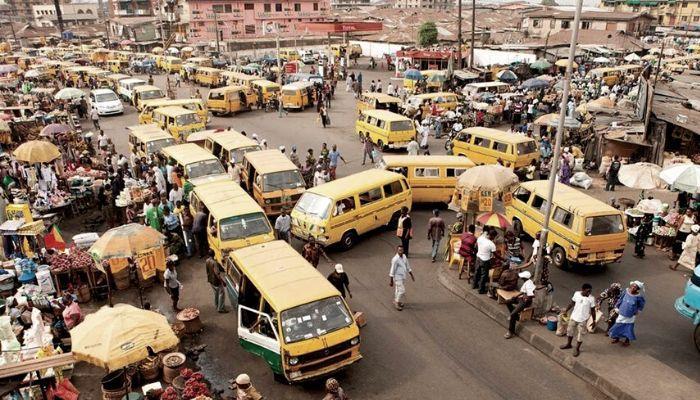
Regardless of ethnic background or tribe, Nigerians have trusted the motor-park system to move people, goods, and services from one location to another. This solution is entrenched in the country’s culture.
The transport industry also has a unique political structure at the local and state levels. They have created a robust network that allows goods to move freely and transporters to make extra income. This has provided a steady yet trusted logistical system.
Currently, there’s a motor park in every state, city, and village. There are also bus drop locations where people can pick up goods and services. This creates logistical nodes across the country.

To make logistics seamless, stakeholders can explore connecting the nodes of motor parks and creating a logistical system that works and lowers the cost of moving goods across Nigeria.
I understand that connecting these motor parks can be challenging because they’re decentralised. Some motor parks are owned by private companies, and others are controlled by the local government. But if we want to improve the movement of goods and services, we should take it seriously.
Once the nodes and routes are connected, stakeholders must develop a system that helps citizens know where to send goods, how their goods will arrive at the location, and even trace the movement of those goods. This is the beginning of visibility and transparency.
Imagine all motor parks connected across Nigeria. Citizens will move goods and services at cheaper rates because there will always be a transport system going to that location, and there is data to find that system and connect them to it.
For people who cannot pick up when the bus arrives, pick-up locations can be created. Citizens can go to the pick-up locations at agreed times to claim their goods. Late pick-ups will also attract a fine.
This logistics system is a beautiful solution because it will benefit the government and the people. The government can collect taxes, and the people can trace and track their goods bringing transparency to the system – one of the foremost concerns with Nigeria’s logistics.
To make this happen, motor parks will be divided into different tiers.
Tier One- Major motor parks in Lagos
Tier Two – Motor parks in smaller cities
Tier Three- Motor parks in villages
Tier Four – Motor parks in places that people hardly ever go.
Once the tiers are created, the next task is to piece those nodes together to form motor-park network.
I understand that one vital question will be who should be responsible for implementing this. Should it be private organizations or the government? I believe that private organizations can partner with the government on this. It cannot be solely performed by either as there are many moving pieces and stakeholders involved.
Read also: T40 secures pre-seed funding to expand logistics, transport business across Africa
The logistics system will benefit all. Private organizations will profit, and the government can generate more revenue.
When this works, it makes logistics competitive. When there is competition, the prices drop, and the cost drops. Imagine sending something from Lagos to Ibadan for N300 or N200. Guess who gains? The end-users.
Small businesses will also benefit from this system as more people will be willing to purchase goods on-line since the price of deliveries has significantly reduced.
This system is also easy to fine-tune because it already exists and is trusted in Nigeria.
Motor parks have played a pivotal role in the distribution of goods and services. It is a central and integral part of Nigeria’s entire logistical system.
I believe it is more suitable to improve on this system instead of insisting on replicating the solutions in the West, as it doesn’t fit into our culture and requires a complete overhaul.