|
Getting your Trinity Audio player ready...
|
The United States and some European countries have agreed to bar some Russian banks from access to the global payment gateway SWIFT as well initiating some sanctions on the Russian Central Bank to deter further advancement by the Russian military into Kyiv, the Ukrainian capital.
This is as intense fighting in the streets of Kyiv and other cities, by Ukraine’s defence forces and civilian volunteers resisted Russia’s invasion for the third day. Outmanned and outgunned, The quick assault and takeover of Ukraine that Russian President Putin was counting on doesn’t seem to be progressing as planned.
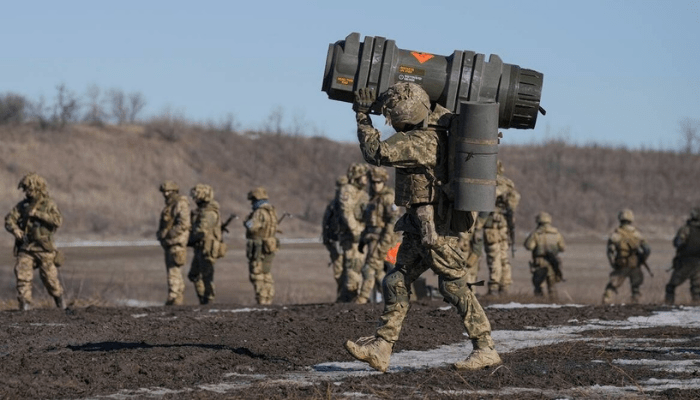
As the battle for the control of the capital rages, international pressure mounting is mounting on Moscow, and support for Kyiv’s besieged government is rising. Countries like Germany and Italy that have often chosen to remain neutral in similar conflicts involving Russia are now facilitating the delivery of weapons and other support to Ukraine.
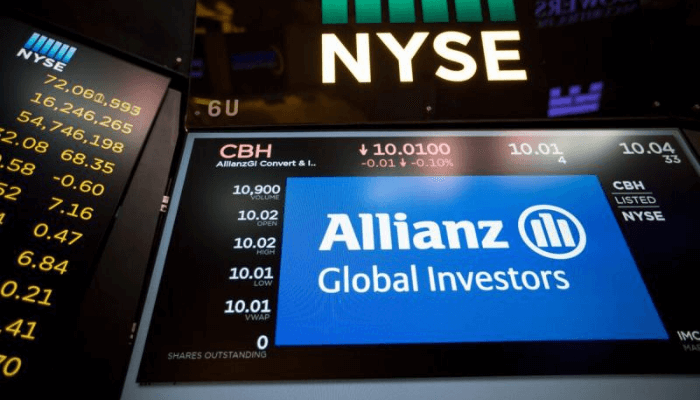
The latest round of sanctions announced on Saturday would remove certain Russian banks from the SWIFT financial messaging system, essentially barring them from international transactions, and impose new restrictions on Russia’s central bank to prevent it from using international reserves to undermine sanctions

The actions, agreed to by the European Commission, Britain, Canada, France, Germany, Italy, and the United States, represented a significant escalation in the effort to impose severe economic costs on Russia for its invasion of Ukraine.
“Russia’s war represents an assault on fundamental international rules and norms that have prevailed since the Second World War, which we are committed to defending,” the countries said in a joint statement. “We will hold Russia to account and collectively ensure that this war is a strategic failure for” President Vladimir V. Putin.
Ursula von der Leyen, the president of the European Commission, said that “cutting banks off will stop them from conducting most of their financial transactions worldwide and effectively block Russian exports and imports.”
She said that the trans-Atlantic coalition would also try to cripple Russia’s central bank, which is flush with hard currency, by freezing its transactions and making it “impossible for the central bank to liquidate assets.”
The countries also took measures to put pressure on Russia’s elites. They said they would limit the sale of so-called golden passports that allow wealthy Russians who are connected to its government to become citizens of Western nations and gain access to their financial systems.

The announcement falls short of a blanket cutoff of Russia from SWIFT, which some officials see as a nuclear option of sorts. Such a move would have essentially severed Russia from much of the global financial system.
The targeted approach also means that Russia, at least for now, will still be able to reap revenue from its gas sales to Germany, Italy, and other European countries.
Until the Russian military attacks began this past week, Germany and Italy had held fast in opposing a blanket ban on transactions with Russia, which would have cut off about 40 percent of the Russian government’s revenue. But in recent days, their posture has begun to change.
The European governments as well as the United States are also targeting assets that belonged to President Putin which is reportedly worth over $100bn which they claim is held by proxies.
Putin’s gambit is failing on the back of the resolute will of the Ukrainian people who seem to be drawing inspiration from their President Volodymyr Zelensky who has rejected offers to flee to safety but remained in the capital city urging his people to fight the invading enemy