The Federal Government’s decision to implement the payment of N10 per litre Excise Duty on all non-alcoholic, carbonated and sweetened beverages may create opportunities for the organic beverage market.
According to consumer goods’ experts, it creates an opportunity for manufacturers of organic beverages to grow their customer base and expand production.
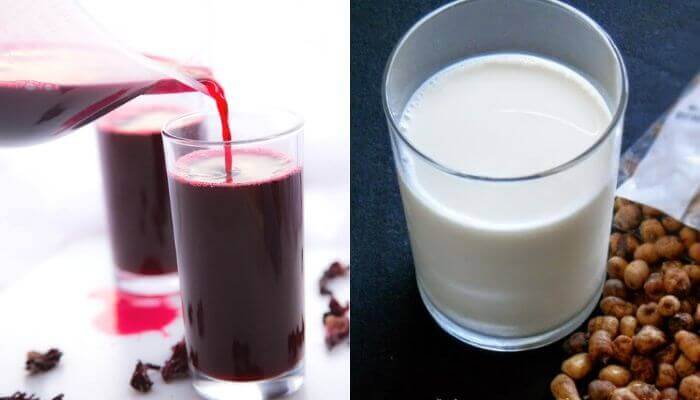
Organic beverages are fresh or processed drinks made by organic methods in farming. It is any drink that does not contain chemicals, additives, fillers, preservatives and sugar. Some examples are Zobo, Kunu, Tigernut and raw fruit juice.
“Those in the carbonated drinks segment might create organic varieties of what they are producing or use organic raw material,” Uchenna Uzo, consumer expert and faculty director at the Lagos Business School, says.

Uzo states that we are likely to see some innovations around looking for alternatives to make it cheaper for them to produce so that the effect of that taxation will be minimised.
As efforts are ongoing to implement the directive, affected manufacturers and the organised private sector try to push for a review and possible retraction of the directive as it could lead to a price increase, thereby affecting their sales and volumes.
Ayorinde Akinloye, a consumer analyst at United Capital plc, notes that the opportunity will be there for organic drinks but it is how producers are able to maximise it to make it profitable for them that will matter.
Read also: Soft drinks tax: Good for revenue, bad for the poor – Rewane
“If they package their products in a way to make it attractive and inform Nigerians about the health and safety concerns, it will help them,” Akinloye says.

According to Zainab Ahmed, Nigeria’s minister of finance, the directive primarily aims to discourage excessive consumption of sugar in beverages, which contributes to a number of health conditions.
A report by Grand View research on the organic beverage industry states that the global organic beverages market size was valued at $20.31 billion in 2018 and projected to expand further at a compound annual growth rate (CAGR) of 13 percent to reach $47.78 billion by 2025.
“Increasing awareness about the health benefits associated with the consumption of organic products is expected to drive demand over the years to come,” the report states.
Likewise, Thread Strategy, a business consulting firm in an article states that there are clear indications that demand in the carbonated sector has slowed down.
Chioma Eze, a producer of Zobo and Tigernut drinks, says the directive may help expand her production, saying, “People will now prefer to buy Zobo for N100, which is cheaper and healthier compared to drinks laced with sugar and unhealthy preservatives.”
Adio Omolayo, another Zobo manufacturer, notes that the process of making organic drinks is simple and seamless, explaining, “I usually buy the ingredients in bulk and only need to go to the market after two weeks, and I sell every day. It is simple to make, the trick is to make it chilled with the right blend of flavour and sweetness.”
However, despite the opportunity for organic beverages to thrive and expand the business, manufacturers note that some challenges may arise such as improving packaging, which will increase production cost, preventing the drink from fermenting due to the use of fruits, adhering to stressful regulatory provisions, etc.
“As the business grows we are obligated to improve our products, this is a step that comes with hurdles of its own,” Eze says.
The Grand View report affirms this, stating that different certification processes and standards for various commodities to transfer the product in the specific region is one of the major restraints to the growth of the market.
“Relatively high prices of organic beverages as compared to regular products are also posing challenges for market growth. However, extensive R&D by major manufacturers to improve the shelf life, texture, flavour, and nutritional value of the products is likely to have a positive impact on market development,” it adds.
Zobo is a popular drink made from Hibiscus leaves in ginger flavour, and because it is home-made and sold locally, it is available in virtually all parts of Nigeria.
Yet there are no regulatory requirements as the purchase is solely dependent on the buyer’s discretion. Also, because it is often packaged in recycled PET bottles, the cost of packaging is low. The same goes with other organic beverages like Tigernut, Fruit Juice and Kunu
Silas Onah, a trader in Oshodi, tells BusinessDay that since soft drinks became N150, he has stopped taking it and would rather have natural beverages like Zobo, which he says helps to detoxify his body.
“It is also cheaper and I can even make it myself, this will help me save money and I do not miss taking drinks filled with sugar and gas that leave me with health issues,” he states.
Although there are opportunities, Abiola Gbemisola, a consumer analyst at FBNQuest does not believe that Nigeria is an organic market, saying, “We have not gotten to that stage of sophistication yet. I don’t see it as an opportunity for the Nigerian consumption market.”