The present global economic crisis is still unraveling. Since its early days of mortgage and broader financial crises, new dimensions keep manifesting. While the effects of the crisis are not fully known, we know enough to conclude that it is going to be severe and that it is the responses taken now that may prevent a huge global recession.
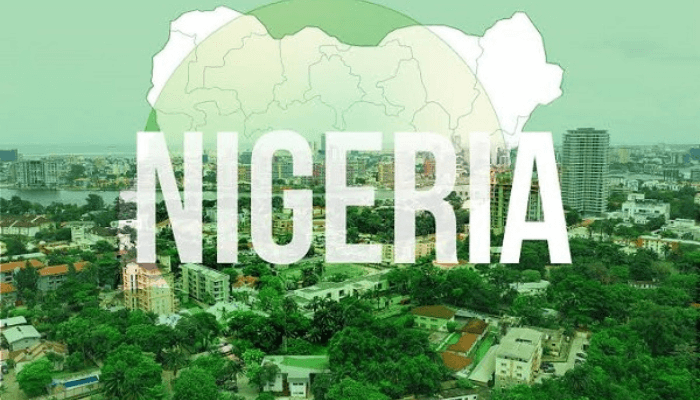
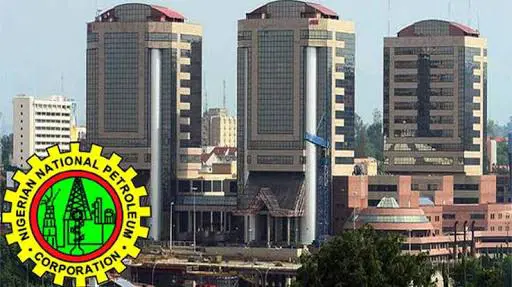
In Nigeria, it took over a year before the global economic crisis started affecting us. It is affecting us in many ways, but the most potent is the continued low oil price regime. The low oil price regime is affecting government revenue, the trade balance, foreign reserves and the exchange rate of the naira.
Because of the potential of the global economic crisisto lead to a major and significant protracted global recession, major economies in the US, Europe and Asia are responding though fiscal means to boost their economies. However, it is becoming unpredictable whether these measures are adequate and whether they will work. Already, global growth prospects for the US and Europe are dim, as they struggle to minimize the extent of economic recession this year.
While growth in Nigeria and Africa is expected to slow, the continued slowdown in major economies suggest the situation may become even worse later in the year as commodity prices remain low and uncertainty persists about the outlook for the major economies in 2009 and 2010. It is instructive that it is the level of uncertainty that is the most worrying for the global economy. It is uncertain how deep and how long the global economic crisis will become.
Read Also: The post-coronavirus global economy and international order (2)

Because of the uncertainty as to how long and how deep the recession will be in major economies, it will require all the economic management skills of those in the presidency, the finance ministry and the Central Bank to ensure that our experience of the global crisis is greatly minimized. This crisis calls for the utmost coordination between the ministry of finance and the central bank and the coordination of fiscal and monetary policies.
The responses by many governments around the globe have demonstrated that no measure is considered too much to prevent economic problems of catastrophic proportions. We think this should be the approach here in Nigeria. While we should guide against the worst, we must prepare ourselves for the worst. If we embark on key and necessary reforms that will best position the economy for the opportunities that exist now and in the future, the Nigerian economy will have been prepared for a sustainable investment and growth climate.
It is expected that the US and Europe will not come out of recession this year. Growth will slow in China and Africa. In Nigeria, growth will slow as well. It is important that growth in Nigeria does not slow lower that five percent so we can maintain the moderate growth rate we have enjoyed since 2003. It is also important that we carry out reforms in the energy and power sectors in order to help facilitate growth now and in the future. It is also important that the quality of government expenditure is improved during this period so as to minimize waste and corruption.
Because we do not know how long and how deep the global economic crisis will be, it is best that we are cautious in our estimation, expectation and thus approach the problem cautiously.