The independent power producer (IPP) landscape in Nigeria is looking up as more projects take shape, with developers’ confidence bolstered by the reforms in the power sector, particularly the recent privatisation of the business of electricity generation and distribution.
With the nation’s electricity requirement being more than four times the current generation level, according to the Ministry of Power, IPPs are seen to play a big role in closing the gap.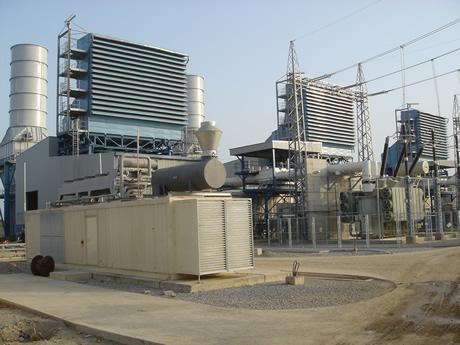
IPPs are privately-financed, green-field generation projects supported by non-recourse or limited-recourse loans, with long-term power purchase agreements with the state utility or other off-taker.
In May, the completion of signing of contracts and financing for the 450 megawatts (MW) Azura-Edo IPP in Edo State was announced by Azura Power Holdings Ltd. The $750 million transaction is the first of a new wave of project-financed green-field IPPs currently being developed in Nigeria.

The financing of the Azura-Edo IPP involves $220 million of equity and $530 million of debt from a consortium of local and international financiers.
Last Friday, the groundbreaking for the 90MW Magboro IPP situated in Magboro, Ogun State, was performed by Chinedu Nebo, minister of power.
The plant, which is being built by Bresson AS Nigeria, is expected to be completed within the next 12 months, with financing secured, as well as gas supply. When completed, the project would be linked to the national grid.
“Apart from the power reforms which have galvanised a lot of private sector participation in the power sector, the Azura project itself has set a standard for IPPs in terms of transaction, financing structure and documentation. Potential investors are, on the back of this transaction, showing keen interest in the IPP space,” said Dolapo Kukoyi, power analyst, and partner at Details Commercial Solicitors, in an email response to BusinessDay questions.
The privatisation of the power sector, he said, had sent out a clear message that there was a huge potential for Nigeria’s power sector and had thrown up issues which were crucial to the development of the sector. The issues, including liquidity of the distribution companies, the need for the retail tariff to be more realistic, and gas supply, would have to be dealt with and the reforms carried out going forward would incentivise more investment in IPPs, said Kukoyi.