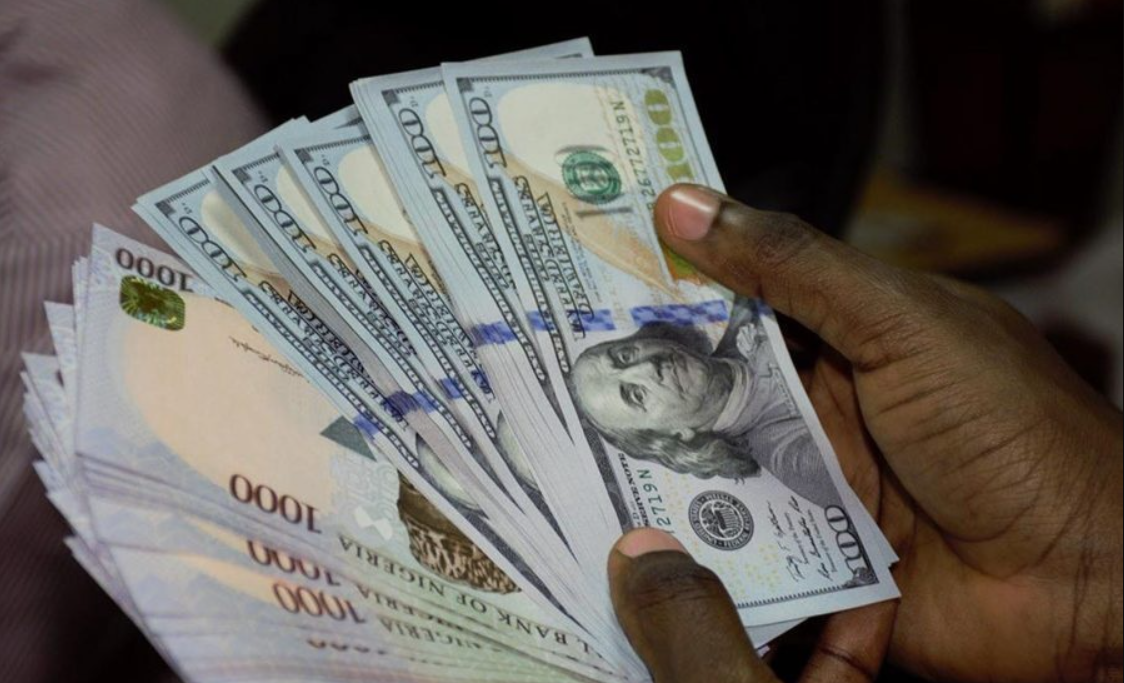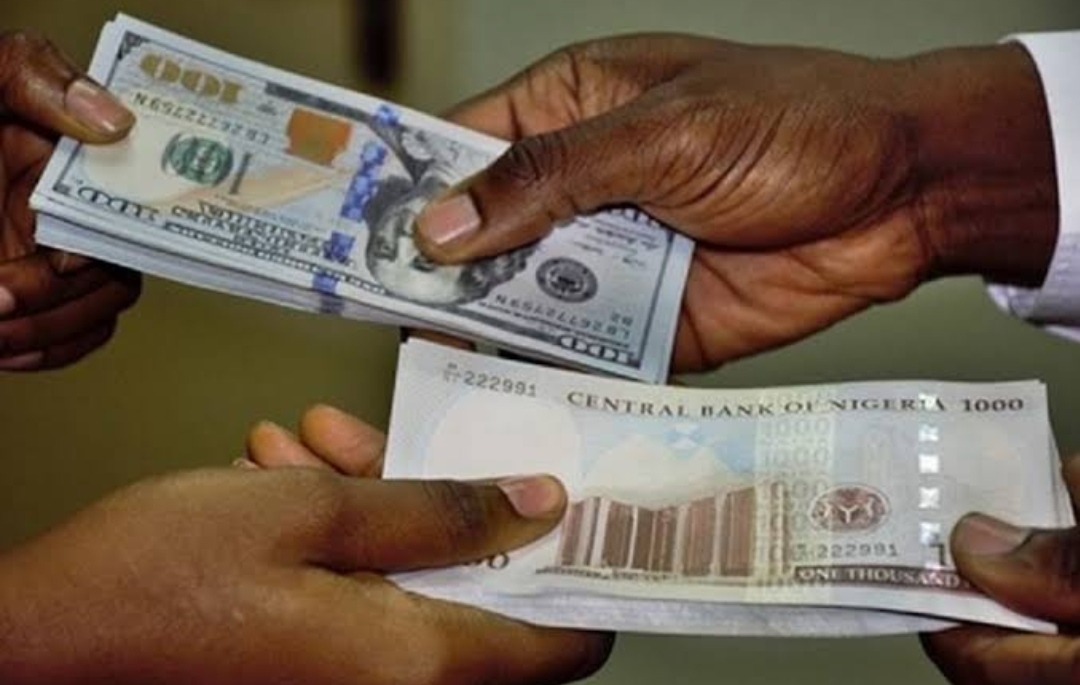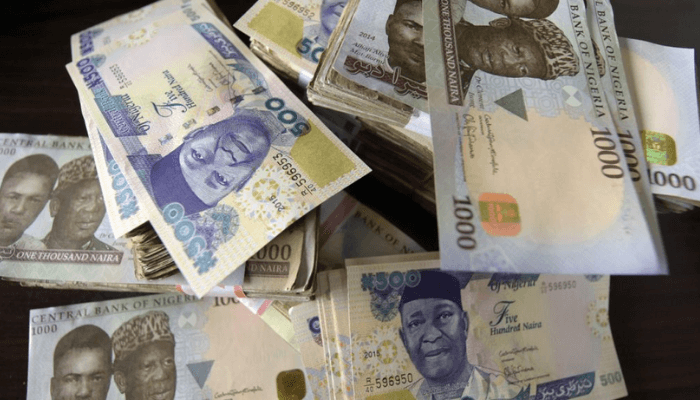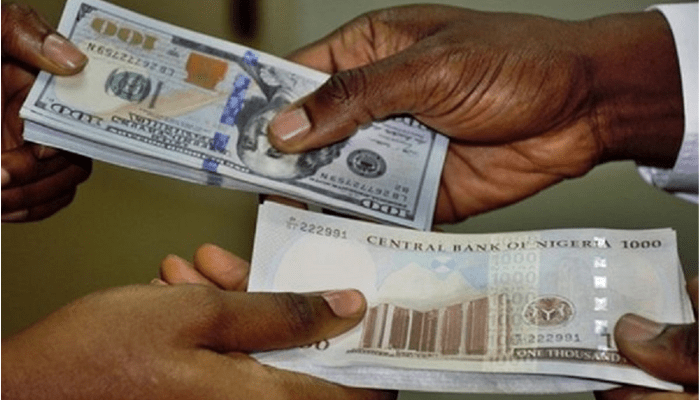
The cost of one dollar is getting to N500 on the black market as Nigeria’s currency on Tuesday weakened by 0.60 percent due to speculation.
Naira/dollar exchange rate was trading at N498 on Tuesday as against N495 traded on Monday at the parallel market.
But in some Lagos locations where the parallel market operators are operating such as Airport, Festac Town and Apapa among others, dollar was sold for between N494 and N496.
Godwin Emefiele, governor of the Central Bank of Nigeria (CBN) had warned speculators causing unnecessary panic in the foreign exchange market, saying they would lose money.

He had criticised the use of the parallel market as the determinant of Naira’s strength, saying that only illegal businesses patronize the black market.
Also, Aminu Gwadabe, president, Association of Bureaux De Change Operators of Nigeria (ABCON) had warned its members and forex speculators putting pressure on the naira exchange rate to stop such activities or risk losing their money.
Naira steadied at N495 per dollar at the Bureau De Change (BDC) segment of the foreign exchange market.
Over 5,000 BDCs across the country received dollar disbursement from the CBN on Tuesday after funding their accounts on Monday. The CBN sells $10,000 twice weekly to BDCs.
At the Investors and Exporters (I&E) forex window or NAFEX, Naira remained unchanged at N412.00 for the second day.

Currency traders who participated at the trading session on Tuesday maintained bids at between N400 and N420.33k per dollar.
The foreign exchange market daily turnover declined by 19.62 percent to $125.44 million on Tuesday from $156.06 million, data from the FMDQ indicated.
At the money market on Tuesday, the Nigerian treasury bills secondary market closed on a flat note, with the average yield across the curve remaining unchanged at 6.10 percent, a report by FSDH research noted.
Average yields across short-term, medium-term, and long-term maturities closed at 3.99 percent, 5.45 percent, and 7.97 percent, respectively.
The Overnight (O/N) rate decreased by 0.33 percent to close at 12.67 percent on Tuesday as against the last close of 13.00 percent on Monday, and the Open Buy Back (OBB) rate decreased by 0.50 percent to close at 12.00 percent from 12.50 percent on the previous day. Money market rates are expected to trend in double digits due to relatively low system liquidity.
In the Open Market Operation (OMO) bills market, the average yield across the curve increased by 7 bps to close at 9.74 percent as against the last close of 9.67 percent. Selling pressure was seen across medium-term and long-term maturities with the average yield rising by 1 basis point and 11 bps, respectively.
However, the average yield across the short-term maturities remained unchanged at 8.76 percent. Yields on 12 bills advanced with the 15-Feb-22 maturity bill recording the highest yield increase of 26 bps, while yields on 11 bills remained unchanged.
The Federal Government of Nigeria bonds secondary market closed on a mildly positive note on Tuesday, as the average bond yield across the curve cleared lower by 1 basis point to close at 9.96 percent from 9.97 percent on the previous day. Average yields across medium tenor and long tenor of the curve declined by 2 bps and 4 bps, respectively. However, the average yield across the short tenor of the curve remained unchanged.
The 26-APR-2049 maturity bond was the best performer with a decline in yield of 15 bps. In the absence of any trigger, the secondary bond market is likely to remain subdued in the short term.