Players in the cement, ceramics, glass and chalk industries, who collectively belong to the non-metallic products sector, were able to lower their unplanned inventories by the second half of 2013 (H2 2013) owing to aggressive sales and improvement in technology, the Manufacturers Association of Nigeria (MAN) data have shown.
Inventory, also called stock, refers to the goods and materials that a business holds for the ultimate purpose of resale (or repair). Within the period under review, inventory fell to N890.23 million in H2 2013, from N9.48 billion recorded in the first half of 2013 (H1 2013). This means that between the two halves of the year, inventory fell by N8.6 billion.
Comparatively, it fell by N15.8 billion year-on-year as the total inventory by the second half of 2012 (H2 2012) was N33.17 billion, said MAN.
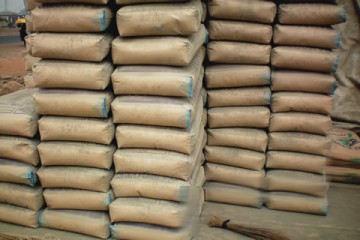

“Number one was the aggressive and increased sales of finished goods, while the other was the improved technology that changed the face of some of the products,’’ said MAN, in its report.
Cement makers who recorded these feats included Dangote Cement, which has remained the market leader; Lafarge Wapco, the United Cement Company of Nigeria (UniCem), Ashaka Cement (AshakaCem), Cement Company of Northern Nigeria (CCNN), Atlas Cement, and BUA.
On the other hand, West African Ceramics Limited has remained a major player in the ceramics sector, while Friggoglass is a notable player in the glass sector. Much of the reason for the feats recorded in the cement sector is attributed to growing construction across the country as well as infrastructure needs. The United Nations estimates that there is 18 million housing deficits in the country, thus providing opportunities for the players.
More so, analysts say the period witnessed decline in cement prices, which led to increased demand by block makers, artisans and construction companies.

ODINAKA ANUDU