A public physician at the College of Medicine, Lagos State University, Bisola Adebayo; and a medical consultant, International Institute of Tropical Agriculture (IITA), Titilade Akinola, have said 38 out of every 100 Nigerians are suffering from high blood pressure (BP) disease.
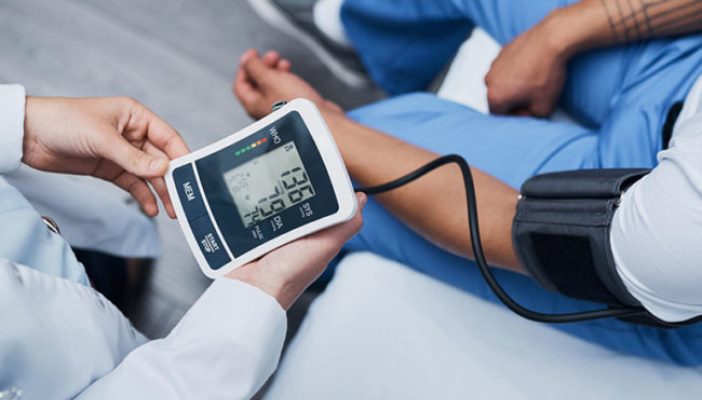
They advised Nigerian women to ensure regular medical check-up to ascertain their health status in order to avert high blood pressure which they described as a ‘silent killer’.
In a webinar titled “Saving women from the silent killer disease: High blood pressure” organised by the Centre for Gender, Women and Children in Sustainable Development (CGWCSD) and coordinated by Adebimpe Adenugba, the health experts advised on annual or bi-annual medical check-up for women to know the state of their health. They pointed out that lifestyle, stress, smoking, and high cholesterol could contribute to high blood pressure.
In her own presentation, Adebayo, who noted that hypertension is a major cause of death worldwide, stated that “up to 42 percent of adult women are hypertensive” advising women to “measure your blood pressure, control it and live longer”.

The expert stressed the need for women experiencing chronic stress arising from emotional, mental and economic and psychological sources to address these stressors to prevent triggering high blood pressure.
According to Akinola, COVID-19 pandemic “brought unprecedented changes including lifestyle changes making people more sedentary, increase weight and obesity, loss of job, which increased Blood pressure”.
She argued that maintaining “healthy lifestyle is crucial for blood pressure maintenance. Regular blood pressure checks are important for adults of 20 years and above.
Women should maintain work-life balance for optimal blood pressure. Lifestyle modification through diet, weight maintenance and exercise are vital for blood pressure regulation. People on anti-hypertensives should continue drugs and regular physician review.”
Olabisi Aina, the executive director of the Centre, stated that a healthy woman would bring about a healthy family and nation. He noted that the goal of the Centre was to see a Nigerian society devoid of gender based discrimination and abuses and, therefore, interested in working with women, girls and youths for sustainable development