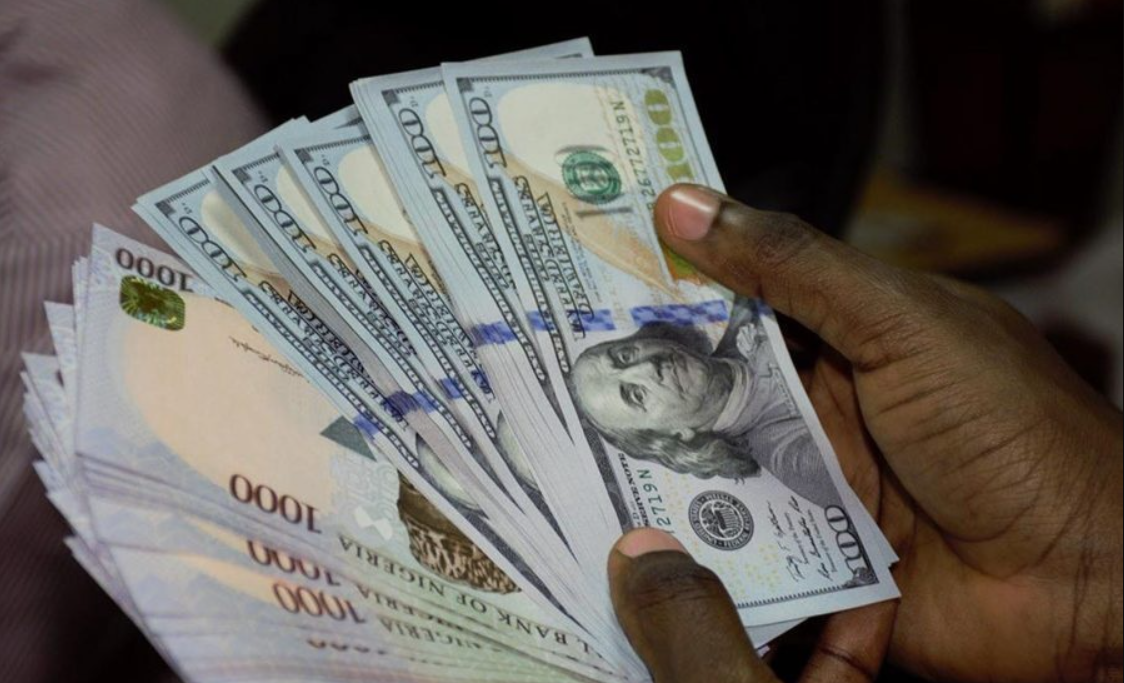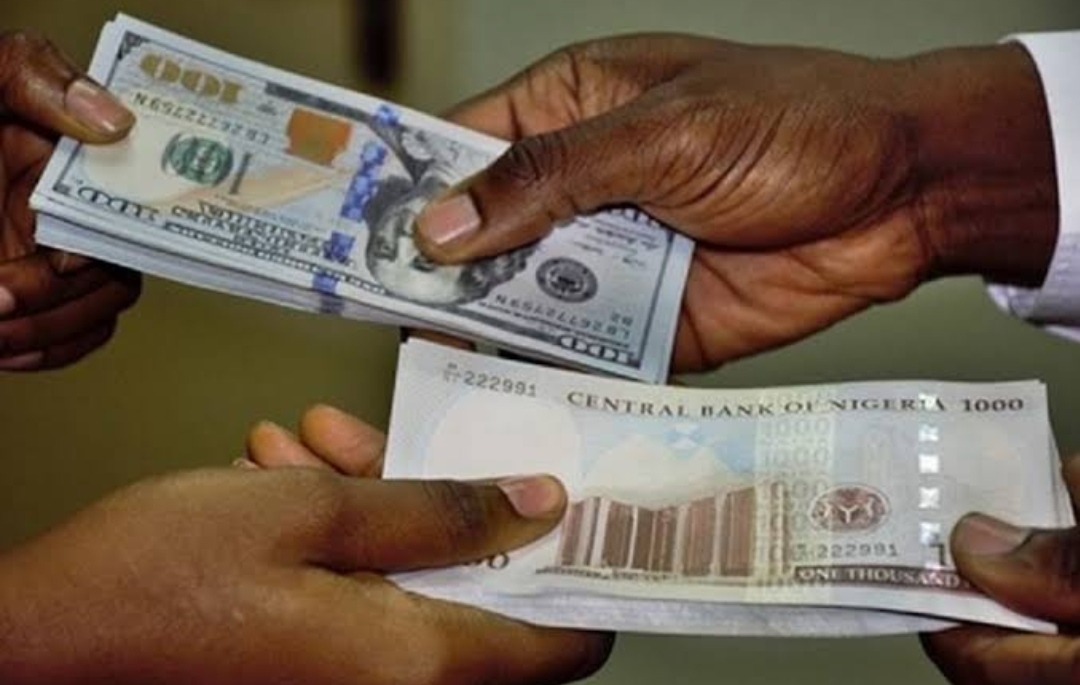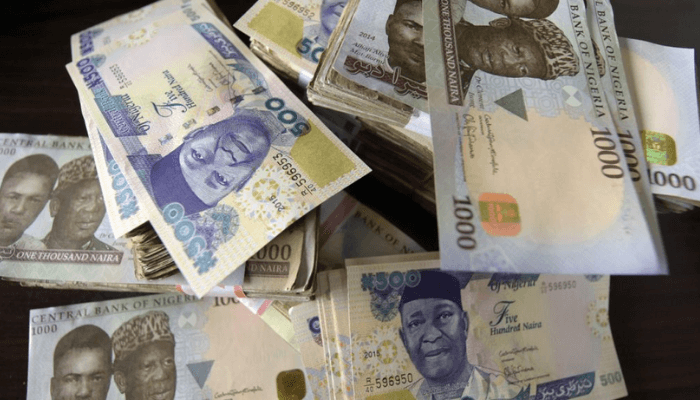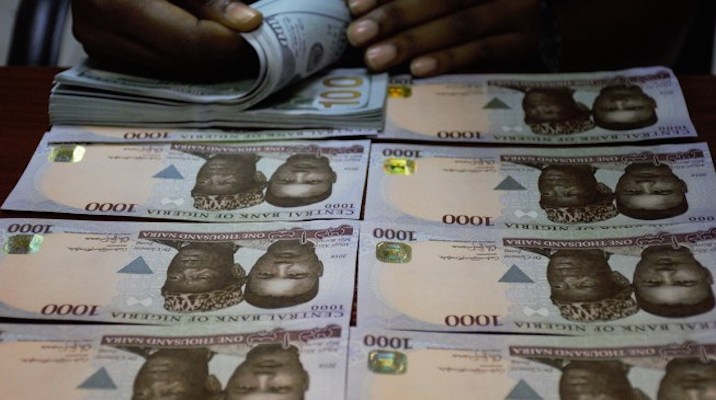
Nigeria’s currency weakened even after authorities threatened to cut the banking services of exporters who fail to repatriate their dollars, reports Bloomberg.
The naira declined more against the dollar than any other African currency on Tuesday in the wake of the central bank’s Jan. 31 deadline for exporters to bring home money made abroad.
The move was aimed at alleviating a scarcity of foreign-currency in Africa’s biggest economy that’s hindering the operations of businesses and deterring investors.
Demand for foreign exchange is just too overwhelming for any additional inflows from exporters to make a difference, said Michael Famoroti, the chief economist for Stears Data in Lagos. “There is still underlining pressure. That’s what the reality is.”

Lower oil prices and an economy reeling from the shock of the coronavirus is causing foreign-currency inflows to dry up in Africa’s largest producer of the commodity.
The central bank is seeking to avoid another devaluation of the naira through a complicated multi-tiered foreign-exchange system, and has also halted foreign-exchange supplies to food and fertilizer imports and ordered lenders to terminate customers who fail to repatriate earnings.
The naira dropped as much as 3.4% to 394.08 per dollar before paring losses to 386 by 5:38 p.m. in Lagos. It was changing hands at 480 on the parallel market, compared with 470 on Jan. 4, according to abokifx.com, a website that collates parallel market data.
Steers Data estimates the naira will depreciate to 430 per dollar on the spot market this year, Famoroti said.
The difference between the unofficial market rate and the spot value encourages companies to skirt official channels when converting currencies so they get more naira to spend locally, said Ayodeji Ebo, an analyst at Greenwich Merchant Bank.