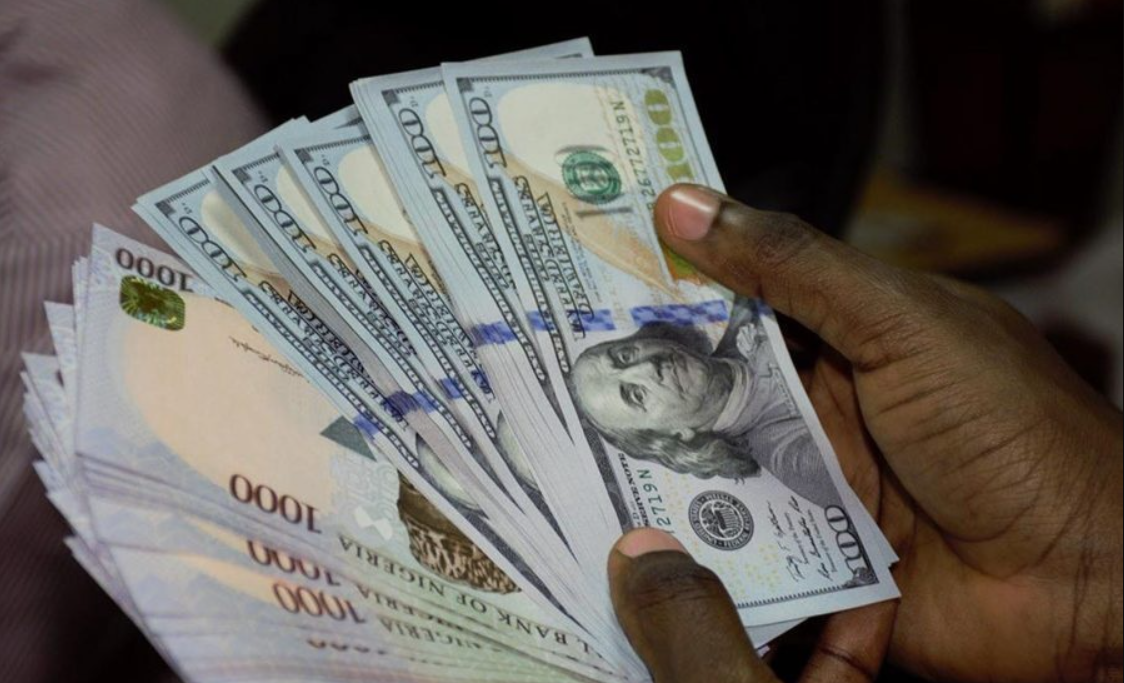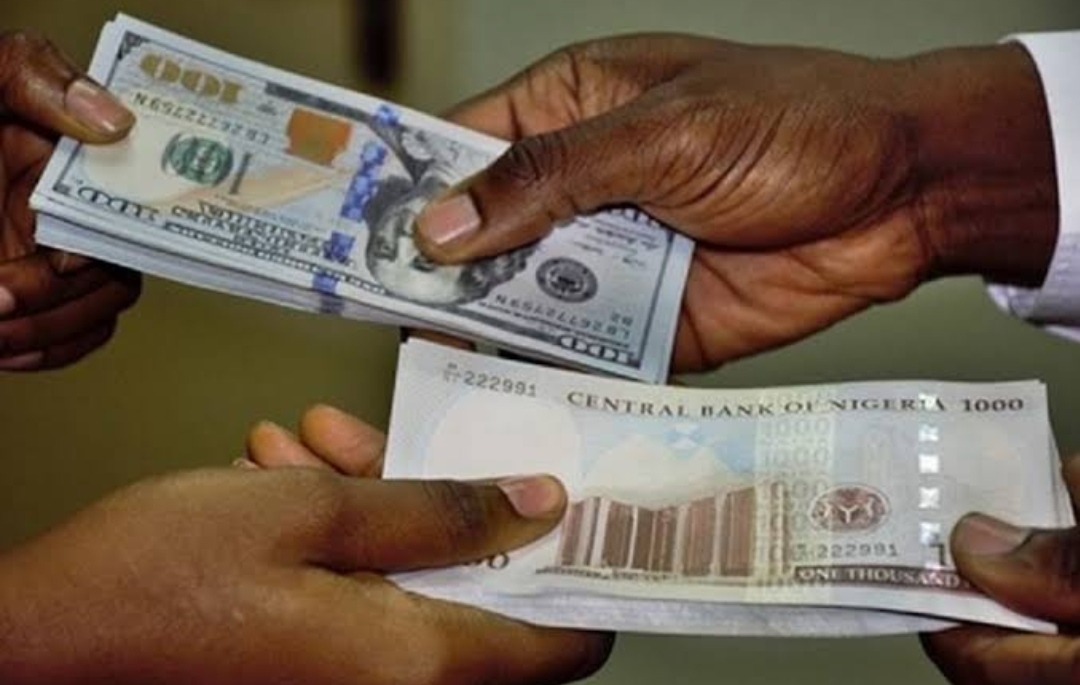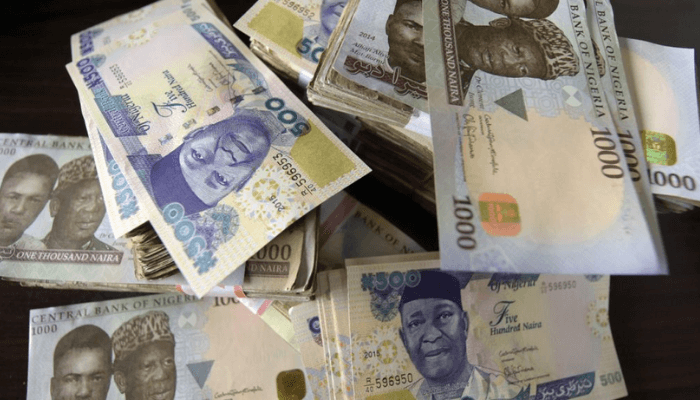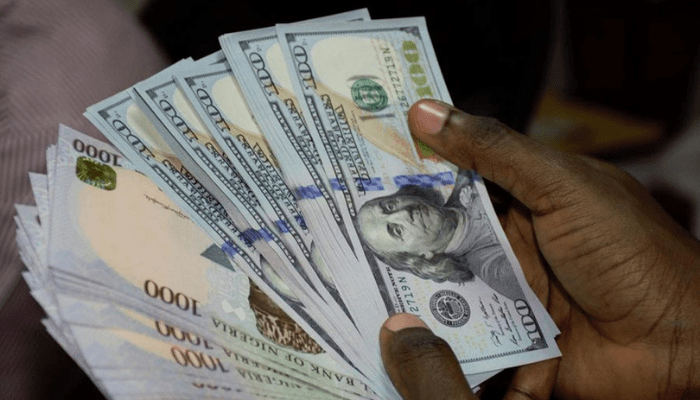
The foreign exchange market on Thursday closed the year 2020 with Nigeria’s currency losing 30.55 percent of its value against the dollar on the parallel market, due to sharp drop in oil prices and low foreign earnings occasioned by Covid-19 pandemic.
Naira closed at N470 per dollar at the end of the year 2020 compared to a stable rate of N360/$, which it stood on the black market since 2019, data from BusinessDay forex monitor showed.
“Exchange rate pressures persisted in response to low foreign exchange supply and rising FX demand as domestic and global travels and economic activities resumed,” Aisha Ahmad, deputy governor in charge of financial system stability said in her personal statement at the last Monetary Policy Committee (MPC) meeting.
At the Investors and Exporters (I&E) forex window, naira depreciated significantly by 4.12 percent as the dollar closed at N410.25k day-on-day compared to N394.00k, which the dollar was quoted on Wednesday, data from FMDQ indicated.

Read also: Naira records 0.98% loss against dollar as demand rises
On a year-on-year basis, naira has weakened by 10.88 percent from N370, which the dollar was quoted since 2019 to N410.25k as at Thursday, December 31, 2020.
“Exchange rate continues to be under significant pressure as the gap between the I&E rate and the BDC rate widened,” said Festus Adenikinju, Adeola, member of the MPC.
The local currency also closed at N470 at the Bureau De Change (BDC) segment of the foreign exchange market, losing 30.55 percent from N360 per dollar stood since 2019.
“Exchange rate was highly pressured and volatile in 2020,” said analysts at FSDH, an arm of FSDH Merchant Bank group.

Nigeria’s external reserves, which give the (CBN) the firepower to defend the naira declined by 20.27 percent to close the year at $35.35 billion compared to $44.34 billion stood in 2019.
The price of Brent crude, which stood at $69.01 per barrel in 2019 dropped by 25.90 percent to end the year at $51.13 per barrel as at Wednesday, December 30, 2020.
In 2020, the Central Bank of Nigeria (CBN) devalued the Naira on three occasions to ameliorate the pressure. The adjustments were also steps to bridge the gap between official and parallel markets rates.
On several occasions, these adjustments, coupled with lower FX inflows extended the gap in both markets, the analysts said.
“Increasing demand for US Dollar, lower Forex inflows and economic uncertainty are key factors that have pressured the exchange rate in Nigeria,” FSDH analysts said.
A report by (FSDH) First Securities Discount House Limited research revealed that total inflow into the I&E Window as at the end of November stood at US$16.645 billion, a 46.32% decline from the corresponding figure in 2019.
In the third quarter of 2020, CBN intervention in the I&E Window stood at US$434.6 million (2020Q1: US$5.37 billion).
Ahmad said the CBN’s Bank’s strategic exchange rate management initiatives including adjusting the exchange rate in response to market fundamentals, eliminating over-invoicing and mispricing of imports into the country via an independent Product Price Verification Mechanism to ensure that quoted prices are validated before Forms M are approved, are expected to help moderate the FX supply – demand imbalance.
These initiatives she said would also help reduce spurious and speculative demand, improve receipts of legitimate FX earnings and attract foreign portfolio investment, thereby stabilizing the exchange rate.
“With the gradual recovery in crude oil prices, currently over US$40 per barrel from low levels of US$20 per barrel in Q1 2020, FX inflows are expected to improve, while other more sustainable sources of FX supply continue to be explored,” she said.