|
Getting your Trinity Audio player ready...
|
For the past year, we have been in the battle against COVID 19. AS there is currently no cure, our best bet at winning this battle is prevention. As we enter the “second wave” of this disease, with daily rising cases of infection, it is important to note the effects COVID 19 can have on our hearts if infected, and even after the infection has cleared.
Basic facts about COVID 19 infection:
It is caused by the COVID 19 virus.
It can be contracted from close contact with people who have it, from droplets that become airborne when someone, who is infected, sneezes or coughs nearby, from touching our mouths, noses or eyes after touching a surface that has the virus on it.
It is not malaria (even though some malaria medicines have been postulated to help in its treatment).
It is not a hoax.
It can be prevented.
Studies have shown that adults of any age with certain underlying medical conditions are at increased risk for severe illness from the virus that causes COVID-19. (Severe illness from COVID-19 is defined as hospitalization, admission to the intensive care unit, intubation or mechanical ventilation, or death). Individuals with these medical conditions should take extra precautions to avoid getting infected with COVID 19, especially as the disease pathway, prognosis and after-effects are yet to be fully understood
These medical conditions include:
Hypertension (high blood pressure)
Liver disease
Diabetes mellitus
Chronic kidney disease
Chronic obstructive pulmonary disease
Heart conditions, such as heart failure, coronary artery disease, or cardiomyopathies
Weakened immune system from any cause
Obesity
Pregnancy
Sickle cell disease
Smoking
Asthma
Cerebrovascular disease (affects blood vessels and blood supply to the brain)
Cystic fibrosis
Cancer
Clinical stages of COVID-19
COVID-19 can be classified primarily into the following stages: Some individuals (those with good immunity as well as younger people) may actually have no symptoms at all or at the very worst just have mild to moderate disease (Stage I) and recover fully.
Stage I (Early infection)
The early infection stage comprises viral response with mild symptoms: Fever, loss of taste and smell, dry cough, diarrhoea, headache.
Stage II (Pulmonary phase)
It indicates host inflammatory response primarily affecting lungs with symptoms such as shortness of breath, difficulty breathing and “air hunger”.
Stage III (Hyperinflammation)
The patient may show features of respiratory distress, shock, and heart failure.
READ ALSO: Covid 19: Expert charges residents to be proactive

COVID 19 and the heart.
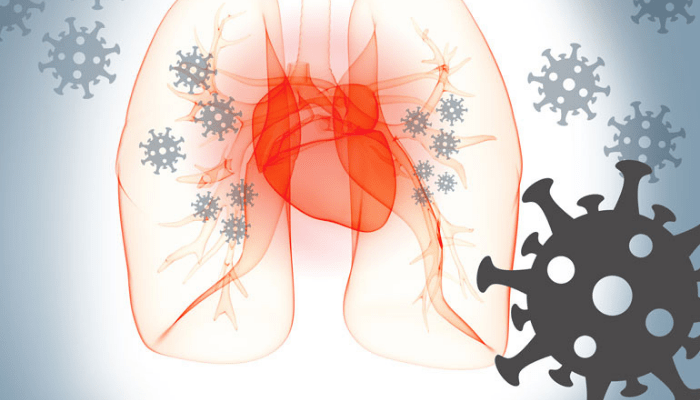
Usually, when the heart is affected in COVID 19 infection, it can lead to severe illness and devastating complications. People with underlying medical conditions are more at risk of developing heart-related COVID complications. The ways COVID can affect the heart are as follows:
Inflammation of the heart muscle and covering (acute myocarditis, acute pericarditis)
Reduced oxygen supply to the heart (myocardial infarction/heart attack)
Direct injury to heart muscle. (Stress-induced cardiomyopathy)
Heart failure.
Abnormal heart beat (Arrhythmias)
Blood clots and its complications: arterial thromboembolism, deep vein thrombosis, intracardiac thrombus, pulmonary embolism, stroke.
A growing number of studies suggest many COVID-19 survivors experience some type of heart damage, even if they didn’t have underlying heart disease and weren’t sick enough to be hospitalized. This latest twist has health care experts worried about a potential increase in heart failure in post covid survivors in the coming months.
What to do to keep yourself and others safe from COVID-19
Maintain at least a 1.5-metre distance between yourself and others; Maintain an even greater distance when indoors. The further away, the better.
Wear a mask when you are around other people. Clean your hands before you put your mask on, as well as before and after you take it off, and after you touch it at any time. Make sure it covers both your nose, mouth and chin. When you take off a mask, store it in a clean plastic bag, and every day either wash it if it’s a fabric mask, or dispose of a medical mask in a trash bin. Do not share masks.
Avoid spaces that are closed, crowded or involve close contact.
Meet people outside. Outdoor gatherings are safer than indoor ones
Avoid crowded or indoor settings
Regularly and thoroughly clean your hands with an alcohol-based hand rub or wash them with soap and water.
Avoid touching your eyes, nose and mouth.
Cover your mouth and nose with your bent elbow or tissue when you cough or sneeze.
Clean and disinfect surfaces frequently especially those which are regularly touched.
What to do if you don’t feel well:
Stay home and self-isolate even if you have minor symptoms such as cough, headache, mild fever, until you recover. Call your health care provider or hotline for advice. If you need to leave your house or have someone near you, wear a medical mask to avoid infecting others.
If you have a fever, cough and difficulty breathing, seek medical attention immediately.
Keep up to date on the latest information from trusted sources and avoid fake news.
Dr Monisola Adanijo FMCP a Cardiologist and the Medical Director at Naveen Healthcare.
With experience spanning over 20 years, she built her pathway in medicine and cardiology working in reputable medical centres such as Mecure Healthcare Limited, Barnes Hospital, Lagos University Teaching Hospital, University College Hospital, Ibadan, Chevron Hospital, Lagos to mention but a few.
Her passion for preventive cardiology led her to convene the Naveen Healthcare 10,000 Hearts Project, in order to help individuals detect, protect and correct cardiovascular diseases.
Skilled in cardiovascular diagnostic procedures and treatment, a fellow of the National Postgraduate Medical College of Nigeria, a member of Nigerian Cardiac Society, American College of Physicians, Hypertension society of Nigeria and an international associate of the American College of Cardiology. She also has a Diploma in Leadership and Management from the University of Washington, USA. She launched the first TeleElectrocardiogram project in Nigeria and West Africa and does her part in contributing to good health and wellbeing, a Sustainable Development Goal (SDG3) of the United Nations.
moni.adanijo@naveenhealthcare.com
www.naveenhealthcare.com
Instagram: https://Instagram.com/moni_adanijo
https://Instagram.com/naveenhealthcare