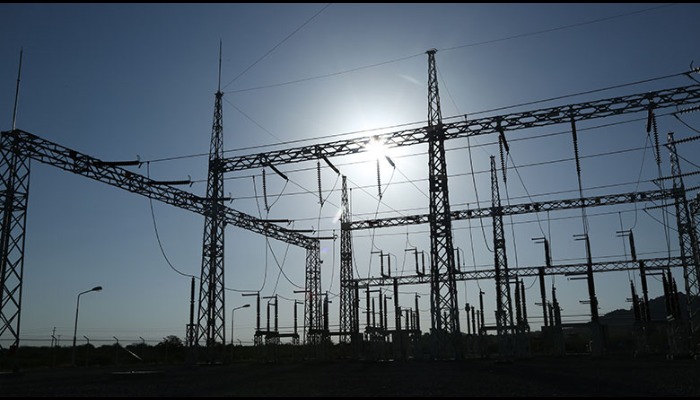
The economic fallout from the coronavirus (Covid-19) pandemic is affecting developments in Nigeria’s power sector to such a degree that some stakeholders are concerned over project risks facing some major contracts in the sector.
This concern has become prevalent among projects and construction practitioners in the Nigerian and West African markets where most developers may need to raise debt to fund construction of the projects.
In Nigeria in particular and Africa at large, a shortage of bankable projects remains a key bottleneck as large infrastructure projects have extensive development periods and often entail multifaceted feasibility studies and expert transaction advice.
“To put it simply, the main concern is – will the lenders be repaid? That is what it comes down to. If a project is going to be bankable, the lenders will need to know that, whatever happens, within reason, they are going to get repaid,” Arun Velusami, partner at United Kingdom-based Hogan Lovells, explained at a two-day virtual session hosted by Hogan Lovells, in partnership with Ghanaian law firm Bentsi-Enchill, Letsa and Ankomah.
The discussion featured stakeholders in the fields of construction, project management, dispute management and dispute resolution who delivered insights on how to navigate contractual agreements within the power sector.
Read Also: FG says inadequate manpower impeding work pace on $1.5bn Lagos-Ibadan rail project

Also, the discussion centred on power sector projects, exploring the best legal practices in the management of power projects and why Nigeria and Africa need to change approaches to power project contracts due to the current situation of Covid-19.
“During the negotiation phase of power projects where the power and concession agreement is being exchanged, one of the areas raised is if Covid-19 should be dealt with as a force majeure event,” Velusami said at the event.
Commenting on dispute resolution clauses in the context of power contracts, Ademola Bamgbose, a dispute resolution expert in the London office at Hogan Lovells, noted, “ispute resolution clauses are often relegated to the end of contractual negotiations; or dismissed as “boilerplate” and given standard wording without any thought as to the context.”
These clauses can have profound implications on how a dispute is resolved and on how the contractual rights and obligations in a power contract are enforced, Bamgbose noted.
He emphasised the importance of robust and clearly drafted dispute resolution clauses as it can be somewhat difficult to get parties to agree on anything after the dispute had arisen.
According to the World Bank, the issue of bankability of infrastructure projects has long been a topic of discussion by the development and investors’ communities and is one of the key bottlenecks in attracting private capital to meet the global infrastructure gap and to provide millions of people with the key services they lack.
Participants in the virtual sessions pointed out that Africa as a continent was able to overcome the Ebola epidemic, where similar issues were raised; therefore, it is necessary that all parties must ensure timelines and costs are aligned with the current event before entering the contract.
The discussion also pointed out that the duration of contracting was now being extended due to barriers to physical travel, which does not make the process as effective during the deliberation stage.

The discussion was organised as part of the Lagos Chamber of Commerce International Arbitration Centre (LACIAC) and the Association for Consulting Engineering in Nigeria (ACEN) Second Regional Training Workshop on Dispute Management in Africa Infrastructure Projects (DIMAP) 2020.
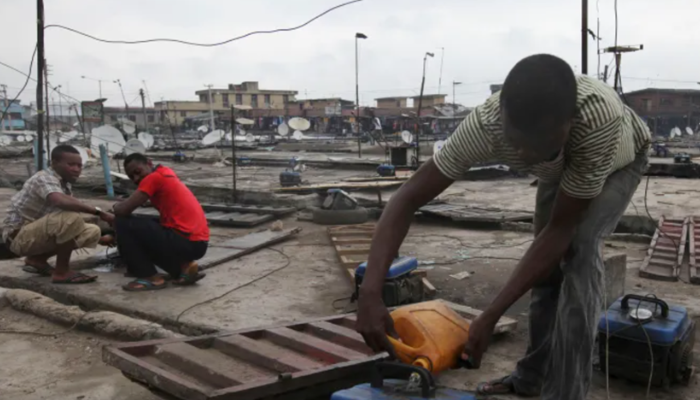
The issues discussed are important because in Nigeria about 47 percent of Nigerians do not have access to grid electricity and those who do, face regular power cuts.
In addition, the economic cost of power shortages in Nigeria is estimated at around $28 billion – equivalent to 2 percent of its Gross Domestic Product.