Nothing may come out of the panels of inquiries set up by different state governments, to address complaints on alleged human rights infractions, including murder by some personnel of the now disbanded Special Anti Robbery Squad (SARS). This is at least if antecedents are anything to go by.
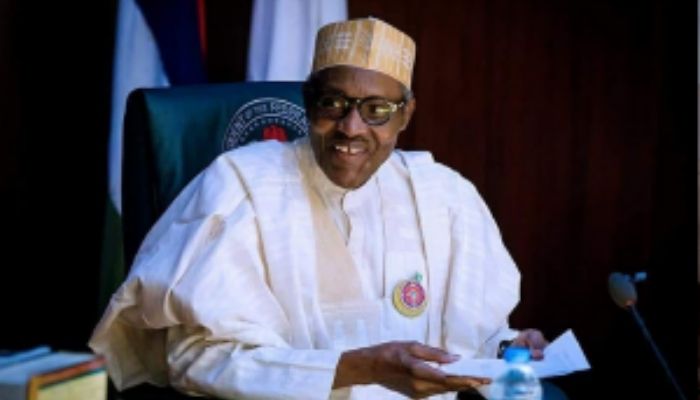
Soldiers have been accused of killing protesters at the Lekki Toll Gate, some police officers were also killed by angry mobs, other individuals lost their lives, many destroyed, and looted businesses may not recover. However, if President Muhammadu Buhari had ensured implementation of findings by a panel set up by his own government in 2018, the events of October 2020 may never have happened.
The Federal Government in 2018 had set up a presidential panel on SARS, with a mandate to receive and treat complaints across the country but two years later and several millions of taxpayers’ money sunk into the exercise, nothing of substance was achieved.
On August 15, 2018, Yemi Osinbajo, who was then Acting President, had requested the National Human Rights Commission (NHRC) to constitute a Panel on the Reform of the Special Anti-Robbery Squad (SARS). This directive had followed public outcry against alleged human rights abuses by officers of SARS across the country.

The NHRC on its website says it inaugurated the panel on 28th August, 2018 with the mandate to “investigate, make recommendations and advice government on the reform of SARS and the Nigeria Police Force (NPF)”. The Panel had three months to accomplish its assignment.
On June 3, 2019, President Muhammadu Buhari in a statehouse press release after receiving the report of that Presidential Panel had directed relevant government organs to meet and implement it. One year and five months later, it has become evident the inquiries at the cost of taxpayers were yet another public display that ended in futility.
While noting that recommendations of the Commission that constituted the Panel are enforceable as decisions of the Court, President Buhari had directed the Inspector General of Police, Solicitor General of the Federation/Permanent Secretary, Federal Ministry of Justice to meet with the Commission to work out modalities for the implementation of the report within 3 months of his pronouncement.
The Panel held sittings across different geopolitical zones in the country, indicted some SARS officers for crimes committed against innocent civilians, made recommendations towards getting some semblance of justice and the President, at least verbally, directed his appointees to work towards implementing those recommendations, but almost a year and half later, none bothered to act.
“After the report there was no implementation of the recommendations that were made,” said Auwal Ibrahim Musa, executive director, Civil Society Legislative Advocacy Centre (CISLAC) in a phone interview. “This is not surprising because many times the President (even) acknowledges the fact that he would give directive and it is not complied with.”

To buttress this, Musa recalled when President Buhari expressed shock after realising a former Inspector General of Police did not relocate to Benue as instructed then to bring the mounting security challenges under control.
“We have a culture for the disrespect of rule of law and policies so it is not surprising that nobody is initiating any actions. The country has a culture of impunity by various government agencies at different levels,” said Musa who is also head of Transparency International, Nigeria.
Tony Ojukwu, executive Secretary of the NHRC has since the recent outbreak of protests against SARS, been trying to revive discourse on the report his commission supervised, but abandoned by those who should have implemented it.
“The Commission has continued to record cases of extra-judicial killings, series of extortion, harassment, and intimidation of innocent citizens by FSARS without much being done to change the status quo, thereby tarnishing the image of the country among the global community,” said Ojukwu in a statement, suggesting nothing has changed even after the series of hearing conducted and revelations made.
The NHRC also recently submitted to the Police Service Commission, the list of SARS officers recommended for different disciplinary actions, hoping it could finally achieve some measure of implementation since its work in 2018.
While President Buhari in 2019 had expressed belief that the report of the Panel and recommendations would help in redressing the grievances of the complainants, ensure accountability on the part of the Police Officers in discharging their responsibilities and facilitate the various Police reforms being introduced by his administration, his government so far failed to match it with required actions.
When several thousands of Nigerians, both old and particularly the young, refused to accept the government’s pledge of police reforms after days of EndSARS protests, their position may have seemed unreasonable to some observers. However, even if the protesters did not know it at the time, the reforms pledged in October 2020 were in fact supposed to have been implemented between June and September last year (2019). The same hearings being conducted now were carried out in 2018 and two years later, there has been nothing to show for it. Even the victims who came out to share their stories in hopes of justice have likely been left more disappointed.
The attempt last month, by desperate Nigerians to take their fate in their own hands by coming out to organise what initially started as peaceful protests, ended up with violent skirmishes that have led to loss of lives and properties worth several billions of Nigeria. The final death toll is yet to be determined and counting the economic cost is also still far from being fully understood.