|
Getting your Trinity Audio player ready...
|
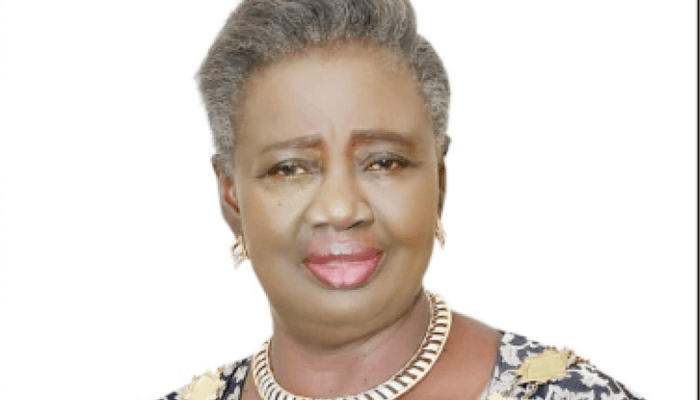
To increase Nigeria’s tax revenue and widen the 6 percent contribution to GDP, the government would need to encourage domestic production and cut down wasteful spending, according to Olajumoke Simplice, president of the Chartered Institute of Taxation of Nigeria (CITN).
According to Simplice, fixing Nigeria’s blackout of over 4,600 hours per year will drive down the cost of production and will give room for a more robust manufacturing sector which will form the required foundation for industrialization.
“Steady power supply in Nigeria will lead to cut down in the cost of production. Even in your house, see how much you buy fuel just to produce electricity, talk less of companies that are doing huge manufacturing,” Simplice said.
For Nigeria to increase its tax revenue through domestic production it would have to encourage manufacturers by first “fixing energy”, the 14th president of CITN told BusinessDay at the investiture of Adeyemi Sanni as the 17th chairman, CITN Lagos District Society in Lagos.

READ ALSO: COVID-19 resurgence threatening oil price, 2021 budget, Finance Minister raises alarm
Despite being home to the largest economy in Africa producing the highest crude oil in the continent, Nigeria has one of the highest blackouts in Africa at 4,600 hours per year. This worse than Ivory Coast’s blackout period of 230 hours/year and Ghana’s 790 hours/year.
“The quick wins in terms of non-oil revenue is taxation and the taxation I am talking about doesn’t necessarily have to do with raising the tax rate but increasing the level of tax administration,” Sanni said.
To generate revenue to fund its 2021 ‘Budget of Economic Recovery and Resilience’, the Federal Government said recently that it plans to increase tax, review tax waivers/concession.
While reading the public presentation of the 2021 budget proposal in October 2020, Zainab Ahmed, Minister of Finance, Budget and National Planning said: “In producing the Finance Bill 2020, we are further reviewing current tax and fiscal laws and consulting widely.”

According to Simplice, the government must understand that 2020 is a difficult year for everybody and then should ameliorate the pain in terms of extending the audit period. “This period government can say no audit, do your failing as expected. The administrator should understand that there is going to be huge losses.”
On the measures government can adopt to increase tax revenue, the new Chairman of CITN, Lagos District said Nigerians want to see tax justice. “If the citizens find out that the money they are paying is effectively used for infrastructure development then a lot of people will ensure they are tax compliant,” Sanni said.
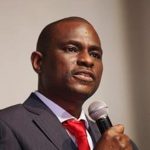
Explaining what the investiture means to him as he is expected to chair the Lagos District of CITN for the next 24 months, Sanni said it will give him the opportunity to serve both the members of the institute and members of the district.
According to him, capacity building for CITN members is one of his top agenda.
“This professional is a dynamic one and for you to remain relevant, you need to be conversant with the relevant provisions of the tax laws and you need to keep up to date with things that are happening as regards taxation in Nigeria and even outside the country,” Sanni said.
As a result, the new chairman said his administration will “put together monthly programs for our member to enhance their knowledge in taxation while also deploying the use of technology in the district operations.”