Public health facilities are components in the implementation of programmes that aim to find missing tuberculosis (TB) patients. Nigeria remains one of the 30 countries globally with the highest burden of the disease.
Nigeria ranks first in Africa with the highest number of undetected cases with over 300,000 missing TB cases, which implies a large potential for continuous transmission of the disease in the country.
Statistics from the United Nations health agency show that every year, around 245,000 Nigerians die from tuberculosis (TB) and about 590,000 new cases occur (of these, around 140,000 are also HIV-positive).
Over the last decade, Nigeria still has struggled with increasing incidences of tuberculosis. Currently, there is no effective vaccine to prevent TB.

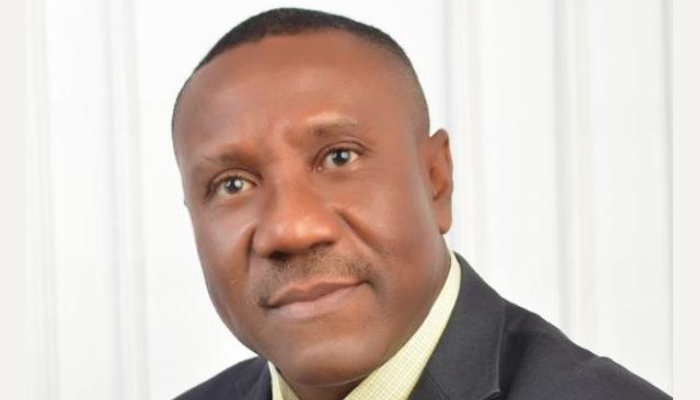
“We are only able to identify 26 percent of the estimated TB cases in Nigeria. And we are able to put them on treatments, but what that means is that we still have an overflow of 74 percent of the estimated cases that are still in the community,” said Itohowo Uko, head of communication and social mobilisation, National Tuberculosis and Leprosy Control Programme (NTBLCP).
Uko said that the issue of myths and misconceptions has actually posed serious challenges about the transmission of the disease and it is actually affecting the health behaviour of people who are in the community. Even the health workers themselves sometimes don’t actually believe in the transmission.
In recent time, Southern Ethiopians have doubled the Tuberculosis (TB) notification rate, along with awareness-raising, stigma reduction, and treatment support activities to help reduce the prevalence of the disease and trace the missing cases.
Nigeria is currently in search of a workable approach. However, further analysis of the Southern Ethiopia and South Africa plan reveals lessons that can plug gaps in Nigeria to help address the over 300,000 undetected/missing TB cases.
However, experts suggest that improving facility-based intervention may lead to the identification of more people with TB who are missed. They say that an intensified case finding (ICF) approach at facility level tends to have high access to patients and these high potential yields.

For ICF to be successful at a facility level there should be a local person for TB screening who can be identified as a champion for each department to take full responsibility for all TB screening in the respective unit.
The Southern Ethiopians implemented a community-based case finding by training health extension workers to identify people with presumptive TB, collect sputum and fix sides, as well as setting up the transportation system. Several recent implementations have shown substantial numbers of additional people treated. However, the notification rates increased from 64 to 127 per 100,000 populations in the first year of intervention.
In South Africa, two studies have shown that low rates of TB screening and testing at health facilities in South Africa, especially at the primary care clinics, contribute significantly to the number of missed TB patients, illustrating the potential for optimised facility-based screening.
One of their findings was done by performing a randomly selected primary healthcare centre (PHC) in a high burden district. The result shows that health system missed 63 – 79 percent people with TB who were seeking care for TB- related symptoms at 90 – 100 percent of those attending a clinic for other reasons.
“Developing and implementing activities is a huge challenge in the science of delivery. Nigeria can learn and apply these strategic approaches by finding missing people with TB in Communities, Finding Missing People with TB by engaging the Private Sector, Intensified TB Case Finding at Facility Level and Chest X-Ray Screening,” said Stephen John, executive director Janna Health Foundation.
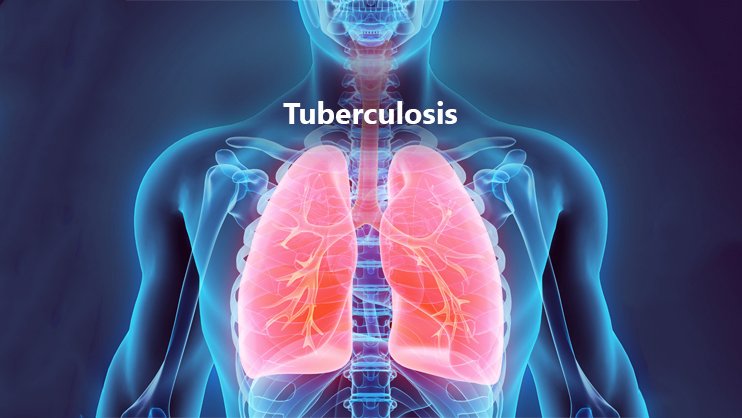
Tuberculosis is an infection disease caused by bacteria known as Mycobacterium tuberculosis; the most frequent symptoms include cough of two weeks or more weight loss, night sweat and loss of appetite.
Uko said that other factors fuelling the disease are discrimination, lack of proper and correct information and stigma and fear of associate been associated with TB have prevented so many people from seeking treatments.
“One case of untreated TB actually affects 15 more people within one year. Nigeria can see what that means for the country to have seen a huge number of TB patients, still in the community, not identified, or treated,” she said.
Nigeria currently needs an additional $167 million to tackle the burden of Tuberculosis (TB), the lead infectious killer in the world and meet the target of ending the epidemic by 2030, experts say.
Mayowa Joel, secretary-general of the Stop TB Partnership Nigeria, recently said that the country actually requires a total of $278 million for TB control, but currently has about 40 percent of the requirement (32 percent from donor agencies and eight percent domestic).
Yahaya Disu, head of risk communication, Nigeria Centre for Disease Control (NCDC) said that since the COVID-19 is changing things, lessons have been learned elegies have been built leverages that being recognised, and then legacies there for us to see how we can use to strengthen our system.
“At all levels, we still need to strengthen our sub-national level and build capacity. We want them to be able to also develop the messaging strategy capacity. We need this communication content to be tied as well as managing misinformation capacity to manage misinformation,” he said.