|
Getting your Trinity Audio player ready...
|
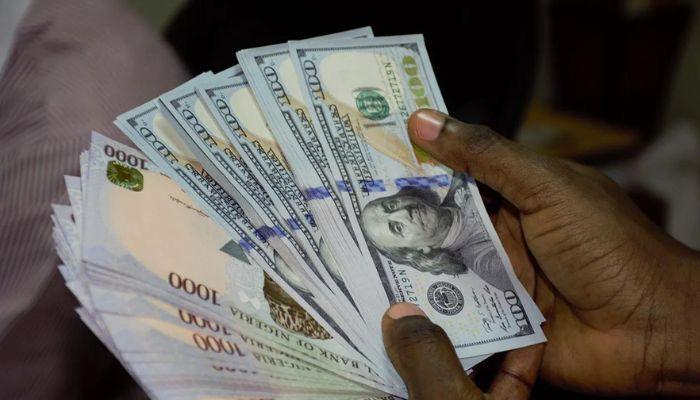
Ada Uche slumped into her chair after speaking with her bankers who had just told her they had no dollars yet for the importer of educational children toys from China.
Uche, 45, had been on a long queue for foreign exchange for two months as Africa’s most populous nation grapples with dollar shortages caused by lower oil prices and declining foreign portfolio inflows.
Before her last attempt at extracting $10,000 from her bank she had heard from a friend within the bank that she wasn’t deemed as an essential importer and that was the reason for the prolonged delay and that even essential importers had to wait on a long queue to get dollars.
This friend however told Uche that things could change after the World Bank disburses a $1.5 billion loan to Nigeria. The money was supposed to boost dollar liquidity, a boon for several SMEs struggling with no access to foreign exchange for critical inputs.

The World Bank loan, which is by no means a lasting solution to Nigeria’s dollar shortages but could have helped pave way for autonomous foreign inflows due to the confidence boost it gives investors, has however suffered a fresh setback.
That’s after the long-awaited meeting of the board of the World Bank to consider the support package for Nigeria, will no longer hold at the August 7 date, as the global lender has yet to be convinced that the government and Central Bank are serious about commitments to put in place credible mechanisms to enhance efficiency in allocation and use of public finance in Africa’s most populous nation.
With the board set to go on recess from August 10 to 25, the earliest another meeting can hold is in October.
Uche and other SMEs will have to wait another painful month to see if Nigeria can get its act together in boosting dollar inflows and they can get the dollars they need for their businesses to continue running.
They could wait even longer if the government doesn’t move on the reforms required to access the loan. That wait could force painful decisions to accelerate culling of badly-needed jobs of Nigerians.

The development is also bad news for manufacturers who need dollars for key inputs and have pending dollar requests sitting with their banks. Foreign portfolio investors whose funds are trapped in the country will now also have to wait longer.
Nigeria’s foreign reserves are under $36 billion but there is probably an FX demand backlog of around $5 billion plus the estimated value of swaps of around $7 billion.
“It means the FX liquidity crisis will worsen,” Muda Yusuf, the director-general of business advocacy group, Lagos Chamber of Commerce and Industry (LCCI) said in reaction to the delayed World Bank loan.
“A lot of manufacturers, retail businesses and service producers can’t get FX at the moment, not even in the nafex window and all of that struggle is partly due to the distortion in pricing,” Yusuf, whose LCCI draws membership from over 2,000 small businesses in the commercial capital of Lagos, said.
“A lot of demand is now flowing to parallel market as a result but the huge premium at that market is causing untold hardship for many.” Yusuf said. “It’s disappointing that the government is dragging on reforms that would help alleviate some of the pain people are facing,” he said.
More details tomorrow…..