Nigeria plans to stem illegal gold exports which could add up to half a billion dollars a year to the country’s dwindling foreign reserves.
The program will regulate production by informal miners that currently provides no income to the state, said Fatima Shinkafi, executive secretary of the Presidential Artisanal Gold Mining Development Initiative.
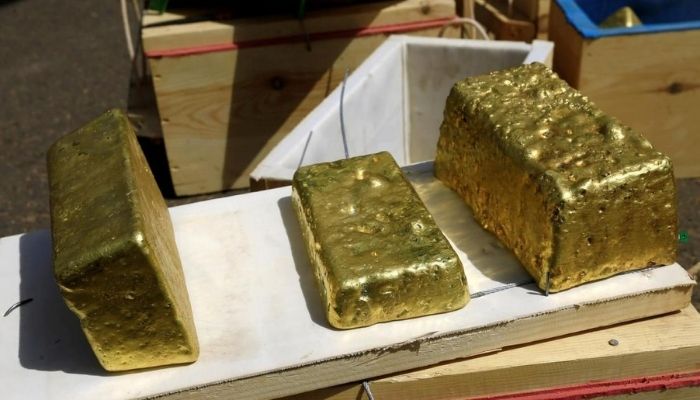
A report by Bloomberg quotes Shinkafi as saying as much as 18 tons of gold leaves Nigeria illegally every year and is shipped to Dubai.
PAGMI’s plan is to shift most of that production, which is extracted by so-called artisanal miners and sold to middlemen, into a supervised supply chain that ends with bullion in a central-bank vault.

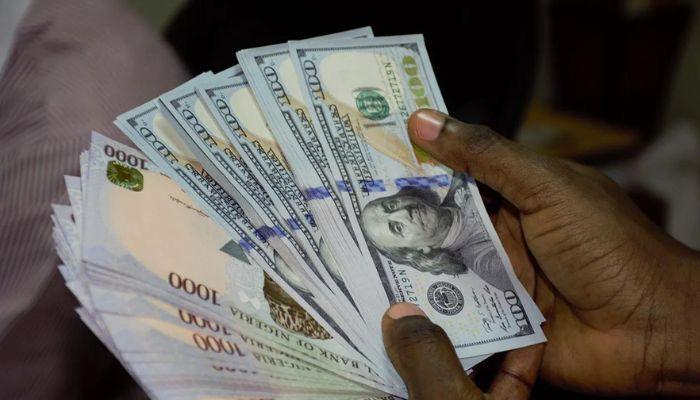
Nigeria’s gross reserves currently stand at $35.9 billion.
READ ALSO; Zamfara to begin gold refining in 3 Months, halts illegal mining
The price of gold has soared in recent months, reaching a record $1,988.40 an ounce on Monday. At current prices, the PAGMI program could add about $500 million to foreign reserves annually, as well as contribute $150 million in taxes, according to Shinkafi.
“That’s a hell of an incentive for a country that is earning mostly from oil and agriculture,” she said.
Regulating artisanal gold will help diversify Nigeria’s economy at a time when lower crude prices are adding pressure on President Muhammadu Buhari’s government to reduce Nigeria’s dependence on oil.

Persuading the informal gold-mining industry to come within the orbit of state oversight would not only generate much-needed tax revenue. It would also allow the central bank to stockpile the metal, according to the presidency.
Oil sales are Nigeria’s main provider of hard currency, accounting for about half of government revenue and 90% of export earnings. Although the price of crude has rebounded and stabilized since a sharp plunge in March, the collapse has forced Buhari’s administration to devalue the naira as a decline in revenue sapped external reserves.