By the time the Central Bank of Nigeria (CBN) concludes on arrangements on the Secured Transaction and National Collateral Registry, the challenge faced by Small and Medium Enterprises (SMEs) in terms of access to funds will be a thing of the past.
The Secured Transaction and National Collateral Registry will facilitate the use of movable assets as collateral for either business or consumer credit.
This will substantially enhance access to credit through the diversification of the scope of eligible assets for collateral purposes.
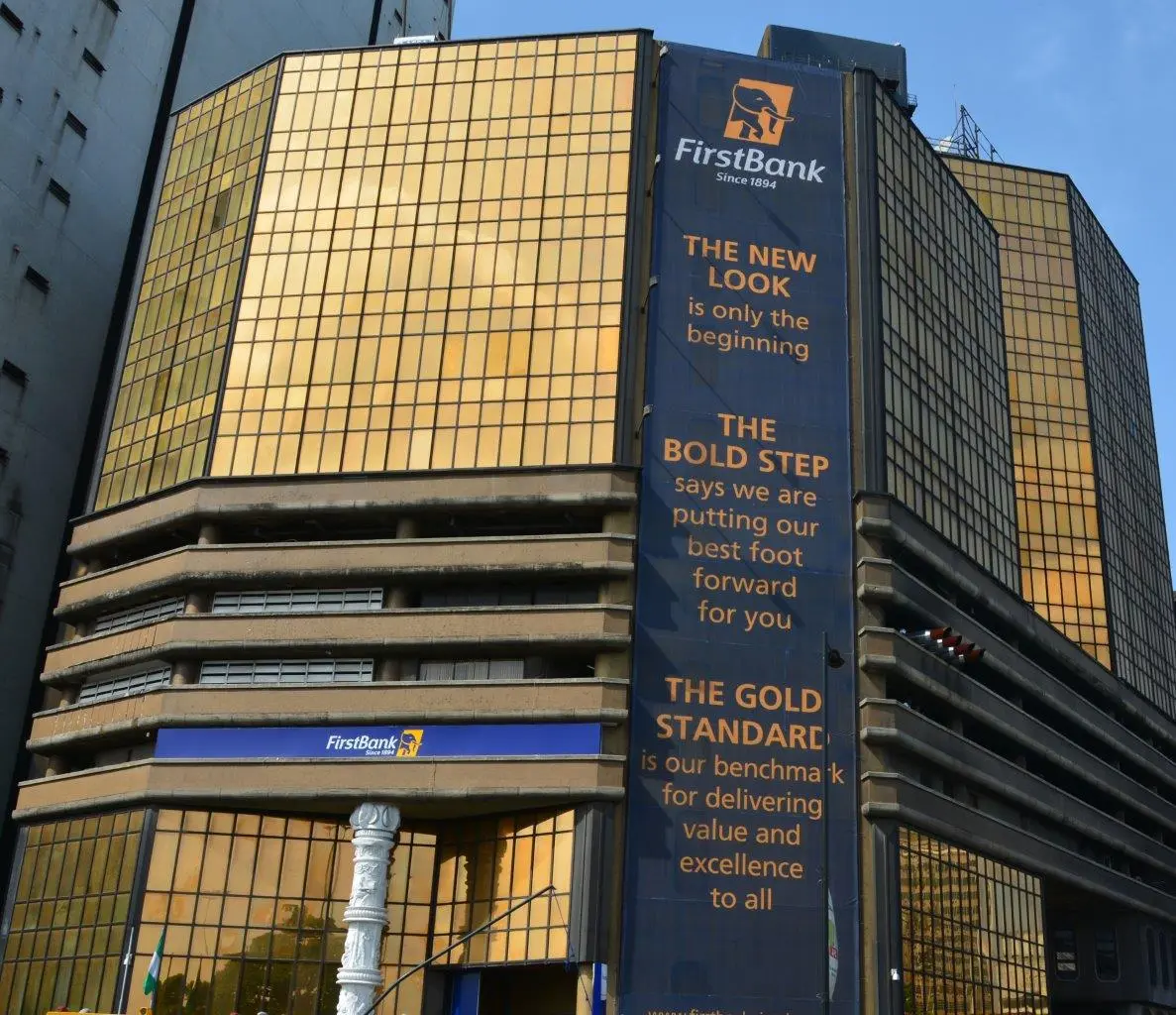
Consequently, banks operating in the country are already taking advantage of the CBN’s initiatives to support SMEs. For instance, First Bank of Nigeria Limited has come up with innovative products to enhance the growth of businesses of SMEs, including psychometric taste for easy access to finance without collateral.

“We want to start giving financial access to SMEs without a need of them providing collaterals. What you need to do is just to pass our psychometric test, and as soon as you have done that, you can actually access as much as you want base on the capacity of your businesses,” Babatunde Lasaki, head, media and external relations, FirstBank, said in a forum.
Representing Folake Ani-Mumuney, head, marketing and corporate communications, FirstBank, he said the bank was consistently innovating to satisfy the needs of its customers, saying “today we have some products we want to tell you about, give you insight into some these products and how they relate to our customers.”
In recognition of the importance of SMEs in the development of the economy, the CBN said it shall continue to collaborate with other stakeholders to evolve initiatives that would facilitate the development of SMEs in 2014/2015.
Other SME initiatives by the CBN include, firstly, the N200 billion SME Restructuring and Refinancing Facility (RRF), which was established to re-finance and restructure banks’ existing loan portfolios to manufacturers at 7 percent per annum. The RRF will continue to impact positively on the real sector.
Secondly, the N200 billion SMEs Credit Guarantee Scheme (SMECGS) was established to encourage banks to lend to productive sectors of the economy, by providing 80 percent guarantee on loans granted by banks to SMEs and manufacturers. The CBN shall sustain the scheme in 2014/2015.

Thirdly, a N220 billion Micro, Small, and Medium Enterprises Development Fund (MSMEDF) was established on August 15, 2013. Disbursement from the Fund, designed to provide wholesale facilities, refinancing and guarantee to MSMEs, will commence in 2014. The Fund will also provide liquidity support to microfinance banks/microfinance institutions for on-lending to MSMEs. 60 percent of the Fund will be devoted to women entrepreneurs.
HOPE MOSES-ASHIKE