When it takes longer than normal to get pregnant, various questions come to your mind. You want to know what the problem is and why you are not conceiving, and so you go through the full diagnostic process, from researching family medical history to physical examinations to hormone tests.
Despite all these, you may not be closer to discovering the reason behind your infertility. If it’s not you, and it’s not your spouse, then what’s keeping you as a couple from getting pregnant? What is really the best way to get pregnant if you’re facing unexplained infertility?
There’s really no straightforward answer to these questions. The plain fact is that if you are living with unexplained infertility, it is advisable that you take an active role in working with a qualified fertility expert along with other health providers to uncover the root causes. Do this with commitment, dedication and hope and before long you would discover that you are ready to conceive. The important thing is to seek the right assistance at the right time, but first, you need to understand what unexplained infertility is about.
There are most probably many causes of infertility but unexplained infertility, which is also known as idiopathic infertility, can best be described as infertility in which the standard testing has not found a cause for the failure to get pregnant.

We know that in up to 10-20 percent of infertile couples, the cause is unexplained. It makes sense because it is not all the causes of infertility that are usually discovered and this is responsible for more couples being classified in the unexplained category.
When the cause of infertility is unknown, improvement of overall health is important. Commonly suggested lifestyle changes include weight loss if overweight, exercise, smoking cessation, reduced alcohol consumption, caffeinated drinks and stress.
Given the shot-in-the-dark or trial and error approach to unexplained infertility treatment, whatever lifestyle changes you and your partner make to improve your overall health for the better can’t hurt and may actually help.
Normally, several processes need to occur in the right order and at the right time before conception can occur perfectly for a woman to get pregnant and have a baby. There are literally hundreds of molecular and biochemical events that have to happen perfectly in order to have a pregnancy develop.
But it is not surprising that standard tests for infertility barely scratch the surface and are really only looking for obvious factors, from blocked tubes, abnormal sperm counts, ovulation problems, etc.

Generally, Assisted Reproductive Technology (ART) has revolutionized the treatment of most common types of male and female infertility.
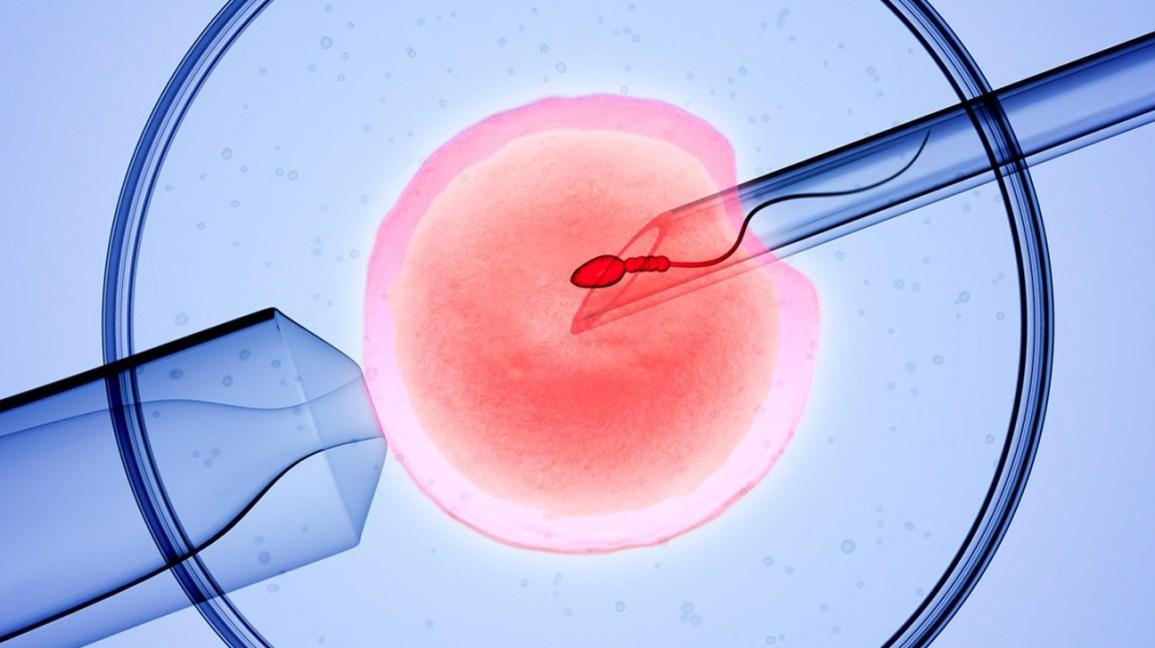
The most commonly utilized form of ART currently available is In vitro Fertilization (IVF) which involves retrieving mature eggs from the woman, fertilizing them with sperm in a dish in a laboratory and implanting the embryos in the uterus 2 to 6 days after fertilization is confirmed.
This technological advancement has given numerous childless couples opportunity to have their own biological children.
Thousands of physicians, psychologists, embryologists, laboratory technicians, nurses and allied health professionals are committed to helping infertile couples achieve pregnancy.
You probably don’t want to hear from your doctor that the first step is to “keep trying on your own” for another six months or so. However, in some cases, it may be a good plan, but this would be only after testing has confirmed your diagnosis as unexplained. It’s not a good idea to keep trying on your own before you’ve both been tested, since some causes of worsen over time.
Typically, when you cannot get pregnant, the first step is fertility testing. Then, once a cause (or causes) is found, appropriate treatment is pursued.
If you’re not ovulating for instance, you may try an ovulation drug such as Clomid. If it is sperm counts that are low, Intrauterine Insemination (IUI) or IVF may be recommended.
But what do you treat when your doctor doesn’t know what’s wrong? Unexplained infertility is treated according to a process. It is based on clinical experience and some guesswork.
The most common treatment map for unexplained infertility involves lifestyle changes like weight loss, quitting smoking and a healthy diet.
You may continue to try on your own (if you’re young and willing) for six months to a year, utilizing fertility drugs and some of the more invasive procedures. Sometimes, in cases of ongoing unexplained infertility beyond basic IVF, somewhat controversial treatments are considered.
When looking at all infertility causes and cases, live birth rates after treatment are just under 50 percent. So you would want to ask if indeed continuing to try the right choice for you.
As always, discuss your options with your doctor. A reproductive specialist in a fertility clinic may be consulted. The first doctor you will see when trying to treat your infertility is your gynecologist who is most likely to prescribe common fertility drugs. Treatment could be combined with Intra-Uterine Insemination (IUI).
If you are confirmed to have unexplained infertility, IUI alone or with fertility drugs has been shown to slightly increase the odds of pregnancy, but when it comes to treating unexplained infertility, IVF has the best odds for pregnancy success.
The pregnancy rates for IVF treatment are higher depending on age, however. Not only is the success rates higher for IVF, but the cause of the
“unexplained” infertility is also sometimes discovered during treatment. Only during IVF can egg quality, the fertilization process, and embryo development be observed closely.
Options are available, but proceeding straight to IVF and skipping IUI is the best choice if you’re aged 38 or older.
Abayomi Ajayi
MD/CEO Nordica Fertility Centre