The coronavirus is an unexpected event no insurance company can pre-empt and insured. The world leaders were caught unaware. What President Trump termed “the China virus” turned out to be a global pandemic. When China was battling with the first set of the virus in Wuhan, some of the world leaders mocked the Chinese approach. The lockdown was called names, and everyone believes China government was too autocratic in its path by violating her people’s right with the restriction of movement.
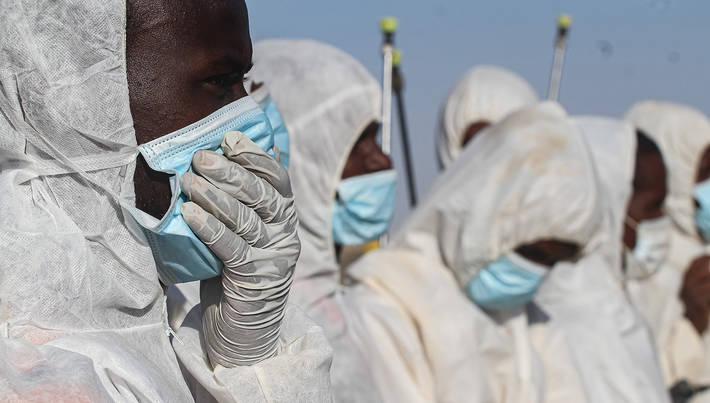
We did not know that the virus was gathering momentum to move around the world without passports or visas and effect massive death and restrictions on all aspect of lives. The super-powers’ (US, UK, Spain, Italy to mention a few) capacities to cater for her people has been tested and found wanting by the unexpected virus. Money has failed. The rich and the poor are now on the same page. Thus, coronavirus is a leveller.
There are lessons to learn as the world battle with the coronavirus, and they are leaderships lessons. Leaders are learners from past and current events. The events and decisions of yesteryears are the bedrock of leaders’ experience and aid in providing informed business and political directions if adequately considered with the current realities. Here are five of the many leadership lessons from COVID-19.
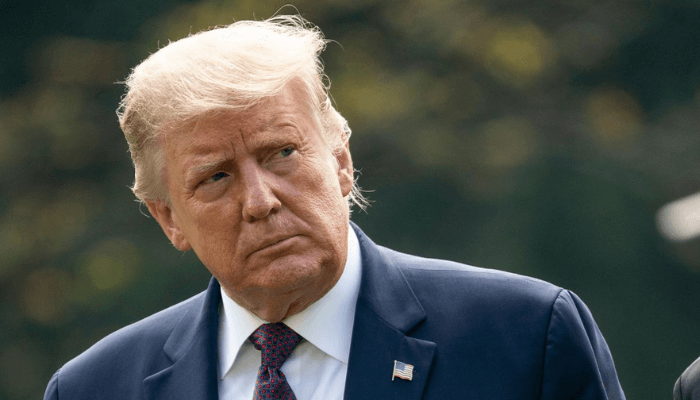
Leaders are decision-makers. Being decisive is an essential attribute of an effective leader. When China first announced her battle with the coronavirus, some world leaders did not see the need to prepare ahead and left their borders porous. The economy was the concern of the US president. The impact of shutting down the economy on his re-election bid overtook his fears for the health of the citizens. Nigeria would have done better if we had closed our borders on time. It was never too late to do the right thing. However, if all the passengers in the March 13th BA and Virgin Atlantic flights have been quarantined, the spread of the virus by those who later tested positive would have been contained. Leaders must be decisive. Being decisive is the stronghold of leadership. Leaders who are not decisive are the one without the full understanding of their role or lack the knowledge of the situation or are afraid of failure from the required decisions.

Read also: Worst recession since 1987 means Buhari’s poverty rollback vow a mirage
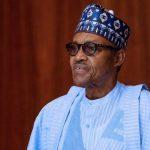
The decision of the President Buhari to extend the lockdown in Lagos, Abuja, and Ogun state for additional 14days is decisive. The president in his speech was caught between saving the lives of over 200 million Nigerians or going for his concerns for the over 42million small businesses that need to operate daily. Going against the experts’ opinion for the lockdown to curtail the spread of the virus was not an option for Buhari. He was decisive in his decision to extend the lockdown and with the additional one million households to be added to the palliative food list.
When leaders are faced with an awkward situation, their ability to quickly weigh the available information and take an absolute position is the strength of their leadership character and effectiveness.
The world is abundant—the abundance of the fund and all other resources needed to deal with the global pandemic. Leaders must think and believe there are resources for them to be able to make impacts. The Nigerian private sector raised a whopping sum of N20billion outside donations of equipment for testing, isolation centres and volunteers. This shows that resources are available before the crisis and what was missing was the innovation that would have tapped into the supplies ahead of the pandemic. Imagine a leader who understood the implications of the low capacity and ratio of health facility per average Nigerians decides to act a few years earlier in partnership with the private sector.
Perhaps the donations coming as the emergency fund would have been raised and facilities that are hitherto lacking would have been available even if not to the number and magnitude required to curb the COVID-19. Abundance thinking will help willing leaders to see no restriction if they desire to change the world and make it a better place. Thinking abundance of desire, resources and capacity allow leaders to take ownership for change, become intuitive and regularly reflect, enhance in-depth and comprehensive collaboration with other stakeholders. Most if not all the business leaders who made sumptuous donations are abundance thinkers in their businesses and private lives. Abundance thinking is a reliable cornerstone of leadership effectiveness.

The link between decisiveness and abundance thinking is responsiveness. Leaders must be leading from the frontline in the time of crisis. It was said that the fastest way to gain leadership is to solve problems. I remember my days as a business manager in the bank. I was faced with the need to raise N1billion within three weeks to manage my balance sheet and end the year on a good form. As I speak to my team and share the N1billion emergency deposit target among my team members, the leading voice in me whispered “you must be in the front and show the example”. Thanks to my abundance mindset. I followed my decisiveness with a responsiveness that creates the N1billion from the first customer I approached. I gain more respect from my team as a leader who goes beyond devising a strategy to the one who walks his talk.
Governor Babajide Sanwo-Olu is an excellent example of leadership responsiveness in this time of Coronavirus in Nigeria. I knew he would succeed as a leader, given the events that brought him into power. First, there is always resistance to every positive upliftment. When his predecessor was opposing him, I knew with the problem he will have no choice than to justify his selection after the election. Second, is the state of the Lagos’ roads immediately he became the governor. Nearly all the roads were in bad shape with heaps of refuses everywhere. That may sound like a problem to someone without the right leadership mindset. Problems are the platforms for leaders to show their effectiveness and gain the trust of the people they lead.
If you do not know Jide Sanwo-Olu, the pandemic has made him more visible because he was responsive to the crisis at hand. He did not delegate his duties but worked as a team member with the health professionals. So far, he has been leading from the frontline showing himself as a leader that is available in time of need and leading by example. He was at his house on the Easter Sunday, and proof to Lagosians that leading is by example not by an exemption. Responsiveness gives meaning to decisiveness, abundance thinking and communication.
According to the recent Chatham House report, an African leader was described as aloof and disengaged from his people and the leadership situation of his country. Leaders who fail to communicate regularly and effectively cannot provide efficient and visible leadership in crisis. Boris Johnson, the British Prime Minister, is leading and communicating with his people. Donald Trump is communicating though I have a lot of reservations with how he does that. Leaders must be accountable to the people. The platform for accountability is communication. Purposeful, positive, and effective communication is required to balance the equation of leadership. There is no time to communicate effectively and positively than in a time of crisis.
In most cases, the communication role should not be done aloof or delegated. The masses have given leadership to the leader and rule of “delegata potestas non potest delegari” should be applied as much as possible. The Lagos team has shown itself as a capable team in communicating their decisiveness, abundance mindset to win the fight against COVID-19 and responsiveness to the Lagosians. The Presidential Task Force team on COVID-19 score high with share responsibility for communication among the team members- Chairman, NCDC, and the relevant ministers.
Without adequate and positive communication, leaders’ responsiveness, abundance, and decisiveness will not have any meaning and give hope to the people. With the interaction of the team in Lagos and Abuja, Nigerians can understand the need for the lockdown and the fact that we will win the race against COVID-19. There is future after coronavirus if we all work together as one big team.
The world has reset itself. There is life after COVID-19. World leaders are rolling out economic stimulus plans to avoid long term recession as a result of the lockdown. What does that tell you? The world is not over yet. Leaders see beyond the present crisis and make plans simultaneously. While leaders give hope in their communications, they cannot afford not to see and know the road ahead. The world is now on the same page with every power-be it super or ordinary power fighting one common enemy. Unfortunately, it is an unseen enemy called the coronavirus.
The COVID-19 will be gone just like the Influenza of 1918. What will stay after the event is how far our leaders have seen and acted during the crisis. While some people will see doom during the crisis, leaders should be seeing what can be adjusted to make life better, what can be changed in the way we work or do things, what legislation is necessary and what foreign relationship is required to rebuild the economy and make life more bearable for the citizens. COVID-19 is a leadership call and journey with its lessons. The lessons are invaluable inputs for leaders and countries that can turn the tides in their favour.
Babs Olugbemi