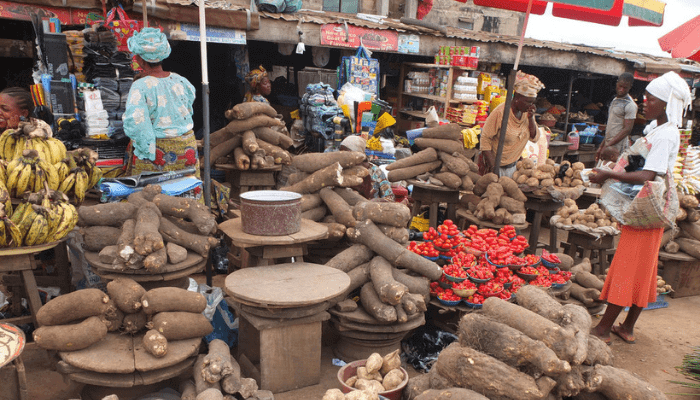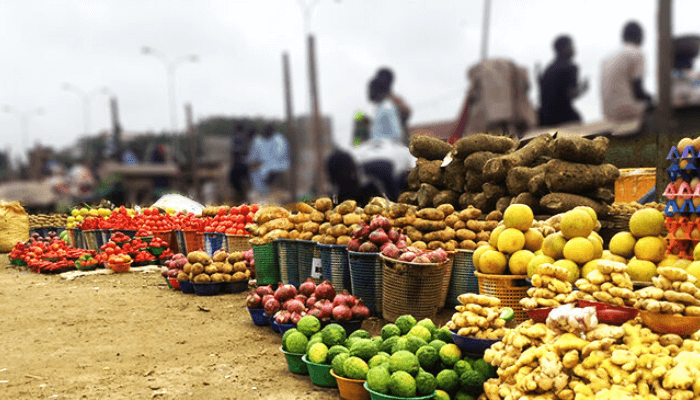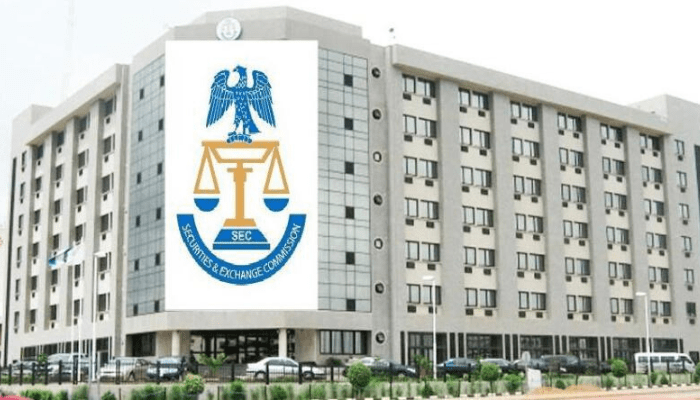
The Securities and Exchange Commission (SEC) is pushing efforts that would enable the commencement of trading of local agriculture produce and solid minerals in the Nigerian capital market.
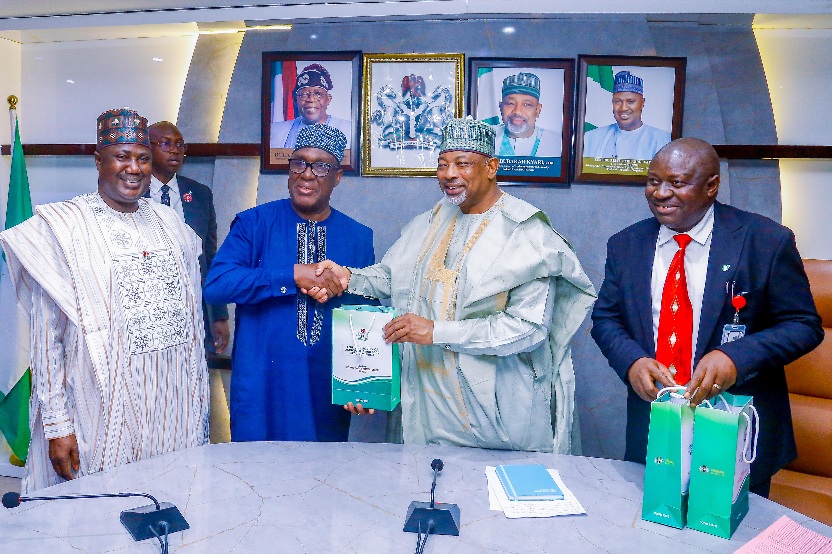
Mary Etuk, Acting Director-General of SEC, said that the capital market has the capacity to unlock better access to credit and finance for the agricultural sector through innovative financing structures and products.
As part of such efforts, SEC would be hosting an International Conference on the Nigerian Commodities Market 2020 with the theme “Commodities Trading Ecosystem: Key to diversifying the Nigerian Economy,” Etuk announced.
Speaking at a press briefing ahead of the event in Abuja on Wednesday, Etuk stressed that agriculture remains an important part of the government’s economic diversification agenda as it holds the potential of delivering on the country’s food security needs, provide jobs and increasing the nation’s foreign exchange earnings.

“Despite the potential of the agriculture sector to deliver on important economic metrics, credit to the sector has remained less than 5 percent of bank lending for the past 10 years severely hampering its development,” she said.
“This is also true for Nigeria’s abundant minerals, especially the solid ones. Many of these minerals are presently dug up on a subsistence basis and sold in markets around the world in a disorderly fashion.”
Speaking further, the DG stressed on the need to develop a structured market for local commodities while providing the required infrastructure for the international market to be exposed to Nigerian commodities.
“It is high time we created a market where these local commodities would be traded in an orderly manner, to the benefit of the Nigerian economy”.
“A structured market for commodities will provide a fairer playing field for local market participants, while providing the required infrastructure for the international market to be exposed to Nigerian commodities. It will also provide price discovery to market participants, producers and consumers alike leading to efficiency and better decision making”.

She added that the three existing commodities exchanges in Nigeria, backed by robust public participation from key stakeholders, notably financiers, donors, public stakeholders’/ government officials, and international commodity exchanges as well as the larger Nigerian retail investment community can unlock a vast amount of capital in the short to medium term.
“These important points and benefits have dictated the Commissions’ decision to host the International Conference on the Nigerian Commodities Market 2020 with the theme “Commodities Trading Ecosystem: Key to diversifying the Nigerian Economy.”
Daisy Ekine, Chairperson, Marketwide technical committee on community trading ecosystem, in her remarks, said that the commodities to be introduced by the committee spread across agriculture, metal, crude oil, and solid mineral.
She further explained that the committee is an off-shoot of the capital market master plan on community ecosystem review, and added that the commission would begin with agriculture produce as the lowest hanging fruit.
“ICNCM2020 will gather relevant stakeholders in the commodities ecosystem to consider the most pertinent issues in growing the ecosystem in Nigeria, with the end goal of creating an enabling environment for the deployment of innovative solutions that improve processes, products, productivity,” she said.