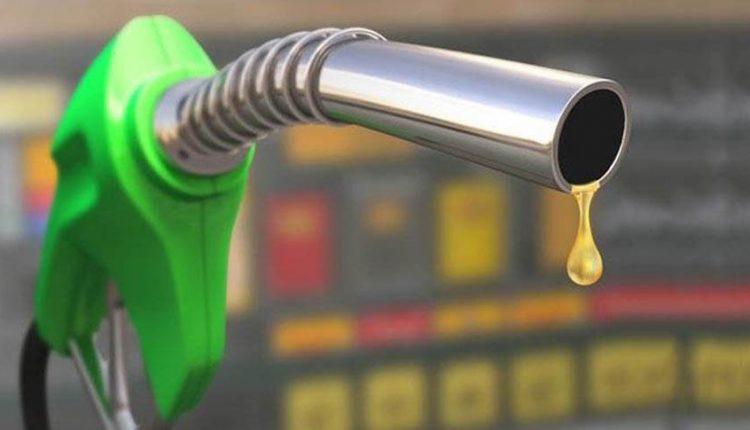
The coronavirus-induced decline in crude oil prices is not all bad news for oil-dependent Nigeria as it presents a window for the government to put an end to wasteful petrol subsidies that costs over a trillion naira yearly.
Since the coronavirus outbreak, which has ravaged over 31 countries, infected some 95,000 people and caused low crude oil demand from China, oil prices have tanked below the federal budget benchmark of $57 per barrel to around $50 per barrel.
Brent crude, the international benchmark, fell less than 1 percent to $50.8 per barrel as at 2pm Thursday, according to Bloomberg data.
Although the global slide in oil prices is bad news for the government, which would lose a sizeable fraction of estimated oil revenue as a result, it also means a thinner petrol subsidy bill at home.

With oil prices down some 22 percent this year alone, the cost of importing petroleum products has dipped, translating into an opportunity for the cash-strapped Federal Government to save billions in potential subsidy payments.
Landing costs fell to a more than two-year low of N142 per litre as at the end of February (using the N360/$ exchange rate) from a peak of N190 per litre at the start of the year, according to official data.
The current landing cost means the Federal Government is not incurring any subsidy on petrol which is priced at N145 per litre at the pump.
That is against using the peak price of N190, where Nigeria paid an extra N45 per litre in subsidies. Annually, Nigeria spends over N1 trillion subsidising petrol. In 2019, that was a third of the government’s total revenue and half of the budget deficit.
Analysts say the reduction in landing costs presents a window for Nigeria to ditch the expensive practice.
“Ideally, lower oil prices should be enough trigger for the government to end the subsidies on petrol,” an independent economist who consults for the government said.
“It was one of the things suggested to the president by the Economic Advisory Council but it’s anyone’s guess if they will listen this time,” the source said.

Analysts say the current administration of President Muhammadu Buhari has had two glorious opportunities to allow markets determine the price of petrol. The government has taken none of those opportunities; afraid it would spark widespread protests and deal a lethal political blow to President Buhari who had promised voters he would bring down petrol prices at the 2015 polls.
The first opportunity came in 2016, when oil prices fell to less than $40 per barrel, combined with unprecedented destruction of oil and gas facilities. Nigeria had the chance to bite the bullet but it dithered.
“If Nigeria ended the fuel subsidy programme in 2016, the pump price of fuel would have seen only a marginal increase as crude oil had fallen,” said Muda Yusuf, director-general of private sector advocacy group, Lagos Chamber of Commerce and Industry (LCCI).
In December 2018, oil prices again sank nearly 35 percent from four-year highs reached in October that year and were at their lowest levels in more than a year.
It was a clear indication that the agreement to cut 1.2 million barrels per day (bpd) from global oil production by the Organisation of Petroleum Exporting Countries (OPEC) and non-members including Russia was not going to lift prices, leaving many oil producers scrambling.
Nigeria did not also take that opportunity to ditch the costly fuel subsidy programme which oil producing countries had begun to do away with as oil prices tanked.
“Taking the opportunity to do it this time while utilising the subsidy money for more impactful investments from public health care to education can be a game changer,” said Ayodeji Ebo, an investment banker and managing director of Afrinvest Securities.
“Rather than take on avoidable costs at a time of waning revenues, the government should be actively courting private capital to fill the gaps in the economy. Private capital won’t come if Nigeria continues to control the price of petrol,” Ebo added.
Despite being the largest oil producer in Africa with some 1.8 million barrels of crude per day, Nigeria has very little refining capacity and imports roughly 90 percent of its fuel, negating much of the benefits oil-producing nations accrue from high crude prices.
Every time oil prices rise, the subsidy bill grows, creating a headache for the government which should be cheering higher government revenue as a result of high oil prices.
Nigerians have grown hooked on cheap petrol and are reluctant to allow the government to ditch the practice.
The last time a government in Nigeria tried to scrap the subsidy altogether, in 2012, it prompted widespread protests.
LOLADE AKINMURELE