|
Getting your Trinity Audio player ready...
|
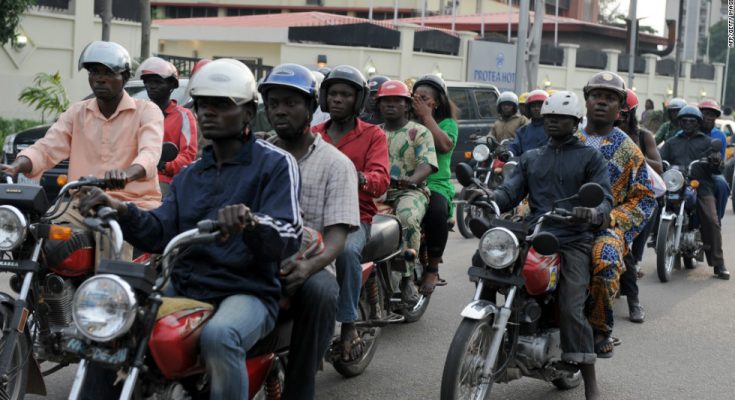
The Okada ban is on my mind today. As you no doubt have heard, Okadas and Kekes have been restricted from certain major roads in four key local government areas in Lagos. The restriction essentially cripples both services as it will be essentially impossible to use them to get around Lagos. The restrictions are problematic to many Lagosians because of the absence of alternatives. For the past week I have seen a lot of photos of people walking around Lagos. Even seen photos of people resorting to using horses. The morale of the story is that the alternatives to the previously ubiquitous Okadas and Kekes are non-existent. So, what are people supposed to do?
The ban is even more curious from the perspective of the bike hailing companies who had made a lot of investments last year with some even reportedly agreeing deals with government on license fees. They seem to have been caught blindsided by this move too. The message from that group seems to be focused not directly on the impact on transportation and logistics in Lagos but on the message it sends to future investors: beware; the rug could be pulled from under your feet before you know what hit you. That concern is valid, and it is what I want to focus on today.
We have all heard the stories of businesspeople who make investments only for overnight policy changes to render their business plans futile and turn their investments to dust. As is commonly joked about in the financial sector, “you are always one circular away from your business shutting down”. But then if you know that your business could be wiped away then why make those investments in the first place. Indeed, that is the situation we find ourselves in where even countries much smaller than us are able to attract more investments. Ghana, with only a fraction of our economy and population, has consistently attracted more foreign direct investment than the whole of Nigeria. So, what do we do about it?
The key question is a simple one if you break it down to the basics. What are the rules and what protects you and your business from government? On this Okada and Keke issue, for instance, are there rules that restrict what government can or cannot do? If the rules have been broken is there a way to seek redress? The answer for both questions is rather unfortunate.

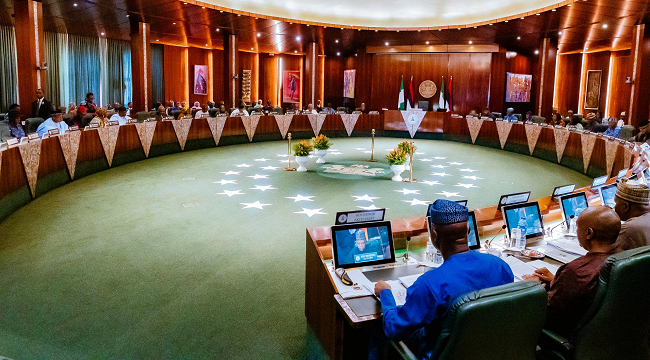
On the rules the constitution is very clear. The government is in charge of all aspects of the economy. According to the constitution any economic activity you partake is done at the pleasure of the government. I am no lawyer, but it seems pretty cut and dry. To paraphrase; “The State shall, within the context of the ideals and objectives for which provisions are made in this Constitution … (b) control the national economy in such a manner as to secure the maximum welfare, freedom, and happiness of every citizen on the basis of social justice and equality of status and opportunity; (c) without prejudice to its right to operate or participate in areas of the economy, other than the major sectors of the economy, manage and operate the major sectors of the economy”. Seems very clear to me. According to the constitution the government has a license to do whatever as far as the economy is concerned. But I must admit I am not a lawyer.
But even if you did decide that the government does not have the rights to take certain actions like unilaterally banning Okadas, where can you go to seek redress? The problems with our judicial system are very clear to everyone. If people wanted to fight to protect their rights through the courts the journey is a very rough one.
So, where does that leave us? It leaves us with the investment landscape we have where everyone knows you have to come in, schmooze with the government in power, and make your money before the government in power leaves and the policy positions change. Sometimes they change even before the government leaves. Unfortunately, the types of investments we need in Nigeria cannot function that way. So wahala dey. Like I keep saying, economies do not function independent of society. Economies are built on the very same rules that govern society. And our current set of rules have plenty problems.
NONSO OBIKILI

Dr. Obikili is chief economist at BusinessDay.