Nigeria is nowhere near what was envisioned 23 years ago in the economic agenda, Vision 2020. A month into the second decade of the 21st century we choose to remain optimistic that Nigeria can still attain its economic potential; however, it must be ready to make difficult choices.
READ ALSO: Data can transform Nigeria’s growing population into blessing – Experts
This week, BusinesssDay, Deloitte and the Nigeria Economic Summit Group (NESG) held conferences on Nigeria’s economic outlook for the year 2020. They all found a middle ground: Nigeria cannot afford to do the same things and expect different results.
For Nigeria to join the train of economies pursuing sustainable and inclusive growth but more importantly, it must understand the models being adopted by economies currently experiencing inclusive growth. It is a sad reality that Nigeria and South-Africa – the two biggest economies in sub-Saharan Africa – dampen the many bright spots on the continent with their lacklustre GDP.

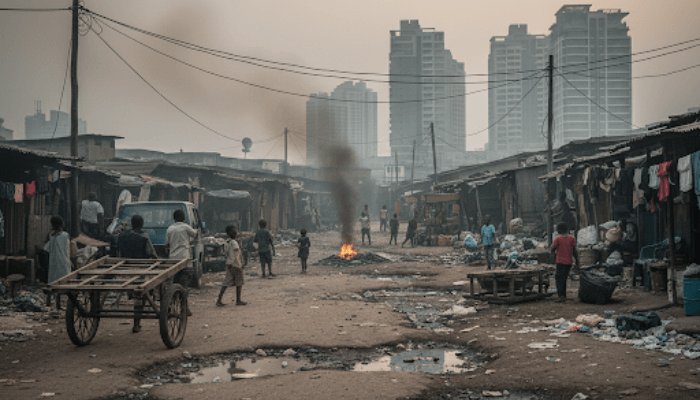
The challenges Nigeria faces revolve around low economic growth, high unemployment and widespread poverty and should top the priorities of the federal government in the new decade. However, economics is the science of means and ends and across the world, economies that have aspired to be successful have placed more emphasis on the means and not the end. What means must Nigeria put in place to achieve this end?
The growth of the economy is as volatile as the crude oil market and has trailed the cycles of ups and downs of its price. During boom times, we saw the economy pickup (as it did between 2005 and 2014 when the price of crude oil coasted comfortably around $100). The bubble burst when oil prices plunged. Our dependence on oil has favoured the country less than it has benefitted her. Hence the need to break up this volatile relationship.
Economies of the world strive on two major pillars; commodity trade and capital – in the form of foreign direct investment (FDI) and foreign portfolio investment (FPI). In the first nine months of last year, Nigeria attracted $666 million ($1 billion when annualised) in FDI – the lowest since 2008 – while FPI “hot money” accounted for 73.4 percent.
A glut in commodity supply has depressed global prices and eroded Africa’s export earnings (especially Nigeria). Some proactive African countries have joined the race of pursuing cheap global capital which is in surplus due to large liquidity injections by the central banks of the US and EU. Nigeria needs to join the race to attract more FDI which is a patient capital that builds factories and roads that will boost production, provide jobs and make the economy grow. Deloitte, a consulting firm, says policy transparency and predictability, financial deepening and inclusion, and reduced regulatory discretion are focus areas needed to boost productivity and growth.
India’s Liberalisation, Privatisation and Globalisation (LPG) model holds a good lesson for Nigeria; a template for the federal government which needs to push bold reforms in security, infrastructure, and investment-friendly policies.

Economists say about 25 percent of capital in the world are in developed countries where yields are negative and if Nigeria could attract a mere 2 percent, the country can unlock most of its growth potential. Also, Nigeria has adequate domestic capital in private hands who only demand a conducive and secure environment to invest. The government has no business in doing business. It must only play a supporting role and let the private sector take the wheel.
Nigeria must also recognise the role of its diaspora and begin to think of private-to-government remittances through diaspora bonds.
The federal government must focus on these areas to unlock prosperity in the new decade.