|
Getting your Trinity Audio player ready...
|
According to Diabetes Association of Nigeria (DAN) estimates, one in every 11 Nigerians has diabetes, and type 2 diabetes is quietly becoming more prevalent because patients are often asymptomatic.
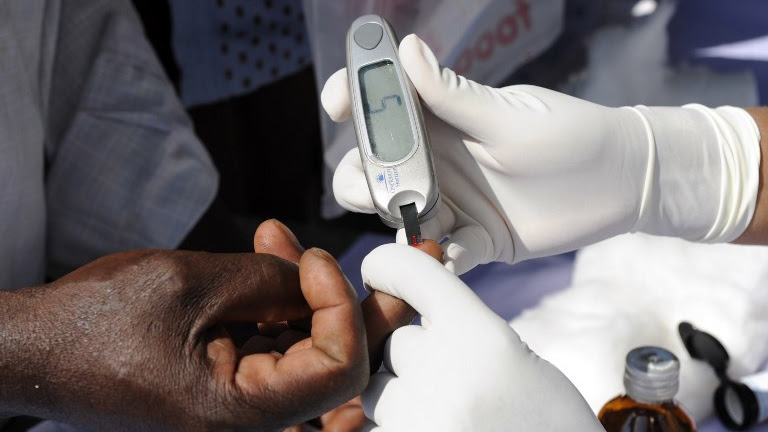
The challenge is that even those who have been diagnosed struggle to check their blood glucose level and that is the part of the problem of continual effort in developing better care for diabetics patients, experts say.
Diabetes is a chronic disease caused by the body’s inability to produce required amounts of insulin – the hormone that regulates blood sugar – or to efficiently use the insulin it produces, according to the World Health Organisation (WHO). These are called type 1 and type 2 diabetes, respectively.
Based on reality, diabetes care is not where it should be in Nigeria, as too many people are dying of the disease.

The good news, however, is that early diagnosis of diabetes generally increases the chances for successful treatment, while if not well controlled, diabetes may cause blindness, kidney failure and lead to limb amputation, in addition to other long-term consequences.
Afokoghene Rita Isiavwe, consultant endocrinologist and medical director of Rainbow Specialist Medical Lekki, Lagos, says delays in presentation oftentimes lead to amputations as a means of saving the person’s life, or even death. Diabetes mellitus is the leading cause of non-traumatic lower limb amputation worldwide, including in Nigeria.
“If you live with diabetes, form the habit of inspecting your feet regularly, and even more if you already have reduced sensation or poor blood flow on your feet. Seek medical advice promptly if you notice any change in colour of your feet or blisters or wound. Do not delay,” she advises.
Living with a chronic condition also means that patients need to manage the disease themselves between their regular doctor appointments, which represent the majority of the time. However, fear of the outcome of diagnosis, religious beliefs, financial constraints and low awareness of diabetes signs, symptoms and facilities are some of the reasons for the delay in diagnosis.
Experts say education and screening are major components of early detection and people need to adopt better lifestyle choices to reduce the prevalence of diabetes in Nigeria.

According to Ebun Bamgboye, consultant physician and nephrologists/clinical director at St. Nicholas Hospital, Lagos, who recently spoke about the burden of diabetes, its related issues and how it can be tackled with proper diagnosis and prevention on Doctors on Air on Wednesday on Classic FM 97.3 hosted by Pamela Jackson-Ajayi, founder and managing director, Synlab Nigeria, says only about 50 percent of those who have diabetes are aware they have it, noting that every diabetic that is diagnosed, there is one going around the society not realising that he or she has this relatively dangerous illness.
“What is more, the fright is that there are a certain group of people who works in banks, oil company and other jobs that generally have the sedentary type of lifestyle that because of relative affluence are able to eat more and eat the wrong things.
“Obesity has increased in the society. So, among such group of people is found to be almost 30 percent diabetic, and almost one out of every one of them at some stage are found diabetic,” Bamgboye states.
To effectively combat the growing diabetes epidemic, experts say that patients must go eating less sugar, do more exercise, and remember to take their medications.
Patients, physicians, and the healthcare system all play important roles in making diabetes management more effective. Meanwhile, there is need for adequate or effective control measures to curtail the disease, adequate funding to enhance early detection and treatment.
“Management of diabetes and its complications could be very expensive, especially when complications such as diabetes foot set in. The burden could be greatly prevented through awareness and enlightenment of the public,” says Adeyemi Johnson, a cardiologist and vascular specialist, founder and managing director of First Cardiology Consultants.
Shoyingbe Adetola, a diabetes expert, notes that screening is very important, but notes that when people are diagnosed with diabetes the functionality of the bitter cells is already reduced by 50 percent.
“Screening will help to know if one is pre-diabetic and there is a way to reduce the progression to over diabetes, as those with a family history are at high risk of developing the disease.
“If your fasting blood sugar is above 100, but below a 127, we say you have pre-diabetes and if your value is greater than 127, then you are diabetic. It is important people know their numbers and do blood sugar level regularly,” he states.
ANTHONIA OBOKOH