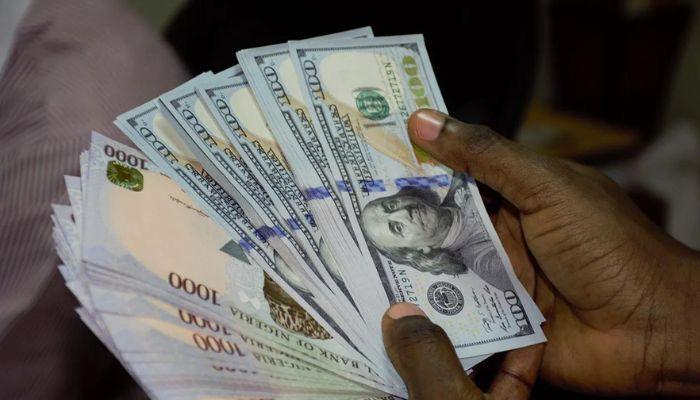
Global rating agency, Fitch, late Thursday revised its outlook for the Nigerian economy to negative and affirmed the rating at B+.
The US-based credit rating agency said the downward revision was as a result of Nigeria’s increasing vulnerability from its current macro policy setting, rising risk of disruptive macroeconomic adjustment in the medium term amid continued real appreciation of the naira.
Fitch noted that under Nigeria’s current economic framework, a sharp devaluation of the exchange rate would stoke macroeconomic volatility and significantly weaken some of the country’s key credit metrics, including its gross domestic product per capital in dollars and its share in world GDP.
The downward revision of the Nigeria’s economy by Fitch, is coming few weeks after, by Moody’s did same, by downgrading its outlook for Nigeria from stable to negative.

Fitch said also the substantial appreciation of the naira over the last years is uncorrelated with macroeconomic fundamentals and is set to continue, driven by high inflation.
“Nigeria’s commodity terms of trade have deteriorated and we expect it to decline further, weighed down by lower oil prices,” Fitch said.
Read Also: Moody’s hammers Nigeria, changes outlook to negative
Moody’s said then that the change of outlook to negative for Nigeria was due to increasing fragility of the country’s public finances and sluggish growth prospects.
Moody’s explained that the increasing fragility of Nigeria’s public finances was evident in the high reliance by the government on financing from the central bank over the last three years to cover persistently large fiscal deficits, with the central bank’s cash advances reaching 2.5 percent of GDP on a net basis at the end of September 2019. This the rating agency said was in addition to government debt instruments held by the Central Bank of Nigeria worth 1.4 percent of GDP.

Analysts say the negative outlook for Nigeria from two of the world’s biggest rating agencies would affect the country’s risk profile by making investors request for higher interest rates to pack their money into Nigeria’s financial instrument.
“It can also make our foreign borrowings more expensive and worsen portfolio outflows,” Gbolahan Ologunro, an equity researcher at CSL Stockbroker said.