



Industry regulator, the National Insurance Commission (NAICOM), is set to come hard on insurance operators over ‘hidden’ charges in transactions with their publics that are not recognised by law.
The charges, which are neither brokerage fees for insurance brokers nor commission for agents, it is said, undermine the business value of insurance and risk management.
Besides, it is resulting in high operational and business acquisition cost on the side of underwriting firms, leading to weak bottom lines, as well as erosion of shareholder value.
One of the hidden charges which the commission would be fighting to stop is overriding commission to brokers.

Overriding commission is a fee or percentage of money which is paid by the insurer or underwriting firm to brokers or agents to secure an insurance contract for premium. And because insurance brokers who eventually benefit from this overriding commission control a larger share of the market, put at over 70 percent, it has become like a price you must pay for patronage, fuelling an unhealthy competition among underwriting firms.
“We are not going to allow such unethical practice to continue in the industry. We are not going to tolerate charges that are not recognised by law. What is recognised by law is insurance commission for brokers and for agents, and anything outside what the law recognises, we are not going to accept, and that we have made very clear,” said Fola Daniel, commissioner for insurance, in an exclusive interview with BusinessDay.
On the policy direction of the commission in 2014, Daniel said NAICOM would be more stringent because the commission’s focus this year is consumer protection.
“Primarily, the responsibility of NAICOM is to protect the policyholders and we are going to be stricter about customer protection. We are going to have zero tolerance for delay or non-payment of claims,” he said.
An industry analyst said there was no way the industry business would grow when players continue to undercut one another in the name of competition and end up admitting risks in their books at very high costs.

“And because such risks are not recognised by the law, you find insurance companies padding up such unrecognised procurement costs to management expenses,” the analyst added.
“This does not only erode profitability of the business, it erodes shareholder value because at the end of the day, nothing will be left to pay the shareholders.”
According to the analyst, the problem has been difficult to deal with, even when it appears a burden on conscience of those who want to identify with corporate governance and market discipline but yield to it out of greed.
He added that the culpable brokers had turned their backs on such market reformers who decided not to play along and the impact was nose-diving of their bottom line.
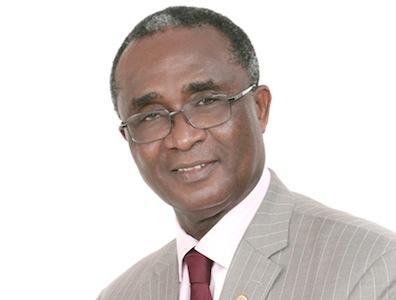
Ayodapo Shoderu, president, Nigerian Council of Registered Insurance Brokers (NCRIB), said the council was doing everything within its power to bring the desired respect the insurance broking profession deserves, in and outside the insurance industry, and that one step was to put its foot firmly down against overriding commission.
“As you are aware, one of the well-entrenched unethical practices in insurance broking practice is the issue of overriding commission being collected by some brokers. If our industry must be respected, we need to eschew all forms of unethical conduct,” Shoderu said.
He added that that the NCRIB was working with NAICOM to put an end to the practice which, he said, had regrettably been to the disadvantage of insurance brokers and caused many brokers to be shortchanged by those he described as mischievous underwriters.
“Many brokers have been shortchanged by mischievous underwriters and this trend must stop forthwith,” he said, noting further that his administration was aware of the need for review of brokers’ commission rates, assuring that his team was working towards ensuring that the vision became a reality in due course through the cooperation of all.
By: Modestus Anaesoronye




