Super majors spent more than $120 billion globally in 2013 to boost oil and gas output, but production is declining. With release of earnings which show declining profits, the management of the oil firms are having a hard time justifying massive spend in their quest to boost production output.
Shell issued a “significant” profit warning on 17 January, 2014. Its fourth quarter earnings of $2.9 billion were down from $5.6 billion for the same quarter in 2012. Shell blames high exploration costs and problems in Nigeria for the most part. Overall, profits were down 71 percent. Shell’s oil production was down 5 percent in 2013 to 3.25 mil¬lion barrels per day, largely because of issues in Nigeria and overall natu¬ral decline in its mature oil fields.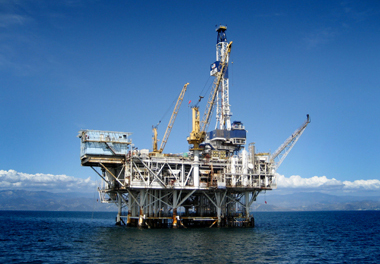
Shell will sell off more assets worth about $2.1 billion in holdings in Australia and Brazil and is said to be considering divesting some of its Nigeria assets. There has also been talk that Shell might sell off all or part of its $6.3 billion stake in Wood¬side Petroleum. The company has already sold around $300 million in assets including a liquids-rich shale play in Ohio.
Chevron reported net income of $4.93 billion on revenue of $53.95 billion for the final three months of 2013 down from net income of $7.25 billion on revenue of $56.25 billion during the same period of 2012. Chevron had signaled that results would be relatively weak in a recent update for investors, and the company met those diminished. Chevron spent $41.9 billion on new projects around the world in 2013, a record for the company, up from $34.2 billion in 2012.

For all of 2013, Chevron earned $21.42 billion, or $11.09 per share on revenue of $220.16 billion. That’s down from net income of $26.18 bil¬lion, or $13.32 per share, on revenue