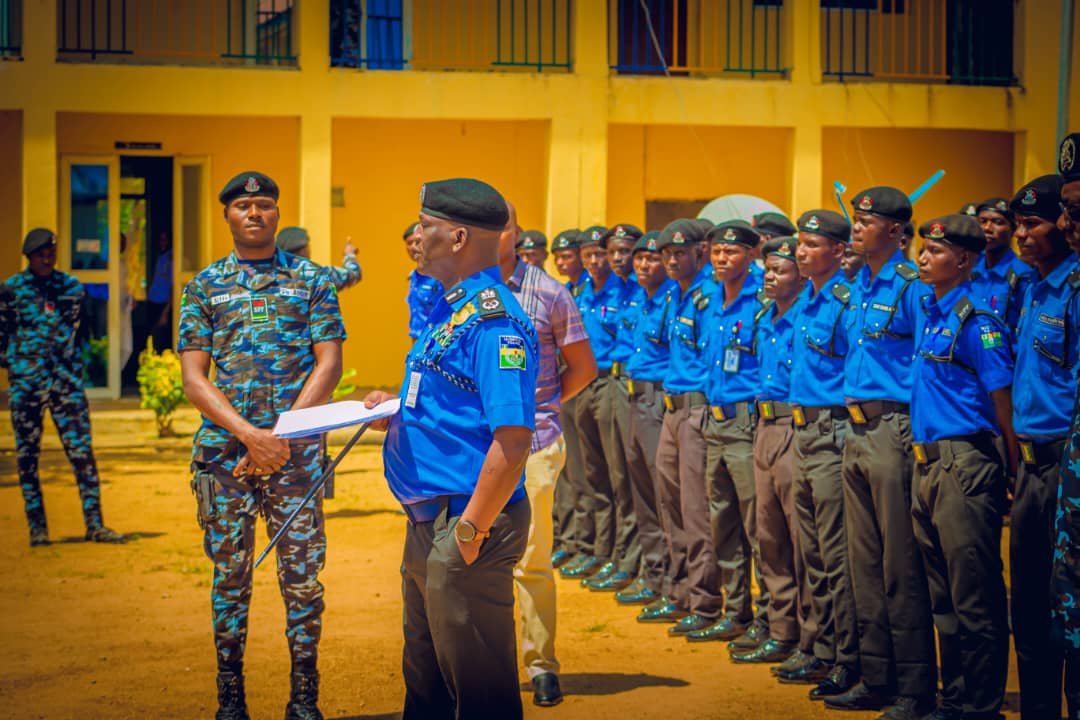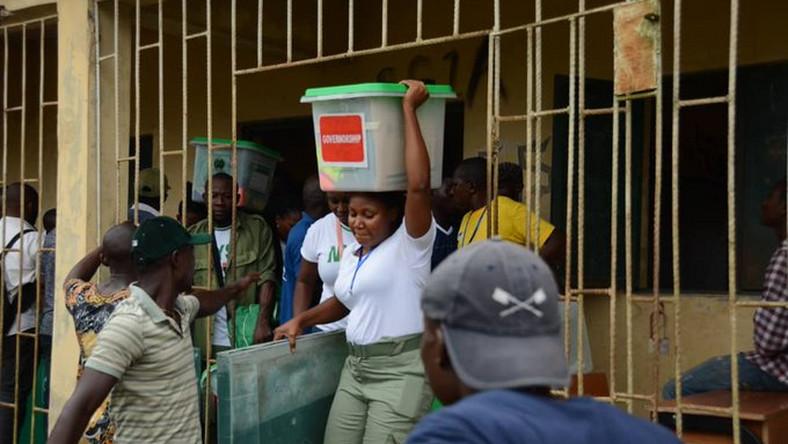
The defence by the Inspector General of Police (IGP) that thugs and fake policemen overpowered his 66,241 men to perpetrate violence in elections in Kogi and Bayelsa states on November 16 is a significant self-indictment. It speaks loudly and brazenly to connivance and abdication of responsibility of various institutions of authority that failed in their duty to ensure proper conduct of those elections. It is damnable and we condemn both the statement and the inaction of various authorities, from INEC through the Nigerian Police, the Army, Navy and Airforce.
IGP Mohammed Adamu told State House correspondents without a hint of irony or shame on Tuesday, November 19 that the Nigerian Police had intelligence about plans to undermine the polls. It did nothing. Rather, he offered a lame rationale for the failure of the police when the intelligence proved correct and it was required to act.
Hear Adamu: “During the elections, anybody you saw either in police uniform or military uniform that did not carry the tag that had been given for the election, that person was not a genuine police officer or military officer or he was not on official duty. We were aware of the fact that or we were told that some politicians were going to sew police and military uniforms, so we devised some other means of identifying those who were on elections duty. We gave them tags.”
IGP Adamu added that Police helicopters were deployed to intervene in incidents of ballot box snatching or fights. They did not carry firearms. “That helicopter you saw was to patrol and scare those that would want to snatch ballot boxes. Of course, if you see a helicopter hovering over your head, if you wanted to snatch a ballot box or you had carried one, you would know you are being monitored and you would stop. So, prevention was our focus.”

The Police “prevention” strategy did not work. Ballot box snatching was the order of the day in both Kogi and Bayelsa. They ignored the police helicopter, as if they knew it was ineffectual, and committed brazen acts of violence against voters. They shot, they killed and maimed. The Police looked the other way as confirmed by the IGP.
The worst features of Nigerian electoral management were on display in the two states. These include weaponization of poverty as voter inducement with cash was done openly; failure of the security apparatus as they showed indifference to the brigandage happening right before them; A race by the politicians to beat the system by any and every means possible; Open display of incompetence by INEC officials unable to agree on the vote tallies while reading results on national television; diminution of Nigerian institutions connected with electoral management, from INEC through the Nigerian Police, the Army and civil defence.
Violence continued post-election in Kogi State as thugs went and locked up a female PDP stalwart in her house, set fire to it and prevented help reaching her until she and the house burnt down!
A critical consideration is the consequence of all these for the nation. Declining trust and belief in our institutions is one. There is also increasing loss of faith and interest in democracy. What a sad development against the backdrop of the excitement the free and fair election of 2015 caused in Nigeria and Africa. The November 2019 election in Kogi and Bayelsa states continues the tendency to undo all the gains of Nigeria in election management in 2015.
The way out is the application of technology. Time now to insist on enacting an electoral legislation that prioritises the latest technologies in our election management, from voter registration to actual voting. Many countries of the world with even larger populations and more difficult terrains such as India have done it. India recently managed a national election with 600m voters. Nigeria can do better by applying technology immediately.