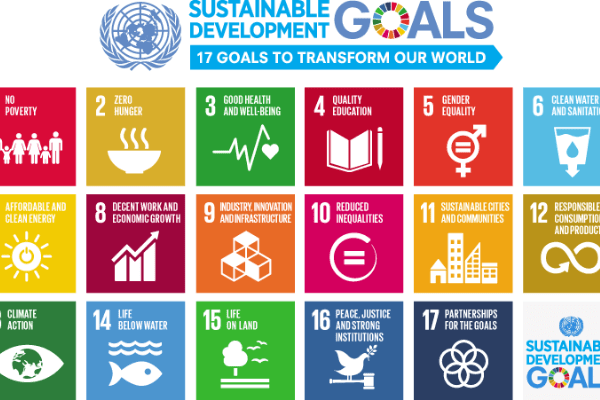
Government across Nigeria must continue to do more in other to improve and achieve the Sustainable Development Goals (SDGs) by 2030 says Nigerian youths as the country joins the rest of the world to mark the anniversary of the Child Right Convention, CRC @30.
Despite the gains in the situation of children and young people globally, including Nigeria in recent years, much remains to be done. Too many Nigerian children and young people are being left behind, marginalized or abused.
The youth dialogue supported by United Nations Children’s Fund, UNICEF, in Lagos State themed Naija Youth Talk demands the government take action in order to see the country of their dreams. They say the government must ensure to create opportunities needed for young persons to develop in a safe environment.
“Government should build more health centres that are closer to the people which will make it easier to receive quality healthcare services and private sectors to use their platforms to educate young people as well as support good health provision which is also a part of SDGs,” said Mmesoma Okonkwo, who spoke on Health related issues in Nigeria.

Read also: HealthPlus Pharmacy emerges winner of PSN presidential award
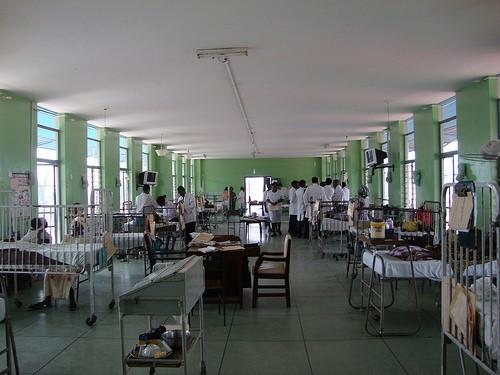
Okonkwo, said it is difficult in accessing healthcare in the rural areas where health seekers travel long distances to reach health centre as well as pay exorbitant amount for treatment.
Meanwhile UNICEF believes that children and young people are experts in their own lives and experiences and time has come for them to tell the world what matters to them; to lead the way to the world they deserve by raises their voices and demanding their rights.
For the event, about 60 children and youths from across schools in Lagos state shared their thoughts on their rights to education, health, skills development.
“UNICEF will take the results of the Youth Talk to global and national leaders and help provide a platform for young people to present their recommendations to Nigerian leaders,” said Muhammad Okorie, UNICEF Officer in Charge of Lagos State Field Office.

Okorie, said that 30 years ago, world leaders came together in a moment of rare global unity and made a historic commitment to children by adopting the United Nations Convention on the Rights of the Child. Contained in this international law is a profound idea that children are not just little people who belong to their parents, or adults in training. Rather, they are human beings and individuals with their own rights and voice.
“The convention says childhood is a special, protected time, in which children must be allowed to grow, learn, play, develop and flourish. The Convention went on to become the most widely ratified human rights treaty in history,” he said.
Okorie further said that with emergence of digital technology, enhanced mobility and unprecedented technological progress young people of today live in a world of unlimited potentials stating that on the other hand, global trends such as environmental and climate change, increased protracted conflict, increased mass migration and rapid urbanization have dramatically changed childhood from what for instance our parent’s generation know it to be.
.