The rise of indigenous oil and gas companies in the last decade has been a welcome development. Over the period, many onshore assets which were hitherto in the hands of international oil companies (IOCs) were passed to indigenous companies.
Notwithstanding the challenges of the operating environment, many of the indigenous operators in partnership with the NNPC, have continued to deliver value to the Nigerian economy in terms of job creation, taxes and skills dissemination.
Several indigenous companies have been very successful at raising funds, acquiring technology, protecting the environment, gas utilization for power and entrenchment of federal government’s local content policy. This has led to a direct increase in local content participation in the sector. For example, the amount of fabrication being done locally has increased significantly and there are many more Nigerian subcontractors working on major projects, both for IOCs and for indigenous operators.
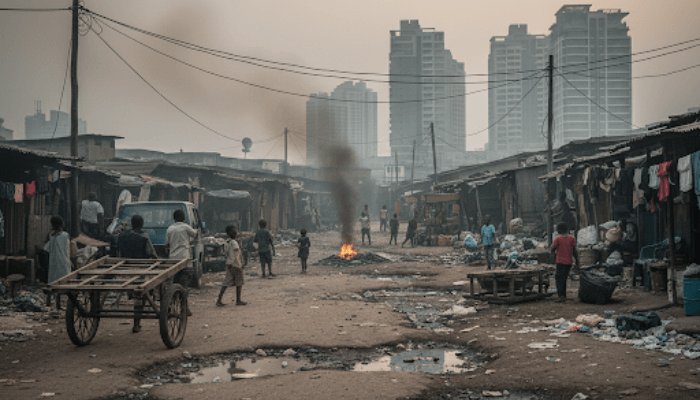
However, beyond their core business, these indigenous companies have taken on Corporate Social Responsibility (CSR) projects in their host communities. Over time, the companies have addressed community needs that cut across health care, education, infrastructure development among other areas. In many cases, extraordinary measures have been taken to graft in community interests into the operations of indigenous oil companies.

Accugas and its parent company, Seven Energy, for example, have adopted CSR initiatives beyond healthcare, education and infrastructure to include entrepreneurship and skills development.
Arguably the only indigenous company in the E&P sector dedicated solely to the domestic gas market, Accugas has invested over $600 million in gas development, processing and transportation infrastructure. The company has been providing gas to both Ibom Power and Calabar NIPP for the past five years, who together provide around 10 percent of the electricity consumed in the country. Together with its parent company, Seven Energy, Accugas has invested close to $2 billion in the oil and gas sector, unprecedented for an indigenous company focused on the domestic gas market.
Seplat presents another sterling example. With such programmes as Eye-Can-See, the PEARLs quiz competition and Safe Motherhood. The indigenous major has brought communities closer and continues to deliver value. Since 2012, Seplat has invested in education in a bid to lift secondary schools in Edo and Delta states in a bid to help achieve Sustainable Development Goal (SDG) 4. As part of its quiz competition initiative it has delivered a language laboratory, three roofing projects, roofing for a block-of-classrooms, interlocking stones for an entire school premises, designed to stave off erosion, five computer laboratories in different schools and four brand new school buses.
Lekoil, another example, is reputed to have signed a contract with its host and delivered significantly on CSR even before production began. Other indigenous companies that have demonstrated leadership in this area include First Exploration and Petroleum Development Company Limited and the Niger Delta Exploration and Production Plc.
The result of these CSR interventions by indigenous oil and gas companies is that the acrimony which used to characterise oil companies and their hosts has reduced.

For companies, the key lesson is that when organisations factor in host communities into operations, the bottom lines are positively impacted. This model, that puts the people first, should be replicated across various sectors of the Nigerian economy.
This is even more relevant as the economic strains that communities face, post-recession, are still there. Many families can barely afford health care services or educate their children and will very much appreciate CSR interventions from time to time.
On the part of communities, it is only logical to reward responsible companies with peace and cooperation. And when there are the occasional disagreements, matters should be resolved without recourse to violence, intimidation and vandalism.