In move to provide an alternative means of transportation and save the growing stress faced by the motoring public, Uber Technologies Incorporated last Friday in Lagos, Nigeria’s economic capital launched a pilot test of a boat service in to attract commuters seeking to avoid the megacity’s congested roads.
The waterway service, UberBOAT, is operated in partnership with local boat operator Texas Connection Ferries and the Lagos State Waterways Authority (LASWA).
“This initiative is aimed at providing commuters with an easy and affordable way to get in and out of the city’s business districts,” Uber; the ride-hailing firm said in a statement.
The pilot phase will operate on weekdays from 7a.m. to 6 p.m. on a fixed route between two locations in the city.

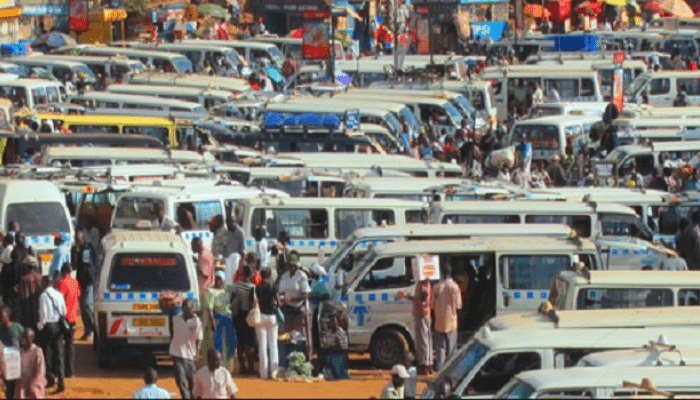
Passengers will be charged a flat fare of N500 per trip, compared with about 300 naira by minibus operating along the axis within the metropolis.
At a conference with the journalists last Friday, Uber officials said there would be four trips a day, carrying up to 35 people on a boat, during the two-week pilot.
Babajide Sanwo-Olu, the governor of Lagos state, saidat the even that the Uber boat service, and the use of waterways in general, were part of a raft of initiatives aimed at easing congestion that include a programme of road repairs.
It would be recalled that Google, the technology giant also launched a new feature in July that allows Nigerians to hear travel advice in a local voice on Google Maps. Another feature allows users in Lagos to seek directions from “informal transit” services, such as private minibuses.
The United Nations predicts that Nigeria’s population will more than double to 400 million by 2050, which would make it the third most populous country in the world after China and India.

The combination of population growth and congestion has made Nigeria, and more broadly West Africa, attractive to foreign transport companies.
The Global ride-hailing’s chief business officer said that in June the company planned to launch the service to carry travellers in the Lagos megacity of around 20 million people that is built on a lagoon.
MIKE OCHONMA