Work on a multi-billion-dollar Ugandan pipeline project has stalled in the wake of continued disagreements between the government and its three foreign partners, threatening the east African country’s hopes of becoming the world’s next oil producer.
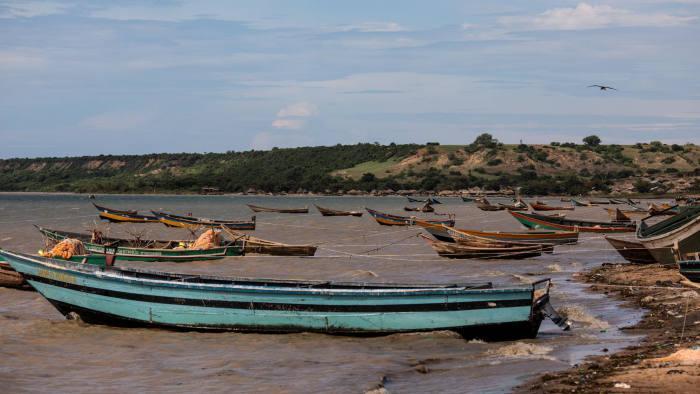
France’s Total, UK- listed Tullow Oil and the China National Offshore Oil Corporation jointly control three oil blocks in Lake Albert, a giant stretch of water on Uganda’s border with the Democratic Republic of Congo.
Ugandan officials have long hoped that investment in Lake Albert — home to Africa’s fourth largest oil reserves — would accelerate economic growth in the region from 2020.
But 13 years after the first discoveries were made, Total said it was stopping technical work on the oilfield and pipeline project following the collapse of a deal to buy additional equity from Tullow and the failure of talks with the Ugandan government to agree legal terms for the investment.

Oil executives said the decision to stop work had been discussed with the government but Uganda’s oil minister, Irene Muloni, said she had not been informed and denied the project had reached an impasse.
“They have not given any formal communication [of an intention to cease work],” Ms Muloni told the Financial Times. “The discussions on the various issues are ongoing and we hope to reach an agreement very soon.”
The pause in activities after years of negotiations is the latest setback for a complex project whose upstream development costs are estimated at $10bn and which requires the construction of a 1,443km electrically heated pipeline — the longest in the world — to get the oil from landlocked Uganda to the Indian Ocean. Tullow confirmed the commercial viability of the oil blocks in 2009 but a final investment decision has been delayed multiple times.
Total told the Financial Times that the partners could make no further progress until they had “a clear and stable legal framework and clarity on the project shareholders”.