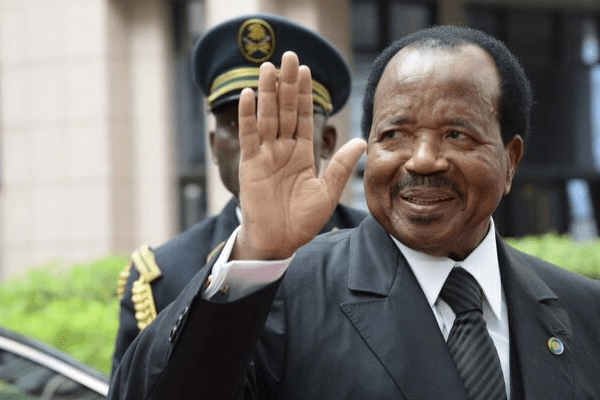
Cameroon president Paul Biya, in a rare public address, has called for a “grand national dialogue” to resolve a separatist crisis that has left thousands dead and hundreds of thousands displaced in the west African nation.
The conflict has seen the largely francophone country’s two English-speaking regions agitate first for greater autonomy and, after a brutal crackdown on peaceful protests in 2016, independence. Mr Biya’s francophone government has responded by locking up opposition figures, blocking internet access in anglophone regions and engaging in extrajudicial killings and the arbitrary arrest and torture of journalists and civilians, according to human rights groups.
But on Tuesday night, Mr Biya said he would at the end of the month convene a “national dialogue . . . to examine ways and means to respond to the deeply held aspirations of the populations in the northwest and southwest [anglophone regions], but also in all the other component parts of our great nation”.
The speech, in which he reiterated his pledge to pardon any separatist who lays down their arms, was his most direct response to the crisis since his election to a seventh term last October.

But observers noted that in his speech to a country that is ostensibly bilingual, on the subject of the nation’s bloody linguistic divide, the president did not speak any English.
“An entire speech on the #Anglophonecrisis without uttering a single word in English, without ever directly addressing anglophones,” Cameroonian tech entrepreneur Rebecca Enonchong wrote on Twitter. “He either doesn’t understand or he refuses to understand. This speech will just add fuel to fire.”
Observers have warned that the crisis could tip the nation, once a model of stability in the region, into civil war. The separatists calling for an independent anglophone country called Ambazonia — made up of about 5m of Cameroon’s 24m people — represent the greatest threat to Mr Biya’s leadership in his 37 years in power.
He has long ruled by decree, and spends months at a time at the Intercontinental Hotel in Geneva. In January, authorities arrested dozens of opposition politicians, including opposition leader Maurice Kamto, who faces the death penalty on accusations of “insurrection” in a trial that has been attacked by international rights groups.
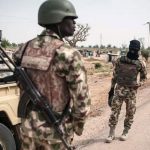
Western governments have largely been silent about the anglophone crisis, in part, critics charge, because of Cameroon’s importance in the fight against the jihadist Boko Haram insurgency.

Both Cameroonian security forces and armed separatist groups, which are largely directed by exiled Cameroonians in Europe and the US, have been accused of human rights violations.