When Saudi Arabia’s ambitious crown prince Mohammed bin Salman wanted something done, his energy minister was often on hand. Khalid al-falih was tasked with stabilizing the oil market after the 2014 crash and helping to diversify the kingdom’s economy.
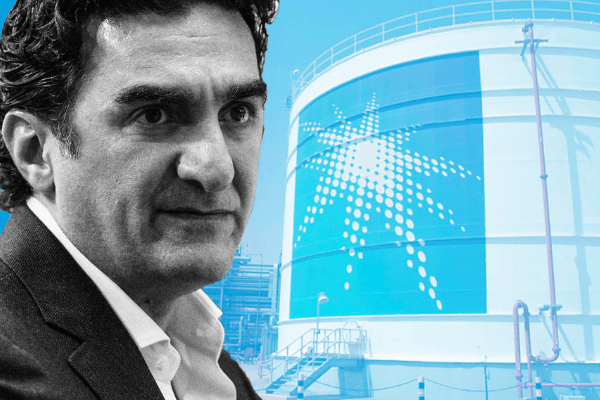
But the veteran adviser has now been eased aside in delivering a project on which many of Prince Mohammed’s broader ambitions for Saudi Arabia hinge: the long-awaited flotation of Saudi Aramco. On Monday it emerged that Yasir al-rumayyan, head of the Public Investment Fund, the country’s sovereign wealth fund, had replaced Mr. Falih as chairman of the kingdom’s state oil giant.
Installing Mr. Rumayyan, a former local investment banker, as chairman of Saudi Aramco underlines the PIF’S growing muscle. A once sleepy fund, PIF has already been charged with developing a number of ambitious multibillion-dollar mega projects in the kingdom, forging new industries from scratch and snapping up stakes in companies including ride-hailing app Uber.
“The PIF seems to be running the show,” said one person familiar with the listing process.

Initial preparations for an IPO, long touted as the world’s biggest, were handled by Saudi Aramco but ground to a halt last year amid concerns about legal risks and doubts over whether it would achieve the $2tn valuation sought by the crown prince.
Yet, as Prince Mohammed seeks to give the initial public offering new momentum, Mr. Rumayyan faces an uncertain backdrop for oil demand, fragile stock markets and deepening worries that Saudi Aramco will be used as a cash cow by the government.
Even before Monday’s official announcement, Mr. Rumayyan had stamped his mark on the preparations. Over the past two months, he has taken a leading role in discussions such as where Saudi Aramco should list, how much of it should be sold, which advisers need hiring and when it might happen, five people informed on the listing process said.
He now runs a government committee overseeing the flotation, having replaced Mohammed al-jadaan, the finance minister, in recent months, two of these people said.
The reshuffle will see Mr. Falih, a Saudi official with international recognition given his high-profile role as the de facto leader of Opec, retain his influential post as energy minister. People close to the government say there were longstanding concerns that the scope of his responsibilities, which until last week spanned oversight of industry and mining, left him overstretched.

“People feel Falih’s greatest value-add was managing the global audience on energy — it was less about the domestic system,” said one of the people close to the government. “But there was some frustration that his portfolio scope became so big, he became fragmented, not enough things happened.”
In a tweet on Monday, Mr. Falih wished Mr. Rumayyan success in his new role, saying it was an important step to prepare the company for an IPO. It had long been thought that Mr. Falih would not be able to maintain his dual roles as energy minister and chair of Saudi Aramco as the company pressed ahead with a listing.
What is clear is that advisers and ministers are now taking Mr. Rumayyan’s remarks as an articulation of Prince Mohammed’s views and that he is following orders from the crown prince, people familiar with the matter say.
ANJLI RAVAL IN ABERDEEN, ANDREW ENGLAND AND ARASH MASSOUDI IN LONDON AND SIMEON KERR IN DUBAI