One of the world’s biggest consumers of coal, Germany has announce it will soon primarily reply on renewable energy as the country plans to shut down all 84 of its coal-fired power plants over the next few years in order to meet its international commitments in the fight against climate change.
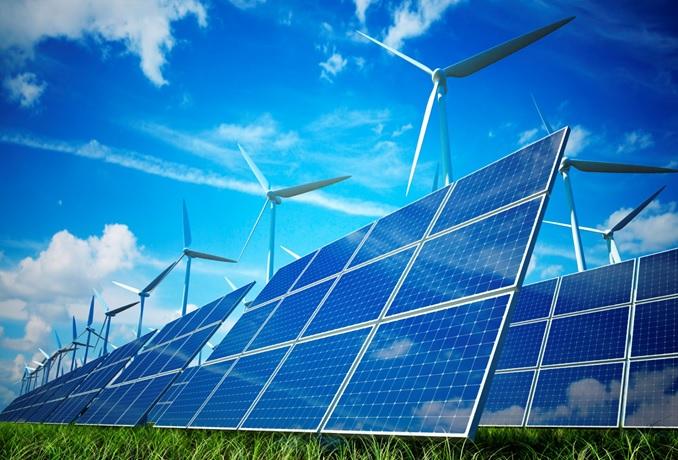
While Nigeria possesses an abundance of access to renewable energy sources and a master plan for renewable energy, the country is still behind in renewable energy development and usage however in Germany renewable energy overtook coal last year as the leading source of energy and now account for 41percent of the country’s electricity supply.

“It’s a big moment for climate policy in Germany that could make the country a leader once again in fighting climate change,” Claudia Kemfert, professor for energy economics at German Institute for Economic Research told Bloomberg.
In Germany, 12 of the country’s 19 nuclear plants have been shuttered so far as the country hasten up its gradual steps towards renewable energy. The plan to eliminate coal-burning plants as well as nuclear means that Germany will be counting on renewable energy to provide 65percent to 80percent of the country’s power by 2040.
The German government plans to bring the share of renewables in Germany’s power consumption to 65 percent by 2030, although the country’s chamber of commerce and other stakeholders have warned that this goal will be out of reach if renewables expansion is not accelerated significantly.
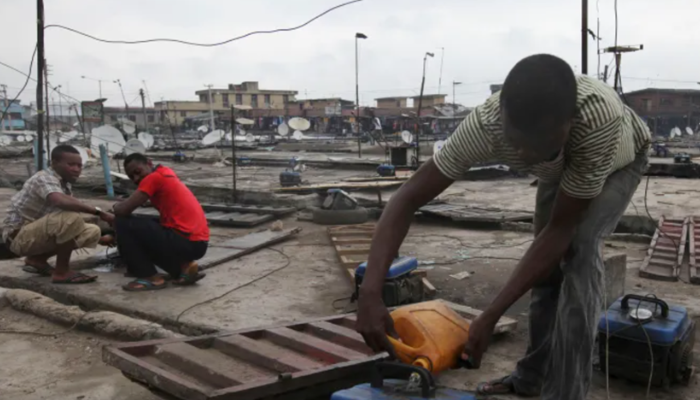
Faced with a population boom that has sent carbon emissions soaring and stretched power supplies to breaking point, oil-rich Nigeria should be turning to renewable energy in a big way just like Germany.

Nigeria is a country with an ever-growing population of about 180 million people and yet produces an estimate of 7,000MW of power primarily through fossil fuels (natural gas and oil). This is a challenging fact when compared to other countries.
“Ready access to electricity will reduce youth unemployment and increase productivity,” Ifeoma Malo, Nigeria country director at the global campaign group Power For All, told the Thomson Reuters Foundation.
Based on the United Nations Population Division (UNDP) estimates; Algeria with a population of about 41 million, generates about 11,000MW; Egypt (95 million population) – 24,000MW; United Kingdom (65 million population) – 80,000MW; Germany (80 million population) -120,000MW, South Africa (60 million population) – 40,000MW and again Nigeria with 191 million population generates a paltry 4,500MW.
In a bid to restructure the power sector to pave the way in solving Nigeria’s energy crises, the country is turning to renewable as a sustainable source of energy. This consideration of an alternative source of energy is not only to meet the power demands of Nigerians living in rural areas who are underserved and unserved but also to limit the damage fossil fuels has inflicted on the country.