It is hard to different between a seed (that should be planted) and a grain (which should not be planted). For some farmers, these ‘fake seeds’ are purchased out of ignorance, while others deliberately save seeds from previous harvests, even though these are actually grains.
The difference between these two lies in the fact that the one, which is seed, has gone through a refining process where it has been optimised for planting and quality production. The grain on the other hand, is just what the farmer (or informal seed seller) has kept for replanting from a previous harvest, without going through any special process. The outcome of whichever choice is made between seed or grain becomes evident in the productivity at harvest.
“Farm yield in Nigeria is dependent on numerous factors chief of which is the genetic ability of the seed as well as agronomic factors,” noted Philip Ojo, director general of the National Agricultural Seed Council (NASC), in a previous interview with BusinessDay.
He further noted, “What comes to mind is how much of ‘seed’ farmers are using in Nigeria. The bulk of our crop production is still dependent on the use of farm saved seeds partly due to the lack of awareness on the need to use quality seeds.”

Rutger Groot, chairman, East-West Seed Knowledge Transfer, and a member of the Supervisory Board EWS BV, had also reiterated that a lot of farmers in Nigeria keep seeds which they reuse from part of their last harvest saved as seed for the following year. But unknown to them, with every generation quality goes down.
“If you just spend a little money on a bag of seeds, the quality will always be uniform and high level. This is something farmers have to learn,” said Groot.
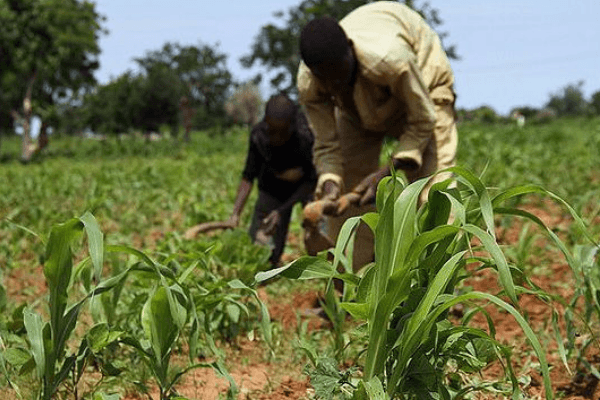
Poverty and the ignorance that comes with it could however, also be playing a role in this choice by farmers. According to Hamza Ahmed Mahuta, an agriculture consultant “many farmers in Nigeria are truly peasant. If you look at their lives you will realise what they produce is hardly enough to last them two to three months.” He explained that the remaining periods after harvest, most farmers have virtually nothing, not even to keep as seeds but to feed their families. Unfortunately, about 80 percent of primary production in Nigeria is in the hands of these peasants. It therefore becomes difficult for some to invest in getting good seeds when the next planting season commences, even though the quality seeds will enable them to boost productivity.

“It may be difficult to differentiate between a seed and a grain, and it is a lot harder to tell where there have been adulterations or counterfeits are being sold to farmers,” noted Kabir Ademoh, local coordinator, Seed for Change. “What needs to be done is reaching out to farmers, educating and introducing them to quality seeds through competent companies”.

Garbage in, garbage out, this aptly describes the outcome when either ‘fake’ seeds or adulterated fertilisers are used on any farm. Urgent actions are required in educating farmers on the importance of using quality seeds, as failure to do this will have a significant effect on food production in the country, one that is not likely to be a positive one.
CALEB OJEWALE