President Muhammadu Buhari who also doubled as Nigeria’s petroleum minister has approved the transfer of troubled Seven Assets to the British independent oil & gas company Savannah Petroleum or any of its subsidiary companies.
The ministerial consent is subject to the payment of all taxes due in relation to the transaction within 90 days of the receipt of the approval letter conveying the Consent.

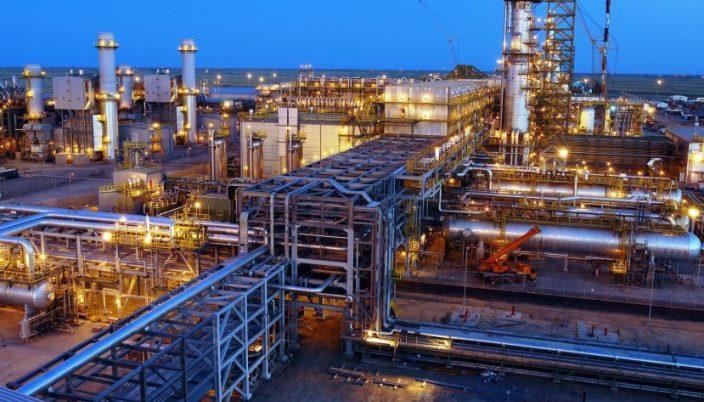
The deal will see the developer, which also has projects in Niger, take parts of Seven’s assets in a complicated deal that had to be agreed by the producer’s bondholders. It will have a 75 per cent stake in one producing gas field, Uquo, 51 per cent of another, as well as 75 per cent of the Accugas gas processing plant and marketing business. Savannah forecasts net take-or-pay production to be 18,900 barrels of oil equivalent per day.
Savannah Petroleum noted that the completion process will follow pre-agreed steps as set out in the legally binding implementation agreement which was signed in February 2019 while Further updates in relation to the outstanding conditions precedent and transaction completion will be followed in due course by the publication of a Supplemental Admission Document.
Panmure Gordon analyst Colin Smith told investors chronicles that Savannah would receive between $74million and $94million in new funds from the debt restructuring process and the further sale of 25 per cent of Accugas and part of its share in the Uquo gas field for $70million.

Savannah raised $125million from shareholders and borrowed $50million last year. Seven was up for sale because of its struggles with debt, with its net borrowings hitting $900million in 2016 and annual interest costs at $100million.
Savannah will add debt through the takeover. There are $470m in borrowings linked to the Accugas midstream assets, with $371million of that with a hefty 10.43 per cent plus Libor interest rate, although this is ring-fenced from the rest of the company.
Seven Energy, a Nigerian company founded in 2004, ran into troubled waters after several defaults on its debt servicing obligations. The company decided to enter into a transaction for a comprehensive capital restructuring, which includes selling most of its assets.