Nairobi-based Partnership for African Social and Governance Research (PASGR) and the Institute for Development Studies (IDS) based in the University of Sussex, the United Kingdom, in collaboration with independent Nigerian academics and researchers are studying the outcomes of energy protests in Nigeria.
The aim of the study is to understand the range of protests and the conditions under which the protests lead to change, if and when they do, as well as why and how fuel subsidy reforms lead to protest.
The PASGR is a non-partisan, pan-African network specialising in research, graduate training and retooling for post-graduates, early career, and middle career researchers. It is part of a larger programme with the IDS at the University of Sussex, Oxfam International, and ITAD focusing on accountability and action for empowerment in the global south.
“We are looking at some interesting questions one of which is whether protests matter and work. We also want to find out under what conditions protests work and range of protests that have implications for politics, public policy and the political economy,” said Tade Akin Aina, executive director of PASGR. “These include new forms of political and social actions in Africa such as the #bringbackourgirls.”
The Leadership Effectiveness Accountability Professionalism (LEAP) Africa recently gathered a group of stakeholders in the energy sector, including government officials, academics, concerned civil society organisations, the media and representatives of oil-producing communities. This was aimed at sharing the proposed study with the stakeholders, and learning from them what would be needed to realise the objectives of the study.
Part of the issues to be addressed was how to make the research serve them the best way it could. To secure cooperation and support and anticipate the eventual use of the findings of the research when they are out. This way the PASGR can leverage this network, when needs arise, in the process of data collection for the study.
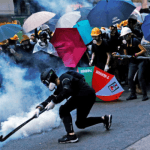
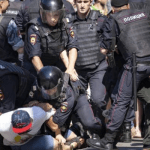
Crude oil and its refined products are the lifeblood of the Nigerian national and individual economies. This is why every fluctuation in the prices and availability of these items is greeted with the widespread reaction by Nigerians. In nearly all cases when prices of fuel are increased or when fuel is not available, Nigerians protest widely.
Between 1973 and 2015, the pump prices of fuel have been increased many times. In nearly all of these, the civil society and organised labour mobilised citizens to protest the increase. Some protests were brief, others were long drawn; some were followed by government reduction of the pump price, others were not. In one instance, an increase in pump price was not followed by any protests.

These protests cost substantial civil society and labour energy to organise. Such protests cost government resources to respond to or quell. Worse still, they result in loss of property and lives. Given these incalculable costs, it is important to ask if these protests do produce the results desired by the organisers, and under what conditions they do so if they do.
The aim of the study, therefore, is to examine fuel protests in the last decade trying to understand the dynamics of mobilisation and if, when and how they produced results. It is important to understand that government yielding to pressures from protesters is typically a negotiation of several complicated interests – with those of protesters being just one of those interests.
Interests of oil companies, marketers, government ministries, international oil markets, and real politics are among other competing interests. Using a combination of methods, the study will examine the interplay of these interests in government’s decision to (not) review fuel prices in response to protests.
The study is part of a multi-country research, which includes Pakistan and Mozambique. In Nigeria, the study team is made up of John Agbonifo, a Sociology lecturer at the Osun State University and Ayo Ojebode, a professor of Communication at the University of Ibadan.