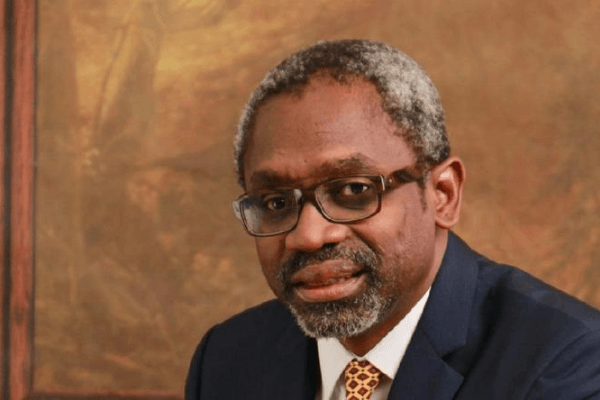
Speaker of the House of Representatives, Femi Gbajabiamila stunned the nation recently when he announced the appointment of about 33 personal aides.
The appointments cover all manner of portfolios, including special advisers and personal assistants on internally displaced persons, gender and equality, political matters (one each from the six geopolitical zones of the country), special needs and equal opportunities, employment and job creation, members’ affairs, administration, special duties, inter-governmental affairs, youth matters, executive relations, budgetary and finance, oil and gas, Niger Delta, anti-corruption, former members’ affairs, and the list goes on.
Gbajabiamila’s appointments, however, meant nothing when compared to Ben Ayade’s, the Cross River State governor, whose aides, inclusive of special advisers and personal assistants in his first tenure were about 8,000.
The two examples capture the near bizarre in government, especially at federal, state levels, where presidents, governors and lawmakers elected into public offices appoint legion of aides.
Across the 36 states of the federation, the governors hardly pay salaries of civil servants and entitlements of pensioners as at when due, just as they run the affairs of their states with huge debts hanging around their necks. This is also as the Federal Government and organised labour are currently on each other’s throats over the yet to be implemented a new national minimum wage of N30,000 signed into effect in April by President Muhammadu Buhari.
According to findings, an average appointee as a special adviser or personal assistant to political office holders earn salary equivalent to those of grade levels 14 and 16 in the civil service, aside allowances.
While some Nigerians believe these appointments smack of insensitivity, as well as breeds corruption, others, however, think it is a way to create employment.
Clifford Thomas, an Uyo-based human rights lawyer, described the development as unsustainable and a means of “settling cronies who had worked for the politician to be elected” which breeds corruption.
Thomas, who, however, agreed there is no law pegging the number of personal aides to be appointed at any given time, explained that appointing too many aides would breed discontentment from those who left out in the appointment spree.
According to Thomas, by appointing too many personal aides, politicians might be looking for those who might be handy during the next elections to be used as errand boys for various activities. He believed it would be better for politicians to channel their resources to the improvement of infrastructure in the society that would drive economic development for all.
However, a chieftain of the ruling All Progressives Congress (APC) in Lagos State, Moshood Salvador, disagreed that the large numbers of personal assistants by top public office holders were unnecessary, noting that in most instances they often carry out administrative duties.
Salvador, who was a former chairman of the People’s Democratic Party (PDP) in the state, further stressed that such appointments often create jobs, adding that their salaries and emolument were often provided for by law.

According to Salvador, “most of these people you are talking about carrying out the function of their bosses; they help in administrative convenience and help in carrying out several duties.
“If you are saying the people are doing one job, but they are doing different jobs, and here is a country where there is no job, it is also an opportunity to employ and empower people.
“When you select the disabled for a role, it is because he knows how it fills to relate with his contemporaries in the society, and it is not that what ten people are collecting that they giving to one person, “Salvador said.
“The physical revenue mobilisation commission provides for the upkeep of staff of top public office holders, so people who raise eyebrow should know if I collect the money and refuse to employ they would say I am corrupt.
But the former minister of special minister, Abimbola Ogunkelu, however, disagreed with him, noting that the current situation was worrisome; stressing that such money could be used for governance and development of the country.
“This situation is becoming serious; you saw how much personal assistance the National Assembly leaders appointed. We must look seriously into the cost of governance in different level of government in the country.
“The money you use in employing large number of staff could have been used for governance and other person’s centred purpose. It is a major national issue, which must be checked,” Ogunkelu said.
Chris Onyeka, a deputy general secretary of United Labour Congress (ULC), condemned the appointment of multiple aides, describing it as the “height of irresponsibility”.
“For too long in this country, we have complained that the cost of governance is too high and this relates to recurrent expenditure which is made basically of humongous salaries and allowances of political officeholders.
“It would have been expected that a responsible government would cut down on the cost of government, but unfortunately what we see an increase in appointment of personal aides some of which are irrelevant,” said Onyeka.