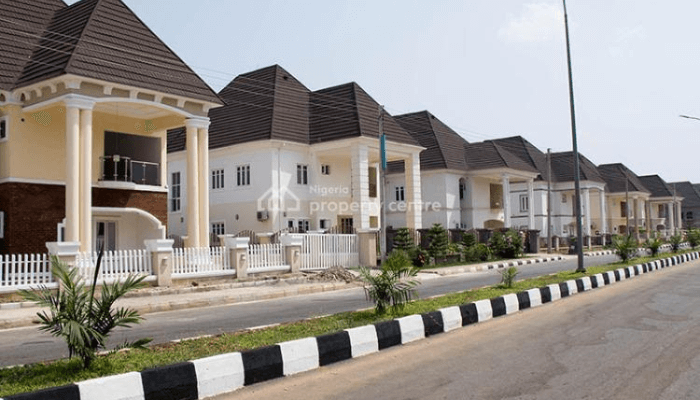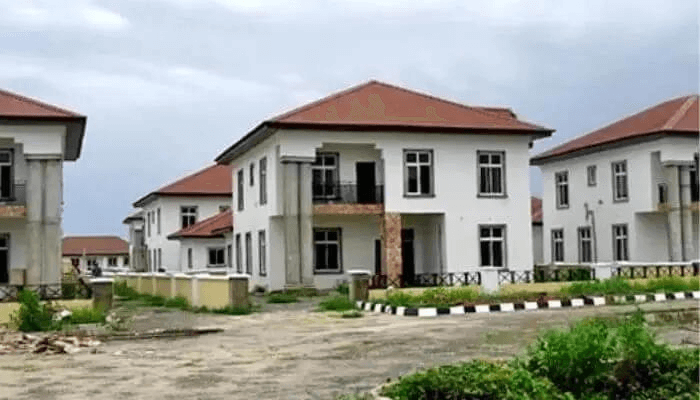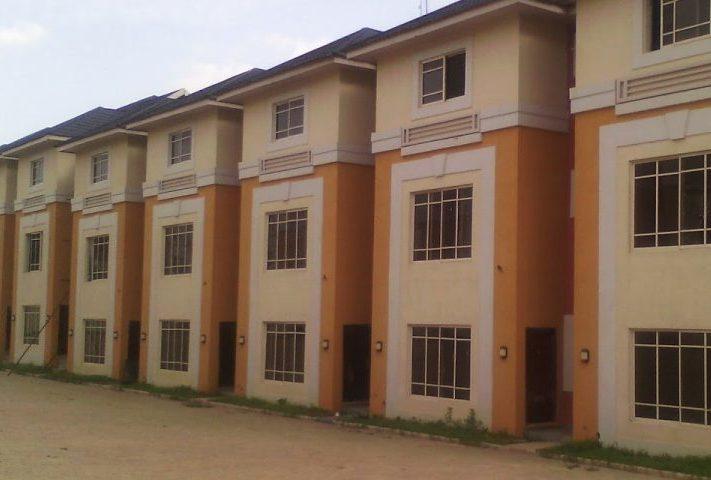
As the economy continues to slow with declining consumer purchasing power, property developers are coming up with new buyer-friendly strategies that offer home seekers opportunities to buy and also enable the developers to remain in business.
Among the various strategies seen so far in the market, funding engineering, off-plan sales and build-as-you-pay are the most common ones offered by the developers who are also constrained by lack of credit facilities from the lending institutions.
Though property prices have remained relatively stable, demand has dropped considerably and for that reason, “people are being clever on how to fund who wants to buy,” a developer explained to BusinessDay.
The developer explained further that, with this strategy, the seller asks the buyer to pay 50 percent of the value of the house and gives him one year to pay the balance, adding that, apart from stimulating demand, this also saves the buyer the burden of looking for huge capital requirement for outright purchase.

This is a win-win situation because the seller gets customers who ordinarily would not have come, while the buyer is encouraged to buy at a time he/she would not have bought.
For Propertymart Real Estate Investment Limited, pay-as-you-build is a strategy that has helped them attract buyers to the Citiview Estate in Arepo, Ogun State. The strategy is one of three options open to their buyers.
The other two are outright and off-plan purchase. A buyer that goes for the pay-as-you-build option enjoys staggered payment made in the ratio of 30, 25, 20,15 and 10 percent installments.
The pay-as-you-build is a very convenient way to own a home. The buyer makes an initial deposit of N30 percent of the value of the house which takes construction to foundation level; this is followed by 25 percent which is paid when the buyer sees the carcass of the house; then 20 percent when the house is almost finished. 15 percent is paid at fixtures and fittings stage and the final 10 percent is paid when the house is completed and the buyer takes possession.
The off-plan sales—a strategy that allows home seekers to buy their houses from the design stage is a way the company funds their developments in the absence of bank loans. Buyers under this strategy have only 18 months to complete payment to guard against inflation.

Many of the developers lament that after five years, the original purpose of the Nigerian Refinance Company (NMRC) as a vehicle for affordable housing finance through the provision of liquidity in the mortgage system is not yet seen.
They not that the company has raised money from International Finance Corporation (IFC), World Bank, Nigerian government, mortgage operators etc, yet nobody sees where the money is.
The developers want incoming ministers of finance and housing to be able to ask questions to find out what is happening with the money so far collected or invested in the company. “The wheel of the company is turning very slowly and all the money they have collected may be sitting in bank accounts, earning interest for only God knows who,” they reasoned.
According to them, there is long term money in this country contrary to popular belief that the country does not have. They point out that the pension fund is long term money which runs into trillions of naira. “Imagine if that money is given to NMRC, the effect will easily be seen because it will start pulling the wheel”, they argue.
CHUKA UROKO