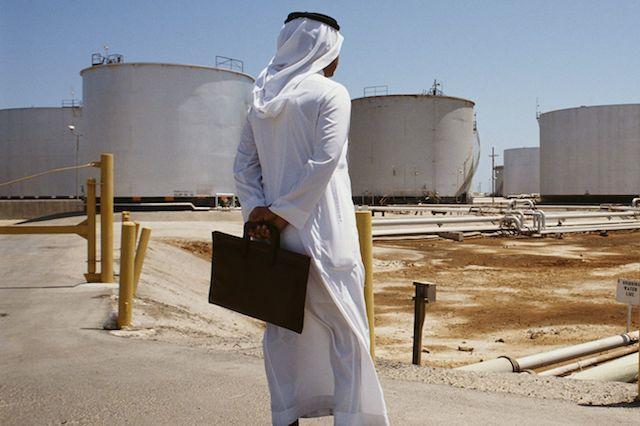
Saudi Arabia the world’s second biggest crude producer is shifting between 2m and three million barrels per day hydrocarbon production into chemicals as one way to take a leading position in the sector. Africa’s biggest producer needs to think in this direction too.
According to the last oil market report by Paris-based International Energy Association (IEA), global oil market rises and falls with production from the United States, emphasising that there is added uncertainty about oil demand due to rising production from the United States.
The report also explained that refiners will face a challenging year as processing capacity will increase by 2.6 million bpd, the biggest growth for four decades, while margins are already pressured by low gasoline cracks due to oversupply and weak demand.
“The well-trailed changes to the International Maritime Organisation’s marine fuel regulations due in 2020 are another big issue for some refiners as they seek to find outlets for unwanted high sulphur fuel oil,” IEA said in its report.

Saudi Arabia does not want to be caught on the wrong end of a bearish oil market so it is opening discussions over investments in natural gas in several countries.
Amin Nasser, Saudi Aramco CEO told Bloomberg that the company wants to be a major gas player globally as it sees lots of potential deals in different parts of the world. It is also willing to partner with large companies.
Aramco is discussing acquiring a 70% stake in chemical company Sabic from the kingdom’s Public Investment Fund.
“Organic growth is not going to allow us to meet our aspiration of being a leading chemical company,” Nasser said.
This is why it is wants to shift 2m-3m b/d of its hydrocarbon production into chemicals.

Nigeria’s petrochemical industry has been hampered by the poor state of the refineries leading to loss of billions of naira in revenue. Shipping off 445,000 barrels of crude oil a day to refineries in Europe and Asia outsources jobs and investments to these countries.
Chuks Nwani, energy lawyer suggests that Nigeria needs to think outside the box and use a tolling arrangement whereby it pays refiners abroad to refine the products for it in the short term while looking at driving investments into the refining sector at home.
However, since 2017 a rash of investments into the sector reveals its potentials.
Nigeria’s biggest fertilizer producer Indorama Eleme Petrochemical Ltd commissioned an expanded plant in July 2017 pushing capacity to 1.5million metric tonnes of urea and 4,000 metric tonnes of NPK fertiliser. The plant is designed to produce 360,00 metric tonnes of Polyethylene and 120,000 metric tonnes of Polypropylene per year.
Notore is said it was expanding its facilities and plans to ramp up production by 1.75 million metric tonnes of urea and 1 million metric tonnes of NPK.
Dangote Fertilizer plant, the biggest planned capacity in the world, is set to come on stream in April this year with 3.0 million metric tonnes of urea yearly. It will also produce about 780,000 metric tonnes of polypropylene and 500,000 metric tonnes of polyethylene.
These plants will raise Nigeria’s fertilizer capacity to 7.2 million tonnes and at an average cost of N150,000 per metric tonnes, puts the value at N1.088 trillion ($3.5billion).
ISAAC ANYAOGU