The Lagos Chamber of Commerce and Industry (LCCI) says high level of insecurity across the country is cutting down locally available inputs for agro-allied industries.
Babatude Paul Ruwase, president of the LCCI, said at the quarterly press briefing in Lagos last Thursday that governments at all levels must curb insecurity to enable manufacturers raise local input preference.
“Incidence of criminality such as terrorist activities of Boko Haram in the North East, herdsmen killings and destruction of farms, kidnapping, armed robbery, cult related violence, religious and ethnic conflicts are prevalent across the country,” he said.
“These impact food security and food inflation, affecting shortage of local raw materials for agro-allied businesses.”

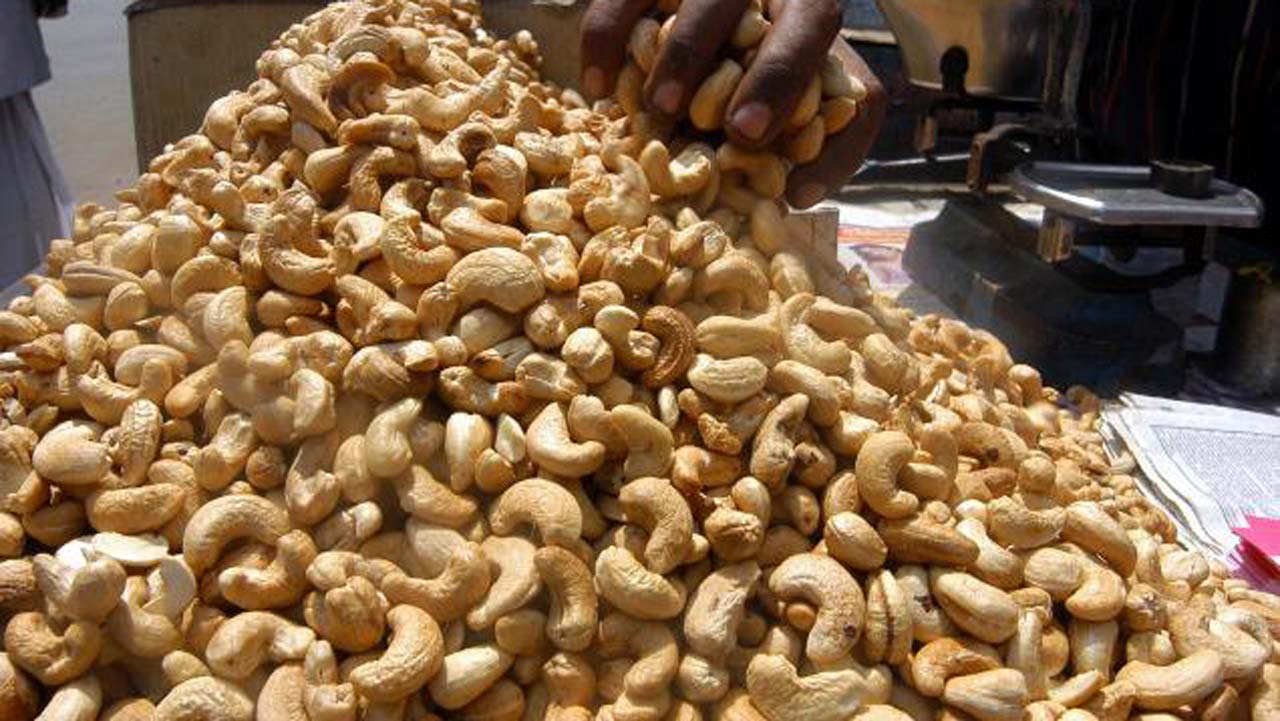
Agro-allied manufacturers source inputs such as maize, sorghum, cassava, millet, soya, cassava starch, cocoa powder, and palm olein, among others, locally from different parts of Nigeria.
Boko Haram insurgents ravage states such as Yobe and Borno where some of these crops come from. Fulani herdsmen and their cows have also destroyed farms in central part of Nigeria, notably Benue, which is the food basket of the country.
Data from the Manufacturers Association of Nigeria (MAN) show that local sourcing declined from 60.72 percent in the first half of 2017 to 56.6 percent in the second half of 2018.
Ruwase said the situation was hurting investor confidence, fuelling adverse global perception for the country.
“We implore the Federal Government to prioritise safety of lives and properties and provide adequate security across the country,” he said. “It is important to consider and review current security strategy to ensure safety of lives and property.”

He urged the federal government to complete ongoing infrastructure projects across the country to enable them have the desired impact on the economy.
“Government should expedite actions to complete infrastructure projects nationwide such as the Lagos-Ibadan expressway, Lagos-Ibadan rail project, Power Projects, the Second Niger Bridge, East-West Road, among others,”
Nigeria must spend three to five percent of its Gross Domestic Product on infrastructure, according to the Economic Recovery and Growth Plan. The spending is targeted at fixing major infrastructure that requires $3 trillion in the next 26 years.
“These projects would have significant positive impact on commercial activities and businesses as they reduce cost of doing business and boost productivity,” Ruwase said.
He said government revenue could barely fund the recurrent expenditure and debt service commitments, thereby putting the delivery of capital projects at risk, urging revenue generating agencies of the government to do better than their current level of performance and remittance.
“It is imperative to ensure improved independent revenue performance in 2019,” he said.
Ruwase stated that the creation of better investment environment would also attract more private capital and investment, which would invariably impact positively on government revenue and employment generation.
The president of the chamber said delays in budget implementation was having adverse effects on the economy.
“We have witnessed the adverse impact of delayed budget passage on the national output and real economic activities,” he said. “Such delays put budget implementation at risk.”
He said it affected the capacity of government to deliver infrastructure projects, payment to contractors, among others.
“We acknowledge the fact that the 2019 budget has been presented to the National Assembly. We appeal to the National Assembly to consider and approve the budget expeditiously to ensure optimal implementation. We also urge the government to encourage private capital in the delivery of infrastructure projects, through enabling reforms and public-private partnership.”
ODINAKA ANUDU