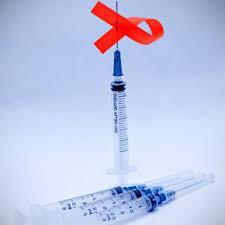
 As the world inches closer to the discovery of a vaccine for HIV, experts at the ongoing 2014 AIDS conference in Melbourne, Australia, have promised to push for access over profit and provide a hedge against the “economic agenda” of pharmaceuticals that mainly impact developing countries.
Wayne Koff, senior vice president and chief scientific officer, International AIDS Vaccine Initiative, who described vaccines as the only way to end the HIV epidemic, said the community of scientists working on the HIV vaccine would consider a “series of access agreements”.
“Until we know what the vaccine is, we are not going to know what is in the cost,” Koff noted at a media reception, assuring that commitment from stakeholders was being initiated to “ensure the cost is brought down to a level that is affordable for the individual and developing nations who bear the major impact”.
“That is the ultimate goal,” he said in reaction to queries from journalists on how the scientific community would be able to keep vaccines for HIV affordable and “out of the hands” of pharmaceuticals that would want to make it just another commercial venture.

Poor people in countries like Nigeria repeatedly suffer the implications of high cost of vaccines and medicines. Manipulated by multinational pharmaceutical companies who control research, many nations in the developing world end up at the “mercy of donor aid” in order to afford much-needed protection from diseases and viruses like HIV.
Nigeria’s HIV prevalence rate among adults aged 15-49 years was 3.1 percent as at 2012. The country has the second-largest number of people living with the virus and the highest burden of infant infection.
Experts insist that a vaccine has economic advantage over a cure, saying that though a cure would save an infected individual from AIDS and death, the patient would need to be on drugs for life, which has financial implications for the individual and the larger national economy. A vaccine, on the other hand, would mean protection from ever contracting the disease.
Michel Sidibe, executive director, UNAIDS, expressed optimism that deaths caused by AIDS would continue to decrease through the scale-up and effectiveness of existing HIV-AIDS treatments, reiterating the United Nation’s recent declaration of having a control on HIV by 2030.
However, Doctors without Borders note that high prices represent a major barrier to affordable access to both new HIV medicines and viral load testing, which is the best way to monitor if treatment is actually working.

“We want an HIV vaccine like a measles vaccine, where you have to give a vaccine once and be protected for life. In the years to come we are going to see HIV, TB, malaria vaccines; the reason is that we have the tools now that we never had before,” said Koff.
The Human Immunodeficiency Virus (HIV) causes AIDS which kills, and though the disease can be kept in check with a cocktail of drugs known as Anti-Retroviral Therapy (ART), a vaccine would simply prevent people from ever contracting the disease.
AMETO AKPE, in Melbourne, Australia