



|
Getting your Trinity Audio player ready...
|
Most energy outlook for 2014 forecast crude oil prices to be slightly above $100 per barrel. With two months of the year gone, there are emerging hotspots that could drive crude oil prices further up to $150 per barrel or even beyond. Notwithstanding the surging shale oil boom in the United States, there are sudden events from some oil producing countries that have the potential to totally rattle the crude oil market and dilute whatever impact coming from shale oil.
The six hotspots identified by BusinessDay West Africa Energy that could drive crude prices to $150 per barrel include Nigeria, Angola, Venezuela, Iraq, Libya and South Sudan. Collectively, they account for about 9 million barrels of oil per day, which is quite a significant volume that can create huge instability if removed from the global crude oil supply. Even though it may not be the entire volume that will go offline in the event situations deteriorate in the countries, what would be lost will be enough to rattle crude oil prices.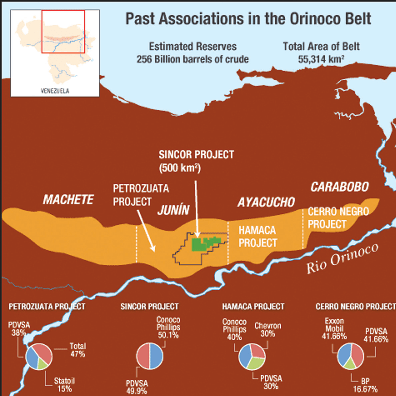
Nigeria
Oil theft and pipeline vandalism continues in Nigeria. The latest incident is the Shell’s Nembe Creek Trunkline pipeline which thieves drilled holes into in order to siphon crude oil. While the amount of crude lost remains unclear, Shell was forced to close the pipeline down to repair the holes. In December 2010, Shell had replaced the pipeline for $1.1 billion. The pipeline transports about 150,000 barrels per day. An increased wave of such pipeline vandalism in addition to the political uncertainty in the run-up to 2015 elections in Nigeria is capable of sending crude oil prices skywards.

Angola
With all the promises that Angola hold as an emerging oil giant, increased piracy could dampen the optimism and spike crude oil prices in the international market. Liberian-flagged tanker, MT Kerala, owned by Greece-based Dynacom Tankers Management was hijacked on January 18, 2014 by pirates offshore Angola. Even though the Angolan navy’s statement contradicts the Greek owners of the tanker that a large quantity of its cargo was stolen, the incident however sends bad signal to the energy community.
Piracy off the coast of West Africa has jumped by a third in 2013, comprising 19 percent of the attacks worldwide, according to the International Maritime Bureau (IMB). In November 2013, a report by the United Nations and World Bank showed that pirates operating off the Horn of Africa had netted over $400 million in ransom money between 2005 and 2012.
Venezuela
The country holds the largest oil reserves in the world but mismanagement and corruption have dogged its state-owned oil company Petróleos de Venezuela (PDVSA). Its treasury was used for social programs by the late President Hugo Chavez. Right now, deteriorating security and shortages of basic goods like toilet paper and cooking oil led to intense protest in mid-February 2014.

By late 2013, Venezuela was pumping 2.4 million barrels per day and further escalation of violence will impact Venezuela’s oil production negatively putting over 2 million barrels per day of global production,
including 800,000 barrels per day of exports to the US in jeopardy.
Iraq
With the gradual restoration of oil production after the demise of Saddam Hussien, Iraq is becoming a major oil player again. However, the country is descending into chaos once more. In 2013, over 9,000 people were killed in violent activities. On February 18 2014 alone, at least 49 people were killed in a series of car bombs in and around Baghdad.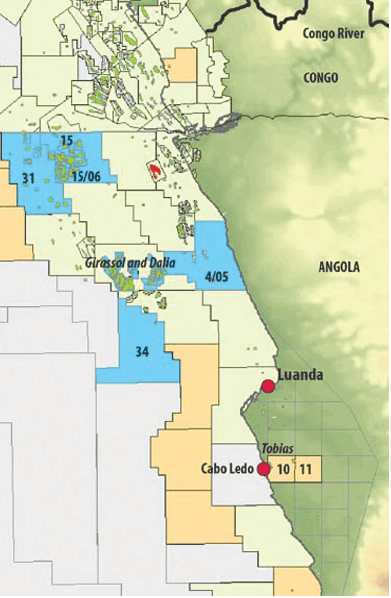
Oil exports were down to 2.2 million barrels per day in January 2014 from 2.34 million bpd a month before. The Iraqi-Turkish pipeline which pumps on average 250,000 barrels per day was blown up 54 times in 2013 which translates to an average of once a week. Security is not improving yet. In addition, the non-resolution of its conflict with Kudistan, which is moving to export oil on its own terms to Turkey all add up to uncertainties that could create crude oil price spike.
Libya
Libya made significant progress in 2012 after the 2011 anti-Gaddafi revolution knocked off its 1.8 million barrels per day offline. However, militias, which hold great power in the country, have seized oil fields in the east. Disputes with the national government cut off the flow of oil and production for January 2014 was only half a million barrels per day. The outlook is frightening given that in the middle of February, two militias called on the parliament to step down snowballing into a political crisis that may unnerve crude oil prices.
South Sudan
Rebels in South Sudan in renewed violence attacked Malakal on February 18 2014, the capital of the country’s largest oil producing state, Upper Nile State shattering the fragile ceasefire, which threatens to cut off oil exports. Even though South Sudan has not turned its vast reserves into meaningful production, the estimated 240,000 barrels per day the country produce is already in jeopardy.




