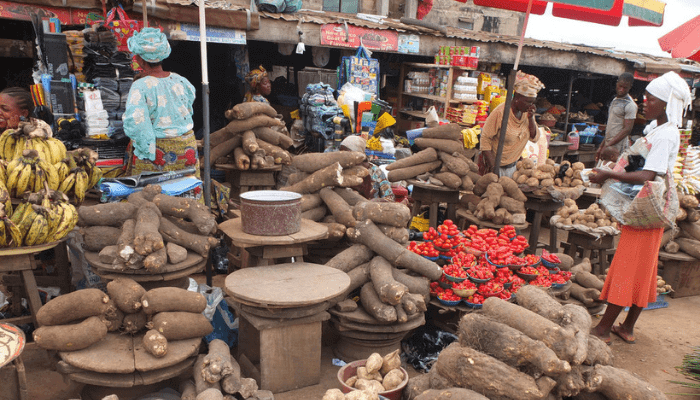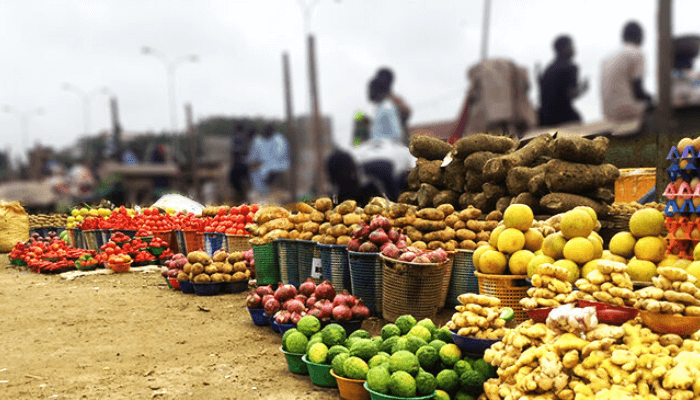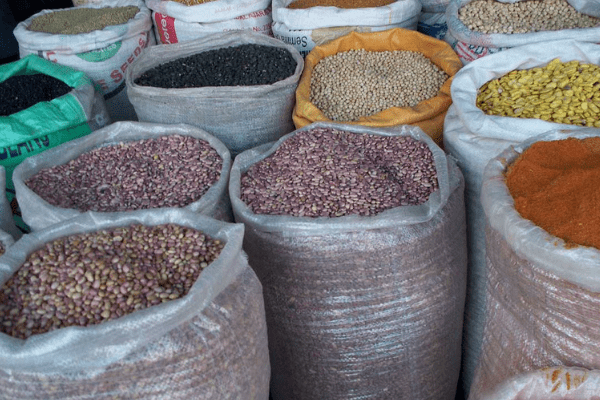
The first half of 2019 is likely to see staple and export crops such as rice, yam, cocoa beans and others trade within moderate price region, accompanied by high volumes of demand, according to the projections of Ayodeji Balogun, AFEX country manager.
Commodities like maize and soybeans began 2018 on a softer note at an average price of N94.67 and N133.31, respectively, per kilogramme but ended the first half higher at N101.95 and N181.78. Paddy rice made an exception on the AFEX commodity price report by ending lower at N125.88 per kilogramme after beginning at N133.20.
Generally, Nigeria’s foremost agricultural commodities e-trading platform, AFEX Commodities Exchange Limited, traded over 40,000 metric tons of agric commodities and injected inputs worth $3.8 million into farming activities across eight states during the 2018 wet season farming.
The financial support, which came as an offshoot of partnerships with corporate clients including LAPO Microfinance Bank, Dangote Rice, Thrive Agric and Farmcrowdy, among others, enabled over 20,000 farmers to access alternative financing to boost their productivity and yield.
The Exchange has also kicked off input disbursement for the 2019 dry season input programme in Kebbi State, with plans afoot for Sokoto, Zamfara, Kano and Jigawa.
Its target is to reach an additional 10,000 farmers for the dry season to shore up the total number of recipients for the 2018 period.
Balogun said trading of agricultural commodities recorded some improvement in 2018 as the platform expanded the aggregation and trading of cocoa.
It is poised to ramp up the volume of trading under its partnership with Binkabi and Sterling Bank to incorporate blockchain technology in solving the challenge of financing while facilitating international trade.
Through it, farmers would now be linked directly to consumers and retailers, creating security for off-taking and minimising post-harvest losses.
The blockchain technology is also expected to solve the issue of lack of price transparency in the supply chain, helping farmers obtain fair prices for their produce and leading to increased income.

“The platform will bring price discovery as buyers and sellers will be able to trade and settle their transactions remotely. It will also allow both retail and institutional investors to be able to invest in Agriculture through the exchange.” Balogun said.
In the absence of a national commodity exchange equipped with adequate funding to build technical capacity and address gaps in infrastructure and institutional frameworks to strengthen the supply side of the market, AFEX has stepped in with the creation of trading terminals for processors, traders and farmers to exchange value.
Low volume of cultivated agricultural commodities and dearth of financial support for rural farming are some of the major limitations for farmers to trade directly with commercial consumers but these barriers are being mitigated through AFEX’s combination of different small transactions to cater for large purchase orders.
Balogun looking at how government can derive more substantial outcome from its diversification efforts into agriculture underscored the need for a linkage between various government interventions to give way for a centralized platform that will ensure efficient delivery and also allow it to leverage private capital.
With plans to launch a Food Security Fund that will provide liquidity to players and open the exchange to investors interested in the cash market, he envisages that the firm would be able to support the government with interventions like the Anchor Borrowers Programme (ABP) in the near future.