The Lagos Chamber of Commerce and Industry (LCCI) says the performance of the oil and gas sector remains a critical factor that will shape the outlook of the economy in 2019.
In its review of 2018 and projection for 2019, the chamber, in a statement signed by Muda Yusuf, director-general of the chamber, says given the challenging economic conditions, key policy reforms will be imperative to support and sustain macroeconomic stability.
“These include, among others, a foreign exchange management framework that reflects the market fundamentals, the acceleration of the economic diversification agenda, normalisation of Lagos ports environment, the oil and gas sector reform, especially the petroleum industry bill; reduction in the cost of governance at all levels; improvements in the domestic revenue (particularly independent revenue) to reduce volatilities of government revenues, among others,” the chamber says.
READ ALSO: LCCI becomes first chamber in W/Africa to be ISO certified

The chamber explains that stock market realities fell short of LCCI’s projections expectation for 2018.
It points out that the implementation of policy reforms such as the Investors & Exporters FX window, increased dollar liquidity and moderated rate of inflation failed to keep the equity market in green.
It stresses that in 2018, the agriculture sector was hit by security crisis between farmers and herdsmen, including challenges of land documentation and perfection of titles, adding that there was rigorous process involved in accessing intervention funds from Bank of Industry and Bank of Agriculture. Cost of funds in the commercial banks cannot support farming activities, it says.
It points out that there were variations in the price of fertilizer, with the Federal Government announcing a price of N5,500 per bag, while the prevailing cost in the market was about N7,500.
“The Automotive Policy continues to be a major source of distortions and worry to majority of the stakeholders in the sector. An urgent review of the policy is imperative to correct distortions in the automobile market, ensure a level playing field, reduce cost of vehicles to citizens and businesses and ultimately bring down transportation cost,” the statement says.

Exporters suffered huge losses as a result of the Apapa gridlock, the chamber says, adding that many contractual obligations could not be met as export products went bad because of the long waiting period to access the ports.
“There were also reports of flagrant extortions by security agencies managing the traffic on the Apapa corridor,” the statement explains.
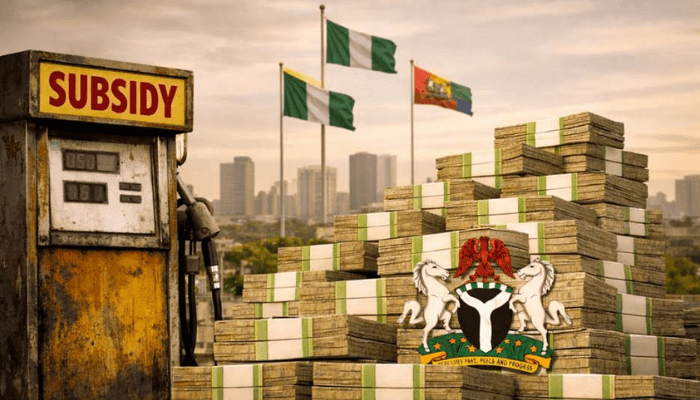
“Petroleum subsidy debts and non-payment of interest rate and exchange rate differentials to oil marketers is affecting the ability of the oil marketers to meet up with their financial obligations with the banks. This is also having a multiplier effect on the revenue of the banks/lenders. It also has implications for the stability of the banking system and the growth of non-performing loans in the financial system.”
The chamber says that poor patronage of made-in-Nigeria products led to high inventory build-up, which forced manufacturers to reduce volume of production.
“FG plan to expand excise duty rates to essential products like soap and detergent; toilet papers, cleansing or facial tissue, and spaghetti/noodles should not happen. It would hurt the economy, lead to escalation of inflation and invariably hurt the consumers.”
ODINAKA ANUDU