Nigeria Centre for Disease Control (NCDC) has confirmed in its recent weekly epidemiology report that cholera, cerebrospinal meningitis outbreak records highest death among others in 2018.
The report, released yesterday, shows that cholera outbreak between week 1 and 49 (2018) confirmed 1,135 deaths (CFR, 2.3%) and 50,500 suspected cases with 934 laboratory confirmed from 244 local government areas in 30 states were reported compared with 3,695 suspected cases and 84 deaths (CFR, 2.3%) from 73 LGAs in 19 states during the same period in 2017.
The report states that cerebrospinal meningitis (CSM) confirmed that between weeks 1 and 49 (2018), 4,464 suspected meningitis cases with 318 laboratory confirmed and 360 deaths (CFR, 8.1%) from 299 LGAs (35 states) were reported compared with 9,939 suspected cases and 607 deaths (CFR, 6.1%) from 326 LGAs in 34 states during the same period in 2017.
Other outbreaks including Lassa fever, measles, and yellow fever were also reported.
The continued spread of these outbreaks across the country is due to suboptimal vaccination coverage in many Nigerian states of all cases reported with known vaccination status.
However, vaccination coverage is still too low in some states in the country to reach elimination, with the latest available figures on coverage, especially the cholera outbreak. “Nigeria is currently the most impacted country with some 90 percent of cholera cases, says the United Nations Children’s Fund (UNICEF).
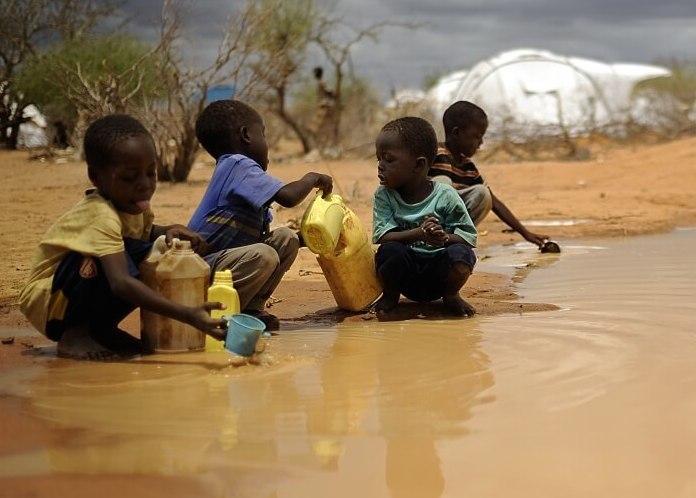
Cholera is a serious bacterial infection that causes severe watery diarrhoea and stomach cramps that can lead to dehydration and even death.
Chikwe Ihekweazu, CEO, NCDC, said, “Cholera cases are being treated at designated treatment centres in affected States. “We have ramped up our risk communications campaign so that people are better aware of the risk factors and ways to prevent cholera outbreaks.
“We are also strengthening the disease surveillance and laboratory systems so that cases are reported early, detected in time and response measures initiated.”
Recently, Zambia, Uganda, Malawi, South Sudan and Nigeria benefited from Africa’s largest cholera vaccination drive in history with more than two million people across the continent set to receive oral cholera vaccines (OCV) funded by Gavi, the Vaccine Alliance.
However, public health experts have harped on the need to check and invest heavily in tackling disease outbreaks, stressing that Nigeria must do more to improve the country’s infrastructure, logistics, commodities, technology, human resource and communication.

Muntaqa Umar-Sadiq, CEO, Private Sector Health Alliance of Nigeria (PHN), said Nigeria’s epidemic preparedness and response capacity highlight six priority gaps required to enhance detection, prevention and management of an outbreak.
“Priority gaps include infrastructure, logistics, commodities, technology, human resource and communication. With more outbreaks on the horizon, Nigeria can’t afford to repeat this cycle of uncertain priorities, wasted time and investments. We need strong and clear leadership; effective deployment of new innovations,” he said.
Doyin Odubanjo, chairman, Association of Public Health Physicians of Nigeria, Lagos chapter, lamented that despite the long experience with outbreaks in Nigeria, an understanding of the mechanism aiding its persistence in occurrence situations was still lacking.
“Continued efforts are needed to increase and sustain vaccination coverage to curb the spread of these outbreaks,” he said.
Nigeria is ready to implement the National Action Plan for Health Security with well-defined interventions/activities for 2018 – 2022. This will guide the government on resource allocation and management that will address these gaps.
“In working with this wide range of stakeholders, we are ensuring that Nigeria use a prioritised action plan for health security to improve the implementation of IHR and protect Nigerians from the threats of infectious diseases,” according to the agency.