|
Getting your Trinity Audio player ready...
|
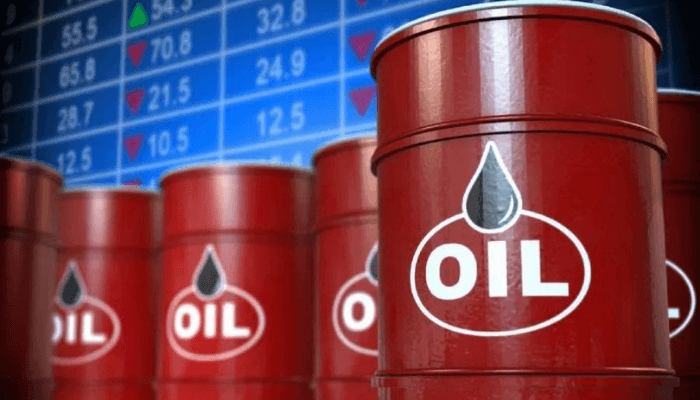
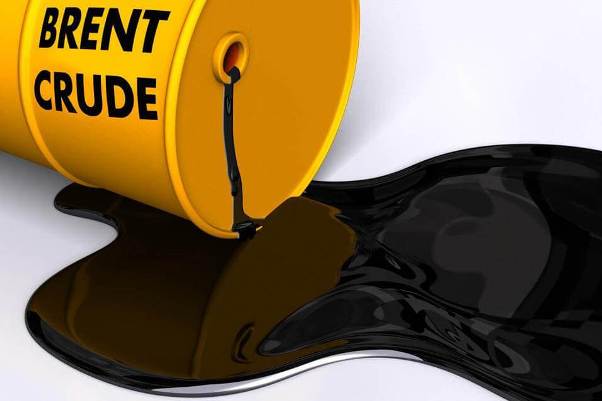
Brent crude the Benchmark for Nigeria’s crude oil increased t0 $54, posting its strongest daily gain in more than two years in a partial rebound from steep losses that pushed price to lows not seen since 2017.
After dropping on Boxing Day to $50, a difference of $10 below Nigeria’s $60 per barrel 2019 budget benchmark; Brent crude oil futures, the global benchmark, rose $4, or 7.9 percent, to $54.47.
Despite the relative increase in oil price, Nigeria’s 2019 oil revenue projection of N6.67 trillion still remain in jeopardy as the $54 is still below the government benchmark of $60.
“At our own estimation at Ecobank; Nigeria will still record a current account deficit at $55. The breakeven point to record a current account surplus is around $57 to $59,” Omotola Abimbola research analyst at Ecobank told BusinessDay. “It’s harsh reality for the economy.”

Crude has been caught up in wider market weakness as the U.S. government shutdown, higher U.S. interest rates and the U.S.-China trade dispute unnerved investors and exacerbated worries over global growth.
International Monetary Fund (IMF) economists expect global growth to slow to 2.5percent next year from 2.9 percent in 2018. Reduced economic activity means less demand for energy products.
The International Energy Agency has warned of “relatively weak” demand in Europe and developed Asian countries. It also flagged a “slowdown” in demand in India, Brazil and Argentina caused in part by weak currencies.
“The dominant factor on the demand side will be the economic outlook,” Robin Mills, CEO of energy consulting firm Qamar Energy told International news agency. “It will receive some support from lower oil prices but overall the global economy appears likely to slow.”
Organization of Petroleum Exporting Countries (OPEC) warned in its monthly bulletin that demand for its oil next year would be about 1 million barrels a day less than in 2018.

OPEC and its allies outside of the oil cartel pledged earlier this month to curb their output by 1.2 million barrels a day to bolster prices, but traders have yet to be convinced the cuts will be effective in shrinking global supply. The supply reductions that take effect in January come as Saudi Arabia and Russia have been pumping at record levels above 11 million bpd, with production from the US also surging to new highs.
OPEC’s share is 800,000 bpd, next year, and some ministers have even suggested taking further action as the cartel is also planning to release individual member quotas as part of an effort to engender confidence and shore up crude prices, which is a reversal of an earlier decision that sought to accommodate production from more volatile countries.
DIPO OLADEHINDE