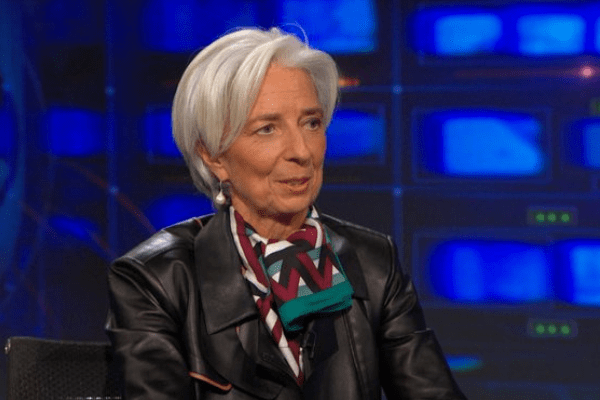
Christine Lagarde came to the defence of the US Federal Reserve at the IMF’s annual meetings in Bali on Thursday, calling its interest rate rises “legitimate and necessary” less than a day after President Donald Trump described them as “crazy”.
As stock markets continued to sell off in Asia, the IMF’s managing director called for global leaders not to break the system of international co-operation that she said has served the world well since the second world war, and rejected US complaints that China was engaged in competitive devaluations of the renminbi.
Ms Lagarde said the intervention was part of an effort to not forget the dangers of protectionism and highlight the benefits of global co-operation and international rules.
Nations should “de-escalate trade tensions, fix the system not break it, [create] the right policy mix and that includes inclusive growth”, she said. “Everyone is the brother or the sister of the other,” she added.

The IMF has been vocal in its support of the Federal Reserve’s efforts to normalise interest rates as inflationary pressure has grown in the US. But the fund has also warned that the consequences of the action was likely to be more volatile international monetary flows, including capital flight from some emerging economies and the potential for financial market volatility.
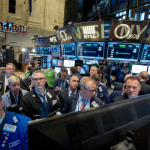
Speaking after Mr Trump blamed the US stock market drops on the Fed, saying that it had “gone crazy”, Ms Lagarde said: “It is fair to observe and all people are observing that the US equity market and stock markets in general have been extremely high.”
She added that some of the risks across economies in the world were “consequences of legitimate and necessary monetary tightening”, contradicting Mr Trump.
Ms Lagarde also had little sympathy for the US administration’s concerns that China was engaged in currency manipulation, deliberately devaluing the renminbi to offset the tariffs that the US has imposed on its imports from China.
“If you compare the position of the renminbi relative to the dollar, the story has a lot to do with the strength of the dollar,” Ms Lagarde said.

“If you compared the renminbi with a basket of currencies, there is a bit of depreciation, but not as much, and we have supported the move of China towards flexibility and we have encouraged the authorities to continue along this path going forward.”
She urged the US and China not to escalate their trade disputes into a currency war. “I sincerely hope that we don’t move in either the direction of a trade war or currency war. It would be detrimental on both accounts for all participants and there would also be lots of innocent bystanders,” she said.
Addressing specific US concerns about Chinese subsidies and potential theft of intellectual property, she recognised there were procedures at the WTO specifically designed to assess issues of state subsidies in trade. “Those issues need to be clarified and agreed, which is why we certainly advocate de-escalation and sitting around the table, so that we can improve the system as it is so that it works better for all and so that it is fairer in many ways,” she said.
Ms Lagarde also sought to address the Trump administration’s concerns that the fund might indirectly bail out China if it agreed a new lending programme to Pakistan, saying that the IMF would insist on “absolute transparency” and demand to know how exposed the state was ultimately to Chinese and other debt.
“We really need to understand the position of the debt burden in terms of sovereign and state-owned enterprises so that we can really appreciate the debt sustainability of that country when we are producing a programme,” she said.